Ashwagandha
Withania Somnifera

Medicinal Facts
Ashwagandha, known for its withanolides, particularly withaferin A and withanolide D, is a cornerstone of Ayurvedic medicine and a focus of modern adaptogen research. It sits at the intersection of traditional stress and vitality protocols and current studies on neuroprotection and hormonal balance. Withanolides are steroidal lactones that modulate stress response systems and may influence neuroendocrine pathways. Its adaptogenic properties are complemented by its potential to modulate inflammation and oxidative stress.
What it helps with
Stress and anxiety
Withanolides, particularly withaferin A, modulate the hypothalamic-pituitary-adrenal (HPA) axis by reducing cortisol levels and enhancing GABAergic signaling. This results in anxiolytic effects, as demonstrated in several human trials where ashwagandha extracts reduced stress-related symptoms and cortisol levels.
Cognitive function and neuroprotection
Withanolide D and other compounds enhance neuroplasticity by upregulating brain-derived neurotrophic factor (BDNF) and modulating NMDA receptor activity. Animal studies suggest these effects may improve memory and cognitive function, though human evidence is still emerging.
Thyroid function
Ashwagandha may support thyroid health by increasing serum levels of thyroid hormones T3 and T4, likely through its action on the pituitary gland. This has been observed in both animal models and small human studies, suggesting potential benefits for hypothyroid conditions.
Inflammation and immune modulation
Withaferin A inhibits NF-kB and COX-2, reducing pro-inflammatory cytokines like TNF-alpha and IL-6. This anti-inflammatory action is supported by preclinical studies and traditional use for inflammatory conditions.
Muscle strength and recovery
Withanolides enhance muscle strength and recovery by modulating anabolic pathways and reducing exercise-induced muscle damage. Human trials have shown increased muscle mass and strength in subjects taking ashwagandha supplements.
Sexual health and fertility
Ashwagandha may improve male fertility by enhancing testosterone levels and sperm quality, likely through its antioxidant effects and modulation of reproductive hormones. Clinical studies have shown improvements in sperm count and motility.
Longevity and cellular aging
Withanolides may activate sirtuin pathways, particularly SIRT1, and enhance mitochondrial function via PGC-1a. These actions suggest a potential role in cellular longevity, though direct human evidence is limited to mechanistic insights and animal models.
Key active compounds
Withaferin A
A potent withanolide that modulates NF-kB and HSP90, contributing to its anti-inflammatory and anti-stress effects. It also shows promise in modulating cancer pathways in preclinical models.
Withanolide D
Enhances neuroplasticity and cognitive function by upregulating BDNF and modulating NMDA receptors. It is a key compound in ashwagandha's neuroprotective profile.
Withanone
Contributes to ashwagandha's antioxidant and anti-apoptotic effects, particularly in neuronal cells. It may synergize with other withanolides to enhance overall efficacy.
Sitoindosides
Steroidal lactones that enhance immune function and stress resilience, potentially modulating the HPA axis and inflammatory pathways.
Saponins
These compounds contribute to ashwagandha's adaptogenic properties by modulating stress response and enhancing immune function.
Alkaloids
Present in small amounts, these compounds may contribute to the plant's overall pharmacological profile, particularly in stress modulation.
What the research says
Research on ashwagandha spans traditional Ayurvedic uses and modern adaptogenic studies. Human trials have demonstrated its efficacy in reducing stress and anxiety, with significant cortisol reduction, highlighting withanolides like withaferin A as key players. Preclinical studies emphasize its neuroprotective and cognitive benefits, with withanolide D showing promise in enhancing BDNF and neuroplasticity. The primary limitation in ashwagandha research is the variability in withanolide content across different extracts, which can affect efficacy. Standardized extracts with known withanolide content are recommended to ensure consistent therapeutic outcomes.
Typical dosage
For capsules, a typical dose is 300-500 mg of standardized extract taken once or twice daily. As a powder, 1-2 teaspoons can be mixed with warm milk or water, taken once daily. Tinctures are usually taken in doses of 2-4 ml, 2-3 times per day. For tea, steep 1 teaspoon of dried root in hot water for 10 minutes, consumed 1-2 times daily. Always start with a lower dose to assess tolerance.
About Ashwagandha
Traditional Use
Preparations & Dosage
Preparations
- Tea / Infusion: Boil 1 teaspoon of dried ashwagandha root in 2 cups of water. Simmer for 10-15 minutes, strain, and serve warm. Add honey or lemon for taste if desired.
- Capsule: Take 300-500 mg of standardized ashwagandha extract per capsule. Consume with water, preferably after meals.
- Powder: Mix 1-2 teaspoons of ashwagandha powder with warm milk or water. Stir well and drink immediately.
- Tincture: Use 2-4 ml of ashwagandha tincture, diluted in a small amount of water or juice. Take 2-3 times daily.
Interactions & Warnings
Use with caution
Ashwagandha is generally safe for most people when used as directed, but it can cause gastrointestinal upset in some individuals. Pregnant and breastfeeding women should avoid it, as well as those with autoimmune diseases, as it may exacerbate symptoms. It may interact with sedatives, thyroid medications, and immunosuppressants.
Herb Interactions
Combining ashwagandha with valerian may enhance sedative effects, potentially leading to excessive drowsiness or sedation.
Community Plants
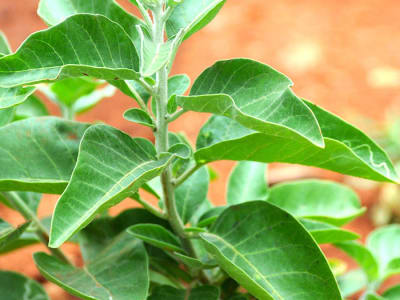
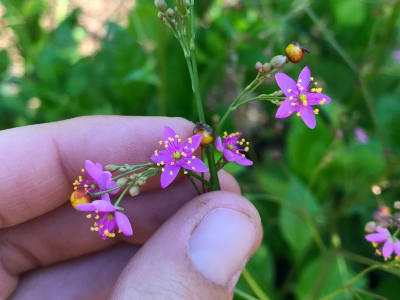
Real plants of this species grown and shared by the MyFloralVault community.
More in Energy & Vitality





Was this helpful?
0 · 0
Care Guide Available
Learn how to grow and care for Ashwagandha at home