Japanese Hops
Humulus Japonicus
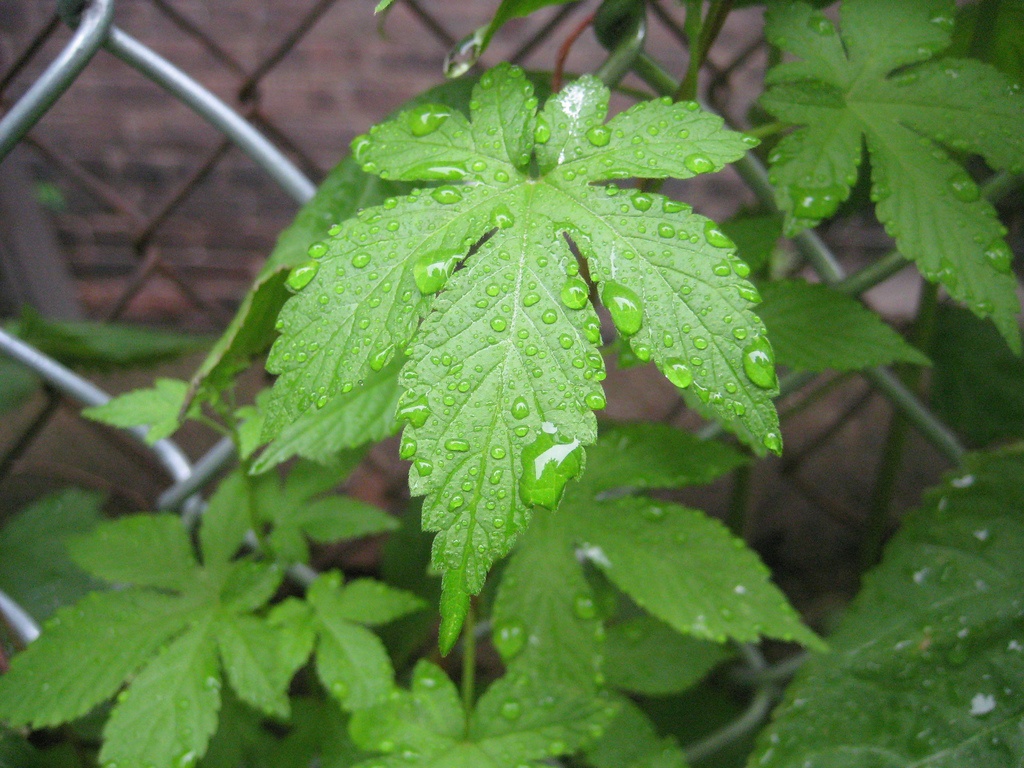
Medicinal Facts
Humulus japonicus, or Japanese hops, is rich in bioactive flavonoids and terpenes, notably humulone and lupulone, which are pivotal in its medicinal applications. It sits at the intersection of traditional Asian medicine, where it has been used for its anti-inflammatory and diuretic properties, and modern pharmacological research focusing on its potential as an antimicrobial and anti-cancer agent. The plant's rapid growth and invasive nature also make it a subject of ecological studies, which explore its impact on local ecosystems.
What it helps with
Inflammation
Humulone and lupulone, the primary bitter acids in Humulus japonicus, inhibit the NF-kB pathway, reducing the production of pro-inflammatory cytokines such as TNF-a and IL-6. This mechanism is supported by in vitro studies and aligns with traditional uses for inflammatory conditions.
Antimicrobial activity
The terpenes in Japanese hops, particularly humulone, exhibit antimicrobial properties by disrupting bacterial cell walls and inhibiting biofilm formation. These effects have been documented in vitro against a range of Gram-positive bacteria, suggesting potential for topical or internal use.
Cancer research
Humulone and lupulone have shown the ability to induce apoptosis in cancer cells by modulating the STAT3 signaling pathway. Preclinical studies indicate these compounds may inhibit tumor growth, though human trials are needed to confirm efficacy.
Diuretic effects
Traditionally used as a diuretic, Japanese hops increase urine production by influencing renal prostaglandin pathways. This effect has been observed in animal studies, supporting its use in managing fluid retention.
Anxiety and mood
Flavonoids in Humulus japonicus may modulate GABA-A receptors, promoting anxiolytic effects. While this is primarily supported by animal models, it suggests potential for mood regulation.
Cardiovascular health
The plant's flavonoids, including xanthohumol, have been shown to enhance endothelial nitric oxide synthase (eNOS) activity, improving vasodilation and potentially lowering blood pressure. Preliminary studies in animals support these cardiovascular benefits.
Allergy relief
Compounds in Japanese hops may inhibit histamine release from mast cells by modulating the phospholipase A2 pathway. This mechanism is primarily supported by in vitro studies, indicating potential for managing allergic reactions.
Key active compounds
Humulone
A bitter acid with anti-inflammatory and antimicrobial properties, it inhibits NF-kB and disrupts bacterial cell walls. Its bioavailability is enhanced when consumed with fatty foods.
Lupulone
Another bitter acid that works synergistically with humulone to inhibit inflammation and promote apoptosis in cancer cells. It also shows promise in antimicrobial applications.
Xanthohumol
A prenylated flavonoid with antioxidant and cardiovascular benefits, it activates eNOS and has been studied for its protective effects on blood vessels.
Terpenes
These volatile compounds contribute to the plant's antimicrobial activity and may enhance the absorption of other active compounds.
Flavonoids
A broad class of polyphenolic compounds that modulate GABA-A receptors and provide antioxidant effects, supporting mood and reducing oxidative stress.
Essential oils
Comprising various terpenes, these oils enhance the plant's antimicrobial profile and may aid in respiratory conditions when inhaled.
What the research says
Research on Humulus japonicus is primarily preclinical, with a strong focus on its anti-inflammatory and antimicrobial properties. Humulone and lupulone have been extensively studied in vitro for their ability to inhibit NF-kB and disrupt bacterial biofilms, with animal studies supporting their diuretic and anti-cancer potential. The main limitation in translating these findings to human use is the lack of clinical trials, compounded by challenges in standardizing extract formulations. Efforts to improve bioavailability through dietary fat co-administration or encapsulation techniques are ongoing, aiming to enhance the therapeutic potential of these compounds.
Typical dosage
For tea or infusion, use 1-2 teaspoons of dried leaves per cup of boiling water, steep for 10-15 minutes, and consume up to three times daily. For tinctures, a typical dose is 1-2 ml taken up to three times a day. Capsules should be taken according to the manufacturer's instructions, usually 500 mg once or twice daily. Always start with the lowest dose to assess tolerance.
About Japanese Hops
Traditional Use
Preparations & Dosage
Preparations
- Tea / Infusion: Use 1-2 teaspoons of dried Humulus japonicus leaves per cup of boiling water. Steep for 10-15 minutes, strain, and serve. Add honey or lemon for flavor if desired.
- Tincture: Use a dropper to measure 1-2 ml of tincture and mix with water or juice. Consume up to three times daily.
- Poultice: Crush fresh leaves and apply directly to the affected area. Cover with a clean cloth and leave for 20-30 minutes.
Interactions & Warnings
Use with caution
Humulus japonicus may cause skin irritation in sensitive individuals, especially when handling the plant directly. Pregnant or breastfeeding women should avoid its use due to insufficient safety data. It may interact with sedatives and other medications affecting the central nervous system.
Herb Interactions
Combined sedative effects may enhance drowsiness or sedation.
Community Plants
Real plants of this species grown and shared by the MyFloralVault community.

More in Pain & Inflammation






Was this helpful?
0 · 0
Care guides for related plants
Care Guide Available
Learn how to grow and care for Japanese Hops at home