Irish Sea Moss
Chondrus Crispus
Medicinal Facts
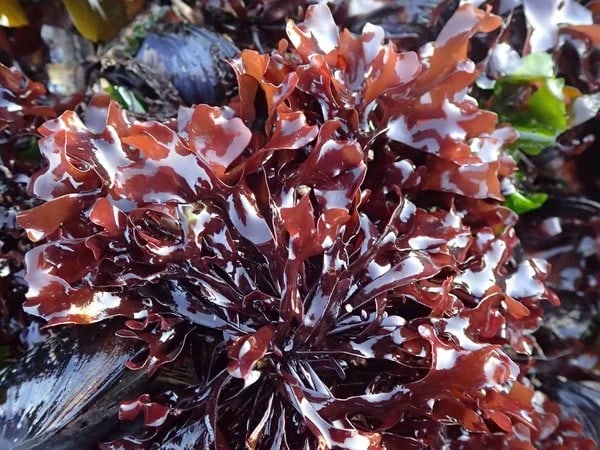
Chondrus crispus, commonly known as Irish Sea Moss, is a red algae rich in carrageenans, sulfated polysaccharides that exhibit notable immunomodulatory and antiviral properties. It stands at the intersection of traditional Irish and Caribbean folk medicine, where it is used for respiratory and digestive health, and modern research into marine-derived bioactive compounds. Its mucilaginous texture is due to its polysaccharide content, which also underpins its use in soothing mucous membranes and potential prebiotic effects.
What it helps with
Respiratory health
Carrageenans in Chondrus crispus may help soothe mucous membranes in the respiratory tract by forming a protective film. This traditional use is supported by the polysaccharides' ability to modulate inflammatory pathways, potentially involving the downregulation of pro-inflammatory cytokines such as IL-1 and TNF-alpha. Evidence is primarily from traditional use and in vitro studies.
Digestive health
The mucilaginous polysaccharides in Irish Sea Moss, particularly carrageenans, can support digestive health by enhancing the mucosal barrier and acting as prebiotics. They may influence gut flora by promoting the growth of beneficial bacteria, as suggested by in vitro and animal studies. This aligns with its traditional use for soothing the digestive tract.
Immune modulation
Carrageenans are known to modulate immune responses by activating macrophages and enhancing the production of nitric oxide and cytokines like IL-6. This immunomodulatory action is primarily observed in preclinical models, suggesting potential benefits in bolstering the immune system.
Antiviral activity
Sulfated polysaccharides in Chondrus crispus, such as lambda-carrageenan, have shown antiviral properties by inhibiting viral entry and replication. They interfere with the binding of viruses to host cells, as evidenced in vitro against viruses like herpes simplex and influenza. This mechanism is an active area of research.
Skin health
Topically, Irish Sea Moss may support skin health due to its hydrating and anti-inflammatory properties. Carrageenans form a protective barrier on the skin, potentially reducing transepidermal water loss and soothing irritation. This use is supported by traditional applications and emerging cosmetic research.
Thyroid support
Rich in iodine, Chondrus crispus may support thyroid function by contributing to the synthesis of thyroid hormones. Iodine is crucial for the production of thyroxine (T4) and triiodothyronine (T3), and adequate intake is essential for maintaining metabolic balance. This is primarily based on nutritional content rather than direct clinical evidence.
Joint health
The anti-inflammatory properties of carrageenans may extend to joint health by reducing inflammation through the modulation of NF-kB and COX-2 pathways. This potential benefit is primarily supported by preclinical studies and aligns with the traditional use of seaweed for joint discomfort.
Key active compounds
Carrageenans
Sulfated polysaccharides that form gels in water, providing mucilaginous properties. They modulate immune responses and exhibit antiviral activity by interfering with viral binding to host cells.
Iodine
An essential micronutrient that supports thyroid hormone synthesis. It is crucial for metabolic regulation and is abundant in seaweeds like Chondrus crispus.
Fucoidan
A sulfated polysaccharide with potential antioxidant and anti-inflammatory effects. It may contribute to the overall health benefits of sea moss, particularly in immune modulation.
Beta-carotene
A precursor to vitamin A, providing antioxidant benefits. It helps protect cells from oxidative stress and supports skin health.
Vitamin C
An antioxidant that supports immune function and skin health. It aids in collagen synthesis and enhances the absorption of iron from plant-based foods.
Calcium
Essential for bone health and cellular signaling. Seaweeds like Chondrus crispus provide a plant-based source of calcium, which may support bone density.
Magnesium
A mineral involved in over 300 enzymatic reactions in the body. It supports muscle and nerve function, blood glucose control, and bone health.
What the research says
Research on Chondrus crispus focuses on its polysaccharides, particularly carrageenans, which have demonstrated immunomodulatory and antiviral properties in vitro. These compounds are the subject of preclinical studies exploring their potential to modulate immune responses and inhibit viral replication. Human evidence is limited, with most studies focusing on the nutritional and traditional uses of the algae. The main limitation remains the translation of in vitro and animal model findings to human health benefits, compounded by variability in bioactive compound concentrations. Standardization and bioavailability enhancement, such as through encapsulation or combination with other bioactives, are areas of ongoing research to optimize therapeutic potential.
Typical dosage
For gel preparations, consume 1-2 tablespoons per day, either directly or mixed into smoothies or foods. For powder form, 1-2 teaspoons daily is recommended, mixed with water or juice. Capsules typically contain 500 mg, with a suggested dosage of 1-2 capsules daily. Topically, apply a thin layer of gel to the skin as needed for moisturizing or soothing purposes.
About Irish Sea Moss
Traditional Use
Preparations & Dosage
Preparations
- Gel: Soak dried Sea Moss in water for 12-24 hours. Rinse thoroughly, then blend with fresh water until smooth. Store in a sealed container in the refrigerator.
- Powder: Dry Sea Moss thoroughly and grind into a fine powder using a blender or coffee grinder. Store in an airtight container.
- Smoothie: Blend 1-2 tablespoons of Sea Moss gel with your choice of fruits, vegetables, and liquid base until smooth. Serve immediately.
- Topical application: Apply a thin layer of Sea Moss gel directly to the skin. Leave on for 15-20 minutes before rinsing off with warm water.
Interactions & Warnings
Use with caution
Chondrus Crispus is generally safe for most people when used in moderate amounts. However, excessive consumption can lead to iodine toxicity, especially for individuals with thyroid disorders. Pregnant or breastfeeding women should consult a healthcare provider before use.
Herb Interactions
Both are high in iodine, and combining them can increase the risk of iodine overdose, potentially affecting thyroid function.
Community Plants
Real plants of this species grown and shared by the MyFloralVault community.

More in Digestive Health


Was this helpful?
0 · 0
Care Guide Available
Learn how to grow and care for Irish Sea Moss at home