Corn Smut
Ustilago Maydis
Medicinal Facts
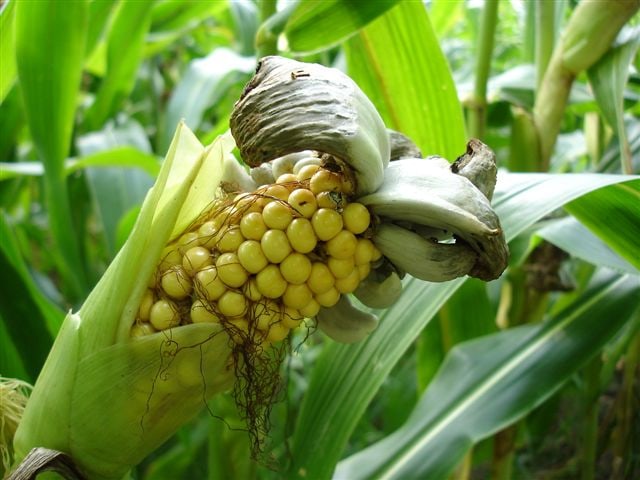
Ustilago maydis, commonly known as corn smut, is a fungal pathogen of maize that has been traditionally used in Mexican cuisine and medicine. It sits at the crossroads of ethnomycology, where it is valued for its unique flavor and potential health benefits, and modern research focused on its bioactive compounds like ustilagic acid and ustiloxin. These compounds are being studied for their potential anti-cancer and immunomodulatory effects. The exploration of Ustilago maydis is expanding beyond its culinary use to its pharmacological potential, particularly in modulating immune responses and inhibiting cancer cell proliferation.
What it helps with
Cancer cell proliferation
Ustilagic acid, isolated from Ustilago maydis, has been shown to inhibit cancer cell growth by interfering with the actin cytoskeleton and disrupting microtubule dynamics. This mechanism involves the inhibition of tubulin polymerization, which is critical for cell division. Preclinical studies, primarily in vitro, suggest potential applications in cancer therapy.
Immunomodulation
Polysaccharides from Ustilago maydis have demonstrated the ability to modulate immune responses by enhancing macrophage activity and stimulating cytokine production. This involves upregulation of NF-kB signaling pathways, which play a crucial role in immune response regulation. Evidence is largely from animal models and in vitro studies.
Antioxidant activity
The phenolic compounds in Ustilago maydis exhibit antioxidant properties by scavenging free radicals and upregulating the Nrf2 pathway, which enhances the expression of antioxidant enzymes like glutathione peroxidase. This activity is primarily supported by in vitro studies.
Antimicrobial effects
Ustiloxins, a group of cyclic peptides from Ustilago maydis, have shown antimicrobial activity against various bacterial strains by disrupting cell wall synthesis. This is achieved through the inhibition of peptidoglycan biosynthesis, with evidence stemming from in vitro assays.
Anti-inflammatory effects
Compounds such as ustilagic acid in Ustilago maydis can inhibit the production of pro-inflammatory cytokines like TNF-a and IL-6 by blocking the NF-kB pathway. This anti-inflammatory potential is being explored in preclinical models.
Neuroprotection
Research suggests that the antioxidant properties of Ustilago maydis may confer neuroprotective effects by reducing oxidative stress and inflammation in neuronal cells. This involves modulation of the Nrf2 pathway and is currently supported by animal studies.
Gastrointestinal health
Traditionally, Ustilago maydis has been used to support digestive health, potentially through its polysaccharides which may enhance gut microbiota composition and function. This traditional use is supported by preliminary in vitro research exploring its prebiotic potential.
Key active compounds
Ustilagic acid
A secondary metabolite with anti-cancer properties. It disrupts microtubule dynamics by inhibiting tubulin polymerization, crucial for cell division.
Ustiloxins
Cyclic peptides with antimicrobial activity. They inhibit peptidoglycan biosynthesis, disrupting bacterial cell wall synthesis.
Polysaccharides
Complex carbohydrates that modulate immune responses by enhancing macrophage activity and cytokine production, involving NF-kB signaling.
Phenolic compounds
Antioxidants that upregulate the Nrf2 pathway, enhancing the expression of antioxidant enzymes like glutathione peroxidase.
Ergosterol
A sterol component of fungal cell membranes, similar to cholesterol in animal cells, with potential cholesterol-lowering effects in humans.
Beta-glucans
Polysaccharides known for their immune-modulating effects, enhancing innate immune responses through receptor-mediated pathways.
What the research says
Research on Ustilago maydis is primarily focused on its bioactive compounds like ustilagic acid and ustiloxins, with strong preclinical evidence supporting their anti-cancer and antimicrobial activities. Studies are largely in vitro, with some animal models exploring its immunomodulatory and neuroprotective potential. The main limitation in advancing clinical applications is the need for more comprehensive human trials and the challenge of optimizing bioavailability. Strategies to enhance bioavailability, such as formulation improvements or delivery systems, are areas of active investigation.
Typical dosage
When consumed as a food, Ustilago maydis can be eaten in quantities similar to other mushrooms, typically around 100-200 grams per serving. For extracts or supplements, a standardized dose is not well established, but starting with small amounts, such as 500 mg per day, is advisable. Always consult with a healthcare provider before starting any new supplement regimen.
About Corn Smut
Traditional Use
Preparations & Dosage
Preparations
- Cooked: Harvest fresh Ustilago maydis galls from corn, clean thoroughly, and cook in a pan with onions, garlic, and spices. Serve as a filling for tacos or quesadillas.
- Extract: Create an extract by simmering dried Ustilago maydis in water for 20-30 minutes. Strain and store the liquid in a dark bottle.
- Capsule: Use commercially prepared Ustilago maydis powder and encapsulate in gelatin capsules using a capsule machine.
Interactions & Warnings
Use with caution
Ustilago maydis, or corn smut, should be consumed with caution as it is a fungus that grows on corn. People with mold allergies or compromised immune systems should avoid it. Ensure proper preparation to avoid any potential toxic effects.
Herb Interactions
Both may stimulate the immune system, potentially leading to overactivity in autoimmune conditions.
Community Plants
Real plants of this species grown and shared by the MyFloralVault community.

More in Digestive Health


Was this helpful?
0 · 0