Corn Smut
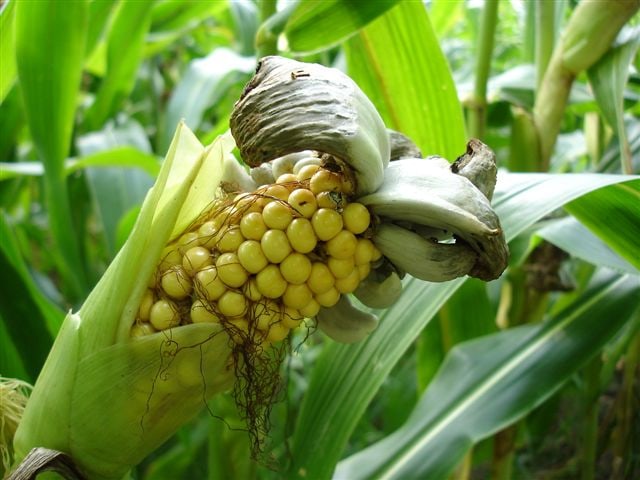
Description by @jominime
Try not to throw up!!!
dimorphic basidiomycete fungus (Ustilaginaceae — smut family) that parasitizes corn, inducing tumor-like galls on ears, stems, and leaves. the galls, initially grey-white then turning black as spores mature, are the prized product you eat.
native to Mesoamerica where it has been consumed since pre-Columbian times; named in Aztec Nahuatl, documented by Aztec healers, and continuously consumed in Mexico from those times to today.
huitlacoche is an excellent source of protein, dietary fiber, fatty acids, minerals, and vitamins. scientific evidence shows extracts or compounds have antioxidant, antimicrobial, anti-inflammatory, antimutagenic, antiplatelet, and dopaminergic properties.
dopaminergic properties confirmed. in an edible fungus this is rare and has potential relevance to mood, motivation, and possibly Parkinson's-adjacent neuroprotection.
the antioxidant compounds in huitlacoche survive and strengthen through the digestive process rather than breaking down, meaning antioxidant compounds improves during digestion rather than degrading.
the β-glucan fraction activates NK cells and macrophages through Dectin-1 receptor signaling. antitumor activity documented in vitro for multiple cancer cell lines.
the phenolic fraction reduces DNA mutagenesis. reduces the rate of DNA mutations from chemical mutagens.
huitlacoche inhibits platelet aggregation, reducing blood clot formation.
vaccine platform / biotechnology
an edible food as an oral vaccine delivery.
genetically engineered huitlacoche successfully delivered an oral cholera vaccine in animal studies. because it's already an established food, using it as an oral vaccine platform bypasses many regulatory and safety hurdles.
ustilospores mixed with oil used as medicament to soften and soothe baby's skin after irritation.
Mexico still eats it in quesadillas, and French chefs charge $40 for it.
Historically, Native American tribes used it to induce labor, and in homeopathy, it is used to manage heavy menstrual bleeding and symptoms of menopause.
In pre-. Hispanic times these were used to cure diseases of a spiritual nature such as the evil eye and witchcraft practices.
huitlacoche extracts remove heavy metals from contaminated water, are used to manufacture nanoparticles, control unwanted microorganisms in wine production, and produce biosurfactant compounds with industrial cleaning and emulsification applications.
airborne spores can trigger asthma in susceptible individuals. safe as food at normal consumption levels. the fresh galls are harvested before spore maturity — the black, fully sporulated form has different properties from the grey-white culinary stage.
Related Plants
Plant information is for educational purposes only.