Chokecherry
Prunus Virginiana
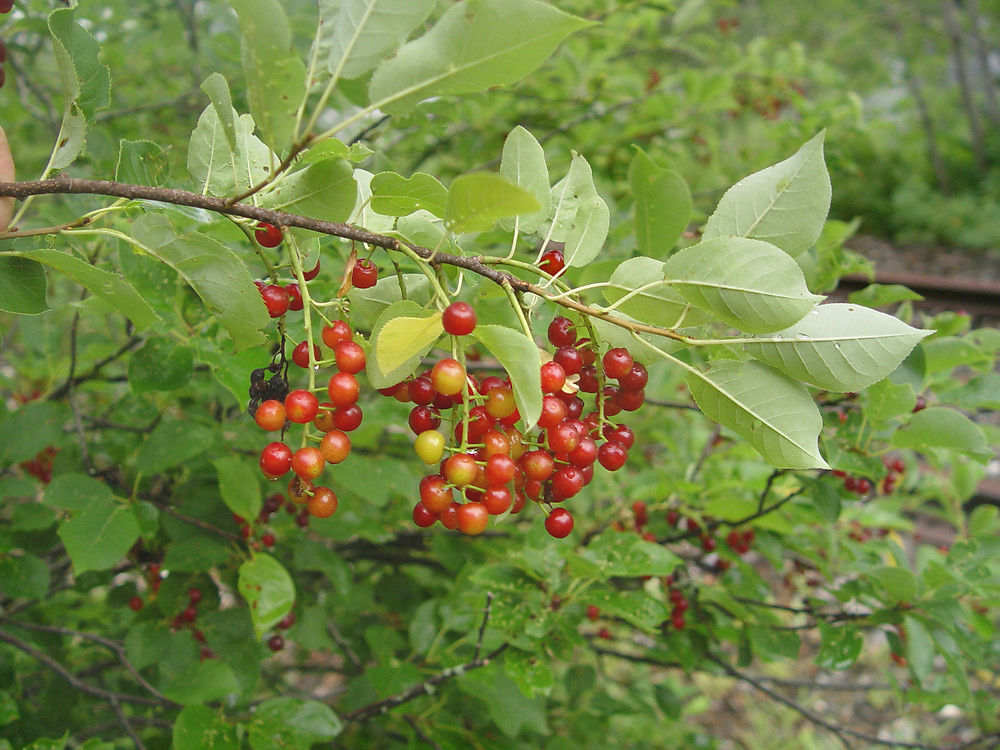
Medicinal Facts
Prunus virginiana, commonly known as chokecherry, is rich in cyanogenic glycosides, particularly prunasin, and anthocyanins, which contribute to its medicinal properties. It stands at the intersection of traditional Native American herbalism, where it is used for respiratory and digestive issues, and modern phytochemistry, which explores its antioxidant and anti-inflammatory potential. The presence of cyanogenic compounds necessitates careful preparation to avoid toxicity, a key consideration in its traditional and contemporary use.
What it helps with
Respiratory conditions
Prunasin, a cyanogenic glycoside in chokecherry, may exert a mild sedative effect on the respiratory system by releasing small amounts of hydrogen cyanide, which can act as a respiratory depressant. This mechanism is traditionally utilized to soothe coughs and ease breathing, although modern clinical evidence is limited.
Digestive health
Chokecherry has been traditionally used to address digestive issues, potentially due to its astringent properties from tannins, which can reduce gut inflammation and diarrhea. The anthocyanins may also contribute by modulating gut microbiota and reducing oxidative stress in the gastrointestinal tract. Evidence primarily comes from ethnobotanical sources and animal models.
Anti-inflammatory effects
The anthocyanins in chokecherry, such as cyanidin, inhibit the NF-kB pathway and reduce pro-inflammatory cytokines like TNF-a and IL-6. This action is supported by in vitro studies and suggests potential for managing inflammatory conditions, though human trials are sparse.
Antioxidant support
Chokecherry's anthocyanins and flavonoids scavenge free radicals and upregulate endogenous antioxidant enzymes via the Nrf2 pathway. This mechanism underlies its potential use in reducing oxidative stress, with supporting evidence from in vitro assays and animal studies.
Cardiovascular health
Anthocyanins in chokecherry may improve endothelial function by enhancing nitric oxide bioavailability and reducing oxidative stress, potentially benefiting blood pressure regulation. This is primarily supported by preclinical studies and aligns with broader research on anthocyanin-rich berries.
Antimicrobial activity
Chokecherry exhibits antimicrobial properties, likely due to its phenolic compounds, which disrupt microbial cell walls and inhibit enzyme activity. This has been demonstrated in vitro against a range of bacterial and fungal pathogens, though clinical applications are not well-documented.
Cancer-adjunct research
Preliminary studies suggest that chokecherry's anthocyanins may induce apoptosis and inhibit angiogenesis in cancer cell lines via modulation of the PI3K/Akt and MAPK pathways. This is an area of active research with promising in vitro results, but human data are lacking.
Key active compounds
Prunasin
A cyanogenic glycoside that releases hydrogen cyanide upon hydrolysis, potentially providing a mild sedative effect on the respiratory system. Its presence requires careful processing to ensure safety.
Cyanidin
An anthocyanin that exhibits strong antioxidant activity by scavenging free radicals and modulating the NF-kB pathway. It contributes to the anti-inflammatory and cardiovascular benefits of chokecherry.
Quercetin
A flavonoid that inhibits the release of histamines and reduces inflammation by modulating the NF-kB pathway. It also enhances the bioavailability of other phenolic compounds.
Tannins
Polyphenolic compounds that provide astringent properties, useful in reducing gut inflammation and diarrhea. They bind to proteins and other organic compounds, affecting their function.
Kaempferol
A flavonoid with antioxidant properties that modulates cellular signaling pathways such as PI3K/Akt, contributing to its potential anti-cancer effects.
Gallic acid
A phenolic acid that exhibits antimicrobial and antioxidant activities, contributing to the overall medicinal profile of chokecherry.
Ellagic acid
A polyphenol that may inhibit cancer cell proliferation by modulating the MAPK pathway and inducing apoptosis. It also contributes to the antioxidant capacity of the plant.
What the research says
Research on chokecherry focuses on its antioxidant and anti-inflammatory properties, largely attributed to its anthocyanins and flavonoids. In vitro and animal studies highlight its potential in modulating oxidative stress and inflammatory pathways, though human trials are limited. The strongest evidence exists for its antioxidant activity, primarily through the Nrf2 pathway, while its traditional uses for respiratory and digestive health are less substantiated in modern clinical settings. The main limitation is the presence of cyanogenic glycosides, which require careful preparation to avoid toxicity. This is addressed by traditional processing methods that detoxify the berries, ensuring safe consumption.
Typical dosage
For a tea or infusion, use 1-2 teaspoons of dried bark per cup of boiling water, steep for 10-15 minutes, and consume up to three times daily. For tinctures, a typical dose is 1-2 ml up to three times a day. Syrups made from chokecherry can be taken in doses of 1-2 tablespoons as needed for cough relief. Decoctions can be made by simmering the bark for 20-30 minutes and consumed similarly to tea. Always ensure proper preparation to avoid toxicity.
About Chokecherry
Traditional Use
Preparations & Dosage
Preparations
- Tea / Infusion: Use 1-2 teaspoons of dried chokecherry bark per cup of boiling water. Steep for 10-15 minutes, strain, and drink warm. Add honey or lemon for flavor if desired.
- Tincture: Combine 1 part dried bark with 5 parts alcohol (such as vodka) in a glass jar. Seal tightly and store in a cool, dark place for 4-6 weeks, shaking occasionally. Strain and store in a dark bottle.
- Syrup: Simmer 1 cup of chokecherry berries with 2 cups of water for 30 minutes. Strain and add 1 cup of honey. Simmer until thickened. Store in a sterilized bottle.
- Decoction: Simmer 1-2 tablespoons of dried bark in 2 cups of water for 20-30 minutes. Strain and drink warm.
Interactions & Warnings
Use with caution
Chokecherry contains cyanogenic compounds, particularly in the seeds and leaves, which can release cyanide when metabolized. It should be used with caution, and parts of the plant should not be consumed raw. Pregnant women and children should avoid using chokecherry preparations.
Herb Interactions
Combined sedative effects may enhance drowsiness.
Community Plants
Real plants of this species grown and shared by the MyFloralVault community.
More in Digestive Health


Was this helpful?
0 · 0