Ashitaba
Angelica Keiskei

Medicinal Facts
Angelica keiskei, commonly known as Ashitaba, is rich in chalcones such as xanthoangelol and 4-hydroxyderricin, which are central to its medicinal properties. It bridges the traditional Japanese Kampo medicine, where it is used for vitality and digestion, and modern research focusing on its anti-inflammatory and metabolic effects. Ashitaba's unique compounds interact with various signaling pathways, including AMPK and NF-kB, offering potential benefits for metabolic health and inflammation. Its broad spectrum of activity is complemented by its role in promoting longevity through sirtuin activation.
What it helps with
Metabolic syndrome
Xanthoangelol and 4-hydroxyderricin activate AMP-activated protein kinase (AMPK), which enhances glucose uptake and fatty acid oxidation. This action improves insulin sensitivity and reduces hepatic lipogenesis, as demonstrated in animal studies and preliminary human trials.
Longevity & cellular aging
Ashitaba's chalcones, particularly xanthoangelol, are shown to activate sirtuin 1 (SIRT1), a key regulator of cellular aging. This activation promotes mitochondrial biogenesis via PGC-1a and may enhance telomere maintenance, although human evidence is still emerging.
Chronic inflammation
The chalcones inhibit the NF-kB pathway, reducing the expression of pro-inflammatory cytokines such as TNF-a and IL-6. This mechanism has been observed in vitro and in animal models, suggesting potential benefits for inflammatory conditions.
Cardiovascular health
Ashitaba compounds enhance endothelial nitric oxide synthase (eNOS) activity, improving vasodilation and reducing blood pressure. Animal studies suggest these effects might translate into cardiovascular protection, though more human trials are needed.
Digestive health
Traditionally, Ashitaba is used to support digestion and liver health. Its chalcones stimulate bile secretion and protect hepatocytes, potentially through Nrf2-mediated antioxidant pathways, as seen in preclinical studies.
Neuroprotection
Ashitaba's compounds cross the blood-brain barrier and may reduce neuroinflammation. They are thought to enhance brain-derived neurotrophic factor (BDNF) levels, supporting cognitive health, although human data are limited.
Immune support
The immunomodulatory effects of Ashitaba are attributed to its ability to modulate NF-kB and enhance macrophage activity, as shown in vitro. This suggests a role in supporting immune function, though clinical evidence is sparse.
Key active compounds
Xanthoangelol
A chalcone that activates AMPK and SIRT1, influencing metabolic and longevity pathways. It also inhibits NF-kB, contributing to its anti-inflammatory effects.
4-Hydroxyderricin
Another chalcone with similar properties to xanthoangelol, enhancing AMPK activity and exhibiting strong anti-inflammatory actions through NF-kB inhibition.
Chlorogenic acid
A polyphenol that contributes to Ashitaba's antioxidant capacity by scavenging free radicals and modulating glucose metabolism.
Quercetin
A flavonoid that supports cardiovascular health by enhancing eNOS activity and reducing oxidative stress. It synergizes with other compounds for enhanced bioactivity.
Coumarins
Compounds that may contribute to Ashitaba's anticoagulant and vasodilatory effects, though their specific mechanisms in this context are less studied.
Polysaccharides
Water-soluble components with potential immunomodulatory effects, enhancing macrophage activation and cytokine production in preliminary studies.
What the research says
Research on Ashitaba focuses heavily on its metabolic and anti-inflammatory properties. Chalcones like xanthoangelol and 4-hydroxyderricin are central, with strong preclinical evidence supporting AMPK activation and NF-kB inhibition. Human studies are emerging, particularly in metabolic syndrome contexts, but remain limited. The main challenge is bioavailability, as chalcones are poorly absorbed. Strategies such as nanoparticle formulations and co-administration with bioenhancers are being explored to improve clinical efficacy.
Typical dosage
For tea or infusion, use 1-2 teaspoons of dried leaves per cup of boiling water, steep for 5-10 minutes, and consume up to three times daily. For tinctures, take 10-20 drops diluted in water or juice, up to three times a day. Capsules or powders should be taken according to the manufacturer's instructions, typically around 500 mg to 1 g per day. Fresh juice can be consumed in small amounts, about 30 ml, once daily.
About Ashitaba
Traditional Use
Preparations & Dosage
Preparations
- Tea / Infusion: Add 1-2 teaspoons of dried Ashitaba leaves to a cup of boiling water. Allow it to steep for 5-10 minutes. Strain and serve. Optionally, add honey or lemon for taste.
- Tincture: Combine fresh or dried Ashitaba leaves with alcohol (such as vodka) in a 1:5 ratio. Seal in a jar and store in a cool, dark place for 4-6 weeks, shaking occasionally. Strain and store in a dark glass bottle.
- Capsule: Use commercially prepared Ashitaba capsules. Follow the dosage instructions provided by the manufacturer, typically 500 mg to 1 g per day.
Interactions & Warnings
Use with caution
Angelica keiskei should be used with caution by individuals on blood-thinning medications due to its potential anticoagulant effects. Pregnant or breastfeeding women should avoid it unless advised by a healthcare professional.
Herb Interactions
Both have blood-thinning properties, which may increase bleeding risk when combined.
Community Plants
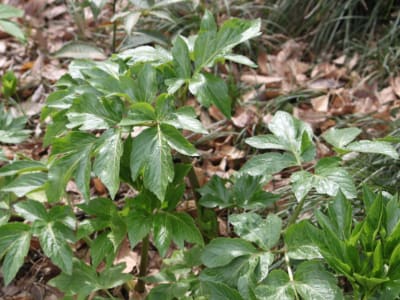
Real plants of this species grown and shared by the MyFloralVault community.
More in Digestive Health


Was this helpful?
0 · 0