Apricot
Prunus Armeniaca
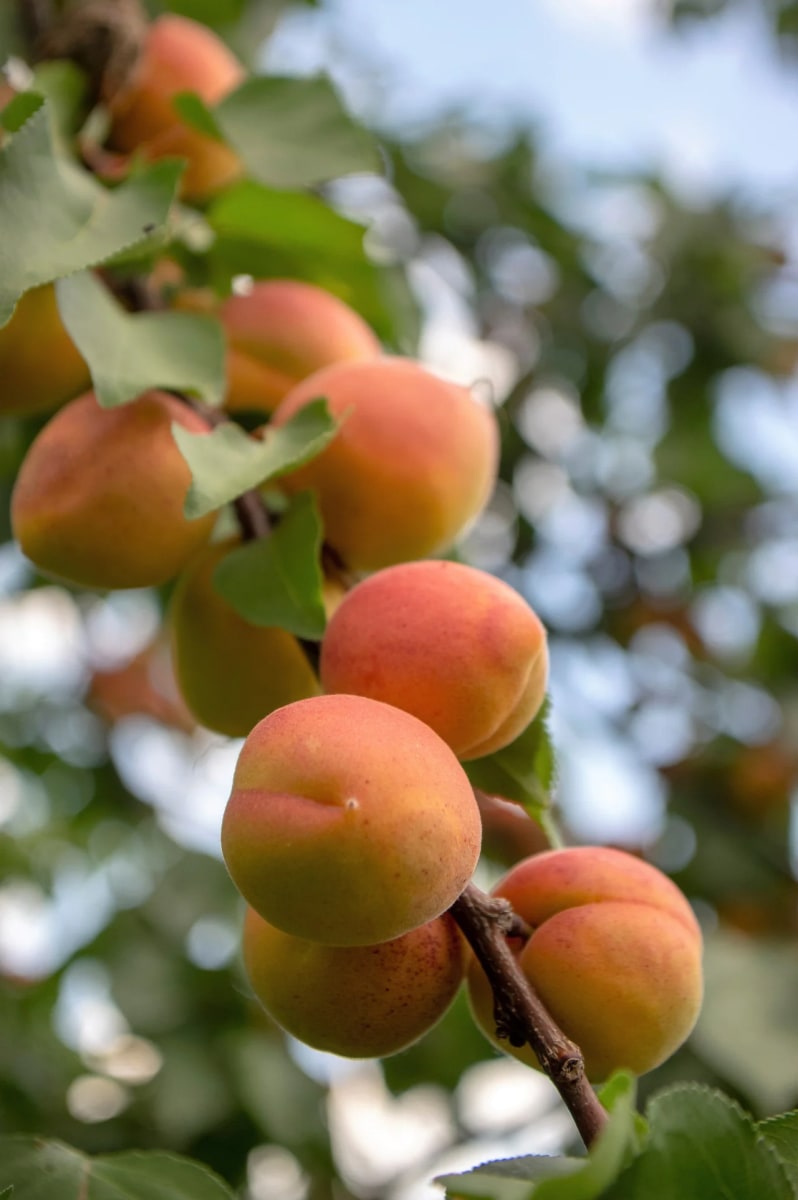
Medicinal Facts
Prunus armeniaca, commonly known as apricot, is a fruit-bearing plant rich in amygdalin, quercetin, and catechins. It inhabits the intersection of traditional Chinese medicine, where it is used for respiratory and digestive health, and contemporary nutraceutical research focused on its antioxidant and anti-inflammatory properties. Apricot kernels, in particular, are noted for their controversial amygdalin content, historically linked to cancer adjunctive protocols. The fruit's polyphenolic profile supports cardiovascular and metabolic health, while its seeds are scrutinized for both potential benefits and risks.
What it helps with
Respiratory health
In traditional Chinese medicine, apricot kernels are used to alleviate cough and asthma. Amygdalin, a cyanogenic glycoside, may exert antitussive effects by modulating the central nervous system's response to cough stimuli, though this is primarily based on traditional use rather than modern clinical trials.
Digestive health
Apricot is traditionally used to relieve constipation due to its high fiber content. Additionally, catechins in apricots may inhibit digestive enzymes such as alpha-amylase, slowing carbohydrate absorption and potentially benefiting glycemic control, though human trials are limited.
Cardiovascular health
Quercetin in apricots may improve endothelial function by enhancing nitric oxide (NO) bioavailability and inhibiting NADPH oxidase, which reduces oxidative stress. Small human studies suggest potential benefits in lowering blood pressure and improving lipid profiles.
Metabolic syndrome
The polyphenolic compounds in apricots, particularly catechins, activate AMP-activated protein kinase (AMPK), which enhances insulin sensitivity and reduces hepatic lipogenesis. Animal models support these effects, though human data are still emerging.
Skin health
Apricot oil, rich in oleic and linoleic acids, supports skin barrier function and hydration. The antioxidant activity of quercetin and catechins may protect against UV-induced oxidative damage, though clinical trials are sparse.
Longevity & cellular aging
Quercetin may activate sirtuin 1 (SIRT1), a key regulator of cellular aging processes, and enhance mitochondrial biogenesis through PGC-1a activation. These effects are primarily supported by in vitro and animal studies.
Cancer-adjunct research
Amygdalin is studied for its potential to induce apoptosis in cancer cells via cytochrome c release and caspase activation, though this is controversial due to its conversion to cyanide. Most evidence is preclinical, and its use remains debated in oncology.
Key active compounds
Amygdalin
A cyanogenic glycoside found in apricot kernels. It is metabolized to hydrogen cyanide, which has cytotoxic potential against cancer cells but poses toxicity risks. Its role remains controversial and is primarily historical.
Quercetin
A flavonoid with potent antioxidant properties. It modulates pathways such as NF-kB and Nrf2, inhibits lipid peroxidation, and enhances endothelial nitric oxide synthase (eNOS) activity.
Catechins
Polyphenolic compounds that inhibit digestive enzymes and activate AMPK. They contribute to metabolic benefits and have antioxidant properties that protect against oxidative stress.
Oleic acid
A monounsaturated fatty acid present in apricot oil. It enhances skin barrier function and has anti-inflammatory effects by modulating COX and LOX pathways.
Linoleic acid
An essential polyunsaturated fatty acid that supports skin health and hydration. It is involved in the synthesis of ceramides, crucial for maintaining skin barrier integrity.
Vitamin A (retinol)
Found in apricots, it supports vision and immune function. Retinol binds to nuclear receptors, modulating gene expression involved in cellular differentiation and proliferation.
Vitamin C (ascorbic acid)
A potent antioxidant that regenerates other antioxidants like vitamin E. It is involved in collagen synthesis and immune function, enhancing skin health and repair.
What the research says
Research on Prunus armeniaca predominantly focuses on its antioxidant and metabolic effects. Quercetin and catechins have the strongest human evidence, primarily in small trials examining cardiovascular and metabolic outcomes. Amygdalin remains controversial, with most studies limited to preclinical models due to safety concerns. The primary limitation in utilizing apricot compounds is the potential toxicity of amygdalin and the variable bioavailability of polyphenols. Strategies to enhance bioavailability include formulation with lipid carriers and co-administration with absorption enhancers like piperine.
Typical dosage
For apricot tea, use 1-2 teaspoons of dried apricot leaves per cup of boiling water, steep for 5-10 minutes, and consume up to 3 times daily. Apricot oil can be applied topically as needed for skin moisturizing. Dried apricots can be consumed as a snack, with a recommended serving size of 1/4 cup. Apricot seed consumption should be limited to 1-2 seeds per day due to potential toxicity.
About Apricot
Traditional Use
Preparations & Dosage
Preparations
- Tea / Infusion: Use 1-2 teaspoons of dried apricot leaves per cup of boiling water. Steep for 5-10 minutes, strain, and serve. Optionally, add honey or lemon for flavor.
- Tincture: Combine 1 part dried apricot leaves with 5 parts alcohol (such as vodka) in a glass jar. Seal and store in a cool, dark place for 4-6 weeks, shaking occasionally. Strain and store in a dark glass bottle.
- Oil: Apply apricot kernel oil directly to the skin as needed. For best results, use after showering on damp skin to lock in moisture.
- Dried fruit: Consume dried apricots as a snack or add to cereals and salads. Ensure they are sulfite-free if sensitive to preservatives.
Interactions & Warnings
Use with caution
Apricot seeds contain amygdalin, which can convert to cyanide in the body and may be toxic in large amounts. Pregnant and breastfeeding women should avoid consuming apricot seeds. Individuals with nut allergies should exercise caution.
Herb Interactions
Both may have blood-thinning effects, increasing the risk of bleeding when combined.
Community Plants
Real plants of this species grown and shared by the MyFloralVault community.

More in Digestive Health


Was this helpful?
0 · 0