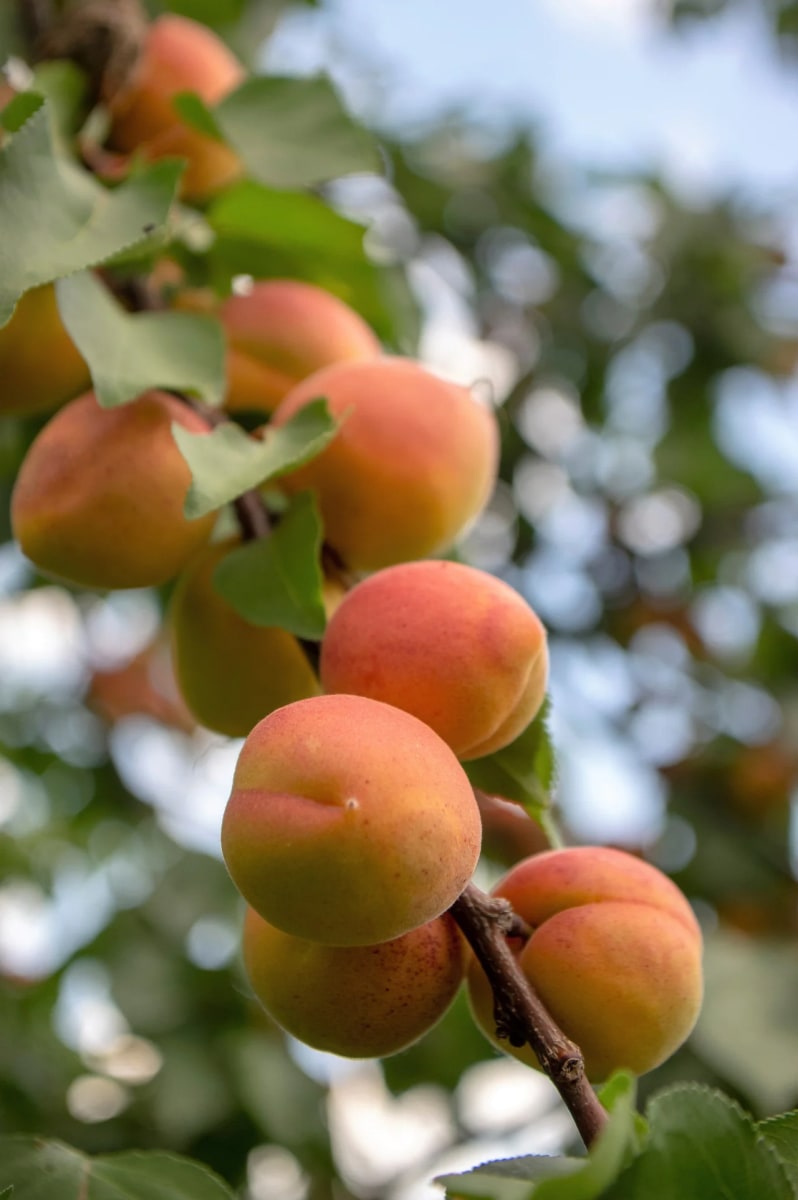
Description by @jominime
Cyanide poisoning risk: Amygdalin in raw bitter apricot kernels releases hydrogen cyanide on contact with the β-glucosidase enzyme present in the kernel itself (activated by chewing or stomach acid).
Symptoms of cyanide poisoning: nausea, vomiting, headache, dizziness, mental confusion, bluish skin discoloration, drooping eyelids, nerve dysfunction, hypotension, inadequate oxygen supply to tissues, coma, and death.
bitter kernels must be processed (boiled, decocted, or briefly toasted) before use to reduce cyanogenic toxicity. don't eat a lot of the kernels raw.
TCM clinical dose for bitter kernels: 5-10g of properly processed (boiled, briefly toasted, or decocted) kernels per day.
Hunza traditional intake: removing the tips of the seeds (where amygdalin concentration is highest) and limiting to about 5 sweet kernels per day.
Raw bitter kernels: as few as 10-30 raw kernels can be fatal in adults; 5-10 can kill a child.
Bitter kernels: the medicinal form, high amygdalin, requires processing and dose control, never eat raw. dangerous without processing. Bitter kernels can have amygdalin concentrations 20-40x higher than sweet kernels. Taste is intensely bitter and almond-like with a chemical edge. The EFSA (European Food Safety Authority) set the acute reference dose at 25 micrograms cyanide per kg body weight — for a 70kg adult that's about 1.75mg HCN, which translates to roughly 1-2 raw bitter kernels for safety. Three raw bitter kernels can exceed safe limits for an adult, ten can be dangerous, and twenty-plus has been documented as fatal.
Bitter-kerneled varieties: wild apricots and the Chinese medicinal cultivars (P. armeniaca var. ansu, P. sibirica, P. mandshurica).
Sweet kernels: lower amygdalin, eating 5-10 sweet kernels a day is within established food safety margins for most adults. They taste like almonds (sweet, mild, slightly nutty) and are sold as "sweet apricot kernels" or "apricot seeds" in Middle Eastern and Asian grocery stores. Used in marzipan-like confections, baked goods, and as a snack.
sweet-kerneled apricot varieties: Tilton, Royal, Moorpark, Goldcot, and the Hunza varieties.
Empty stomach: increases absorption and cyanide release.
apricot flesh has high beta-carotene, vitamin A precursor, lycopene, lutein, zeaxanthin, potassium, fiber, vitamin C, vitamin E, vitamin K. supports retinal health, macular degeneration prevention, and skin protection from UV. Let the tree ripen the apricot (soft and aromatic).
The leaves contain phenolic compounds including chlorogenic acid, rutin, and quercetin.
Caution: apricot leaves also contain amygdalin (lower than kernels but present), so livestock that eat wilted apricot leaves can die from cyanide poisoning. Drying or wilting actually INCREASES cyanide release in leaves.
Medicinal uses:
bitter apricot kernel is used for cough, asthma, dyspnea (difficulty breathing), wheezing, chest congestion, and excess phlegm.
amygdalin in apricot kernels has direct anti-inflammatory, anti-fibrotic effects on lung tissue, and moves phlegm out of the lungs.
relevant for chronic bronchitis, asthma, COPD, post-respiratory infection lingering cough, and pulmonary fibrosis prevention.
amygdalin triggers apoptosis in cancer cells in vitro. it also disrupts cancer cell proteasome and autophagy systems, blocks cancer cell migration, and arrests the cancer cell cycle. documented activity against breast (MCF-7), lung, colon, prostate, cervical, liver, leukemia, and bladder cancer cells in labs. BIG FYI amygdalin has caused multiple documented cyanide poisoning deaths in cancer patients and worldwide. traditional whole-kernel preparation in TCM doses is safer but not a proven cancer cure.
apricot seed extracts and amygdalin protect the liver from chemical damage and reduce hepatocellular carcinoma (liver cancer) development in animal models.
apricot kernel oil provides exceptional skin penetration, and is a cosmetic carrier oil.
its fatty acid profile closely matches human sebum, with the added benefit of not clogging pores.
use topically to moisturize skin, soften wrinkles, reduce dark spots, and condition hair. the oil also contains vitamin E and carotenoids that protect against UV damage.
For hair, the oil penetrates the hair shaft (rather than just coating it like mineral oil) and provides direct moisture to the cortex.
apricot kernel oil lubricates the intestines and treats dry stool constipation (dehydration, aging, or insufficient dietary fat). relevant for chronic constipation in elderly, low-fat-diet constipation, post-surgery constipation, and constipation that doesn't respond to fiber.
amygdalin prevents scar tissue formation in lung tissue, blocking the progression from chronic lung inflammation to permanent lung disability (pulmonary fibrosis, COPD progression, post-COVID lung fibrosis).
also prevents fibrosis in liver tissue, slowing cirrhosis progression.
amygdalin has antiplatelet activity. good for deep vein thrombosis, stroke history, atrial fibrillation, and post-surgical clot prevention.
do not stack with prescription blood thinners (warfarin, heparin, apixaban) without medical supervision.
apricot seed extracts kill broad-spectrum bacteria and fungi. relevant for skin infections, wound healing, and oral hygiene.
Activated carbon from apricot kernels: when the hard inner pit shells (and sometimes the kernels themselves after oil extraction) are heated to high temperatures (~700-900°C) in a low-oxygen environment, they pyrolize into activated carbon.
Apricot kernel shells are one of the highest-quality natural feedstocks for activated carbon production.
The resulting activated carbon is used for water filtration (heavy metal removal from contaminated water), air filtration (gas masks, industrial air scrubbers, removing volatile organic compounds), medical activated carbon (for poisoning treatment in emergency rooms), and supercapacitor electrode material (a major emerging application in battery technology).
the shells are also a high-energy-density solid biofuel because of that same lignin-rich, low-moisture composition. Burns hot and clean compared to softer agricultural waste.
Used in Turkey and Central Asia as a household heating fuel and in some industrial biomass-to-energy operations.
seeds - normally you would slowly graduate from 1 a day then no more than 5. mixed reviews. normal people say they take a handful a day and are fine. people are probably eating sweet kernels, not bitter ones.
https://www.reddit.com/r/ScientificNutrition/comments/148b00r/apricot_kernel_seeds/?rdt=52854
Related Plants
Plant information is for educational purposes only.