Amlavetasa
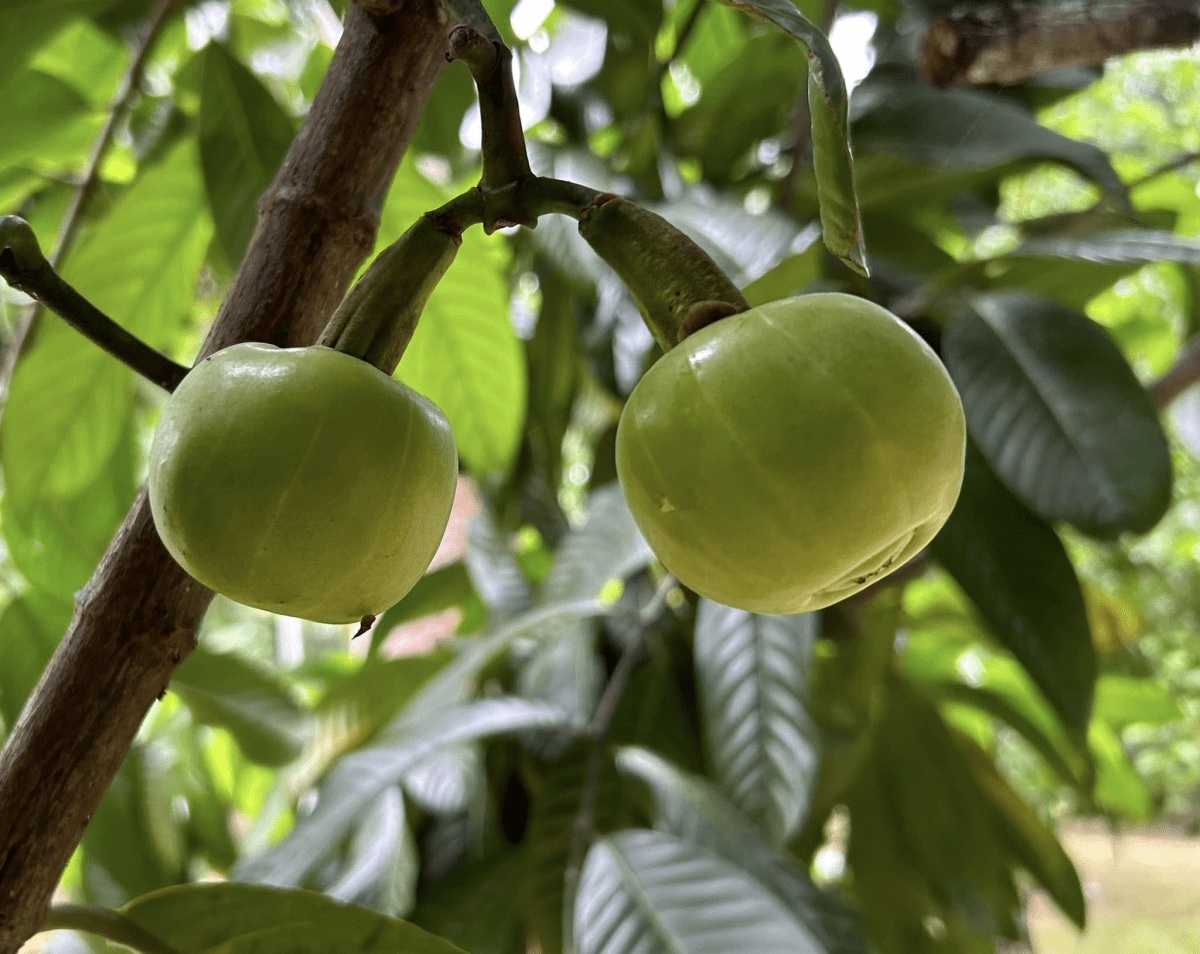
Garcinia Pedunculata
Medicinal Facts
Garcinia pedunculata, commonly known as Amlavetasa, is rich in hydroxycitric acid (HCA), a compound primarily studied for its role in weight management and metabolic health. This plant sits at the intersection of traditional Ayurvedic practices, which utilize it for digestive and liver health, and modern research focusing on its potential to modulate lipid metabolism and appetite. The fruit's bioactive compounds, including garcinol and xanthones, contribute to its antioxidant and anti-inflammatory properties, making it a subject of interest in both traditional and contemporary medicinal contexts.
What it helps with
Weight management
Hydroxycitric acid (HCA) inhibits ATP-citrate lyase, an enzyme that converts citrate into acetyl-CoA, thereby reducing fatty acid synthesis and promoting glycogen storage. This mechanism may decrease appetite and body weight, as evidenced by several animal studies and a few human trials, though results are mixed and often depend on formulation and dosage.
Metabolic syndrome
HCA and garcinol modulate lipid metabolism by enhancing the expression of peroxisome proliferator-activated receptors (PPARs), which play a key role in lipid uptake and oxidation. This action may improve lipid profiles and insulin sensitivity, with some animal studies supporting these effects, although robust human data are limited.
Digestive health
Traditionally, Amlavetasa is used to improve digestion and alleviate dyspepsia. Its action is partly attributed to the stimulation of bile acid secretion, which aids in fat digestion. The fruit's xanthones also exhibit antimicrobial activity, potentially balancing gut microbiota.
Liver protection
Garcinol, a polyisoprenylated benzophenone, exerts hepatoprotective effects by activating Nrf2, a transcription factor that induces the expression of detoxifying and antioxidant enzymes. Animal studies suggest it may protect against chemically-induced liver damage, although human evidence is lacking.
Antioxidant support
The xanthones and garcinol in Garcinia pedunculata scavenge reactive oxygen species (ROS) and upregulate endogenous antioxidant defenses through Nrf2 activation. This broad antioxidant action is supported by in vitro and animal studies, highlighting its potential in oxidative stress-related conditions.
Anti-inflammatory effects
Garcinol inhibits NF-kB signaling, reducing the production of pro-inflammatory cytokines such as TNF-a and IL-6. This mechanism underlies its traditional use in inflammatory conditions and is supported by preclinical studies.
Cardiovascular health
By modulating lipid metabolism and reducing oxidative stress, Garcinia pedunculata may support cardiovascular health. HCA's role in lowering LDL cholesterol and triglycerides is of particular interest, although clinical evidence is still emerging.
Key active compounds
Hydroxycitric acid (HCA)
A citric acid derivative that inhibits ATP-citrate lyase, reducing de novo lipogenesis and potentially suppressing appetite. Its bioavailability varies, influencing its efficacy in weight management.
Garcinol
A polyisoprenylated benzophenone with potent antioxidant and anti-inflammatory properties, known for inhibiting NF-kB and activating Nrf2 pathways. It also shows promise in hepatoprotection.
Xanthones
A class of polyphenolic compounds with antioxidant and antimicrobial activities. They contribute to the plant's digestive health benefits and support its traditional uses.
Catechins
Flavonoids that provide additional antioxidant support by scavenging free radicals and modulating oxidative stress pathways.
Tannins
Polyphenolic compounds with astringent properties, traditionally used to treat diarrhea and dysentery by precipitating proteins and reducing gut inflammation.
Flavonoids
Compounds that enhance the overall antioxidant capacity of the plant, supporting cardiovascular and metabolic health through various signaling pathways.
What the research says
Research on Garcinia pedunculata is primarily focused on its metabolic and weight management effects, with hydroxycitric acid (HCA) being the most studied compound in human trials. These studies often explore its role in lipid metabolism and appetite suppression, though results are inconsistent, likely due to variability in formulation and dosage. Preclinical studies highlight garcinol's potential in oxidative stress and inflammation, with promising results in animal models for liver protection and cardiovascular health. The main limitation in translating these findings to clinical use is the bioavailability of HCA and other compounds, which is being addressed through various formulation strategies to enhance absorption and efficacy.
Typical dosage
For decoction, use 1-2 teaspoons of dried fruit per cup of water, boil for 10-15 minutes, and consume up to twice daily. As a powder, take 500 mg to 1 g per day, preferably before meals. In capsule form, follow the manufacturer's instructions, typically 500 mg taken 1-2 times daily. For extracts, use as directed on the product label, usually not exceeding 1000 mg per day.
About Amlavetasa
Traditional Use
Preparations & Dosage
Preparations
- Decoction: Boil 1-2 teaspoons of dried Garcinia Pedunculata fruit in a cup of water for 10-15 minutes. Strain and consume warm. Add honey or lemon for taste if desired.
- Powder: Grind dried fruit into a fine powder. Take 500 mg to 1 g with water or juice, preferably before meals.
- Capsule: Use commercially prepared capsules. Follow the manufacturer's dosage instructions, typically 500 mg taken 1-2 times daily.
- Extract: Use a standardized extract as directed on the product label, usually not exceeding 1000 mg per day.
Interactions & Warnings
Use with caution
Garcinia Pedunculata should be used with caution by individuals with liver conditions or those taking medications affecting liver function. Pregnant and breastfeeding women should avoid it due to insufficient safety data.
Herb Interactions
Combining with Garcinia Cambogia may enhance appetite-suppressant effects, potentially leading to excessive weight loss or nutritional deficiencies.
Community Plants
Real plants of this species grown and shared by the MyFloralVault community.
More in Digestive Health


Was this helpful?
0 · 0
Care guides for related plants
Care Guide Available
Learn how to grow and care for Amlavetasa at home