Abiu
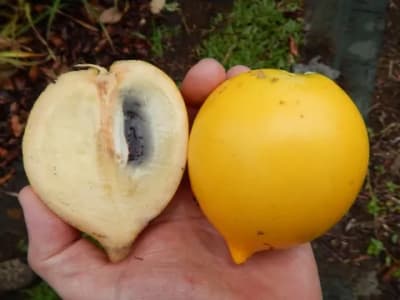
Pouteria Caimito

Medicinal Facts
Pouteria caimito, commonly known as Abiu, is primarily valued for its rich content of polyphenolic compounds, particularly flavonoids and tannins, which contribute to its antioxidant and anti-inflammatory properties. It stands at the intersection of traditional Amazonian medicine, where it is used for respiratory and digestive ailments, and emerging scientific research exploring its potential in metabolic and cardiovascular health. The fruit's bioactive profile also includes saponins and alkaloids, which are being studied for their antimicrobial and hepatoprotective effects. Its traditional uses are now being validated by modern pharmacological studies, though bioavailability remains a key challenge.
What it helps with
Respiratory health
The flavonoids in Abiu, such as quercetin, may support respiratory health by inhibiting the NF-kB pathway, which reduces the expression of pro-inflammatory cytokines like IL-6 and TNF-a. This mechanism is traditionally leveraged in Amazonian medicine to alleviate coughs and bronchitis, though human trials are limited.
Digestive health
Saponins in Abiu are known to enhance gut mucosal integrity by modulating the activity of intestinal enzymes and reducing inflammation via the NF-kB pathway. Traditionally, the fruit is consumed to ease digestive discomfort and promote regularity, with preclinical studies supporting these effects.
Metabolic syndrome
Polyphenolic compounds in Abiu, such as catechins, activate AMP-activated protein kinase (AMPK), which enhances glucose uptake and reduces lipogenesis in hepatic cells. This action suggests potential benefits in managing metabolic syndrome, though evidence is primarily from animal models.
Cardiovascular health
Abiu's tannins may exert cardioprotective effects by inhibiting angiotensin-converting enzyme (ACE), leading to vasodilation and reduced blood pressure. This mechanism is supported by animal studies, aligning with traditional uses for heart health.
Antimicrobial activity
Alkaloids in Abiu, such as sapotoxin, disrupt microbial cell membranes and inhibit bacterial growth. This antimicrobial property is traditionally utilized in treating skin infections and is supported by in vitro studies.
Liver protection
The hepatoprotective effects of Abiu are attributed to its flavonoids, which enhance the expression of antioxidant enzymes via the Nrf2 pathway, reducing oxidative stress in hepatocytes. This is supported by animal studies, though human data are lacking.
Longevity & cellular aging
Abiu may influence longevity by activating sirtuin pathways, particularly SIRT1, which enhances mitochondrial function and reduces cellular senescence. This is a speculative area based on the presence of resveratrol-like compounds, requiring more research.
Key active compounds
Quercetin
A flavonoid that inhibits NF-kB and modulates inflammatory cytokine production. It is well-absorbed when consumed with fats, enhancing its bioavailability.
Catechins
Polyphenolic compounds that activate AMPK, improving metabolic profiles by enhancing insulin sensitivity and reducing hepatic fat accumulation.
Tannins
Polyphenolic compounds that inhibit ACE, contributing to cardiovascular benefits through vasodilation and blood pressure reduction.
Saponins
Glycosides that enhance gut health by modulating intestinal enzymes and reducing inflammation, with potential cholesterol-lowering effects.
Alkaloids (Sapotoxin)
Compounds with antimicrobial properties that disrupt microbial cell membranes, studied for their potential in treating infections.
Resveratrol-like compounds
Polyphenols speculated to activate sirtuin pathways, contributing to potential anti-aging effects, though research is still in early stages.
What the research says
Research on Abiu is primarily preclinical, focusing on its antioxidant, anti-inflammatory, and antimicrobial properties. Flavonoids like quercetin and catechins have shown promise in animal models for metabolic and cardiovascular health, with some studies exploring their effects on AMPK and NF-kB pathways. The most significant limitation is the lack of human clinical trials, which hampers the translation of these findings into practical applications. Efforts to improve bioavailability, such as formulating extracts with lipid carriers or using whole fruit preparations, are ongoing to enhance the therapeutic potential of Abiu.
Typical dosage
For fruit consumption, it is recommended to eat 1-2 fruits per day as part of a balanced diet. For juice, consume 1 glass (about 250 ml) daily. When using as an infusion, steep 1-2 teaspoons of dried fruit or leaves in hot water for 10 minutes, and drink up to 3 times daily. For topical application as a poultice, apply the mashed pulp directly to the skin and leave for 20-30 minutes.
About Abiu
Traditional Use
Preparations & Dosage
Preparations
- Fruit consumption: Peel the fruit and remove the seeds. Consume the flesh directly or add to fruit salads and smoothies.
- Juice: Blend peeled Abiu fruit with water. Strain to remove pulp if desired. Serve chilled.
- Infusion: Steep 1-2 teaspoons of dried fruit or leaves in hot water for 10 minutes. Strain and serve.
- Poultice: Mash the fruit pulp and apply directly to the skin. Cover with a clean cloth and leave for 20-30 minutes.
Interactions & Warnings
Use with caution
Pouteria caimito is generally considered safe for consumption. However, individuals with latex allergies should exercise caution, as the sap of the tree may cause allergic reactions. Pregnant and breastfeeding women should consult a healthcare provider before use.
Community Plants
Real plants of this species grown and shared by the MyFloralVault community.
More in Digestive Health


Was this helpful?
0 · 0