Canker
6 entries
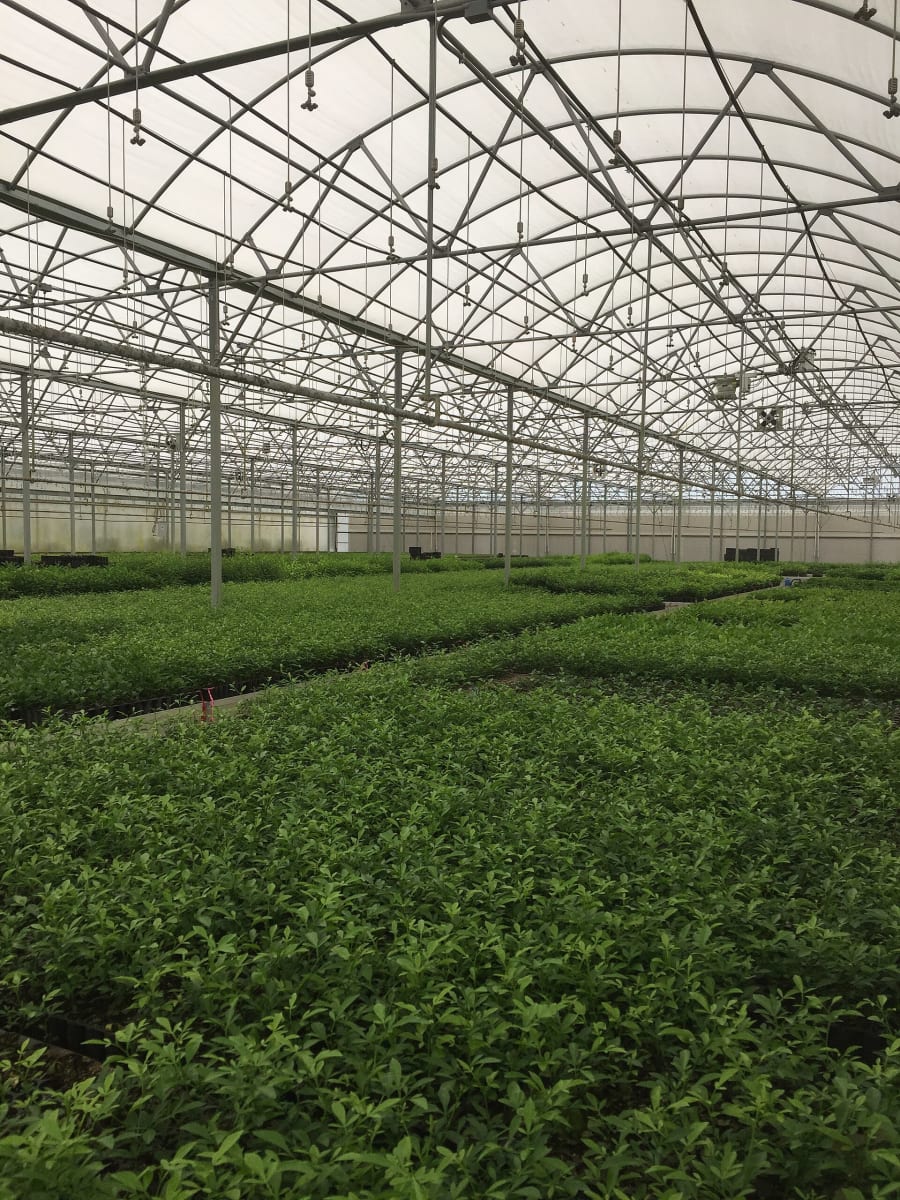
Citrus canker
Xanthomonas citri
Citrus canker is a bacterial disease caused by Xanthomonas citri, affecting citrus plants. It is characterized by raised, corky lesions on leaves, stems, and fruit, often surrounded by an oily, water-soaked margin and a yellow halo. These symptoms can lead to defoliation, blemished fruit, and premature fruit drop, impacting the yield and marketability of citrus crops.
Bacterial canker of stone fruit
Pseudomonas syringae pv. syringae
Bacterial canker of stone fruit is a disease caused by Pseudomonas syringae pv. syringae, characterized by sunken lesions on branches and twigs, gum exudation, and dieback of affected areas. It primarily affects stone fruit trees such as cherries, plums, and peaches.
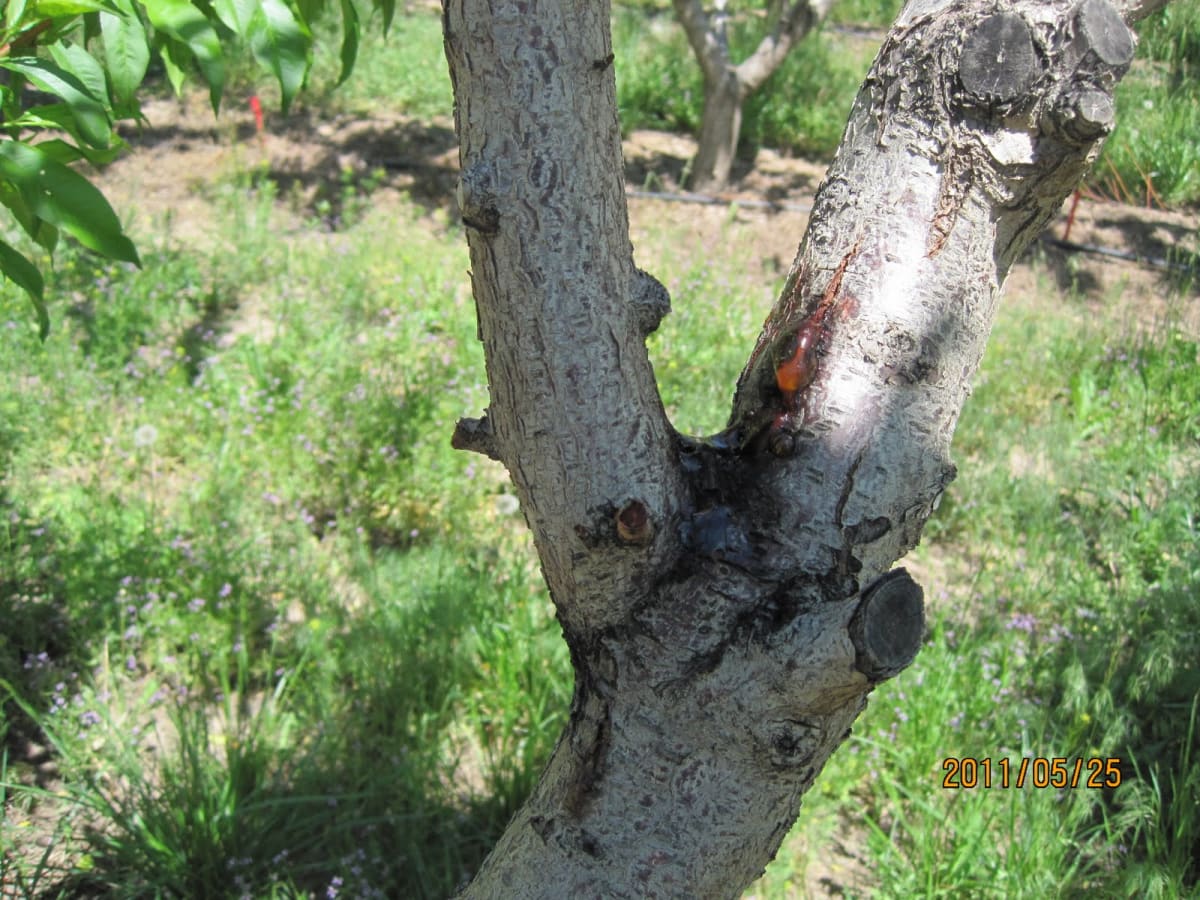
Cytospora canker
Cytospora
Cytospora canker is a fungal disease caused by the pathogen Cytospora, which primarily affects the bark of trees and shrubs. It manifests as sunken, discolored lesions on the bark, often accompanied by oozing sap. Over time, the cankers can girdle branches, leading to dieback and potentially the death of the affected plant parts.
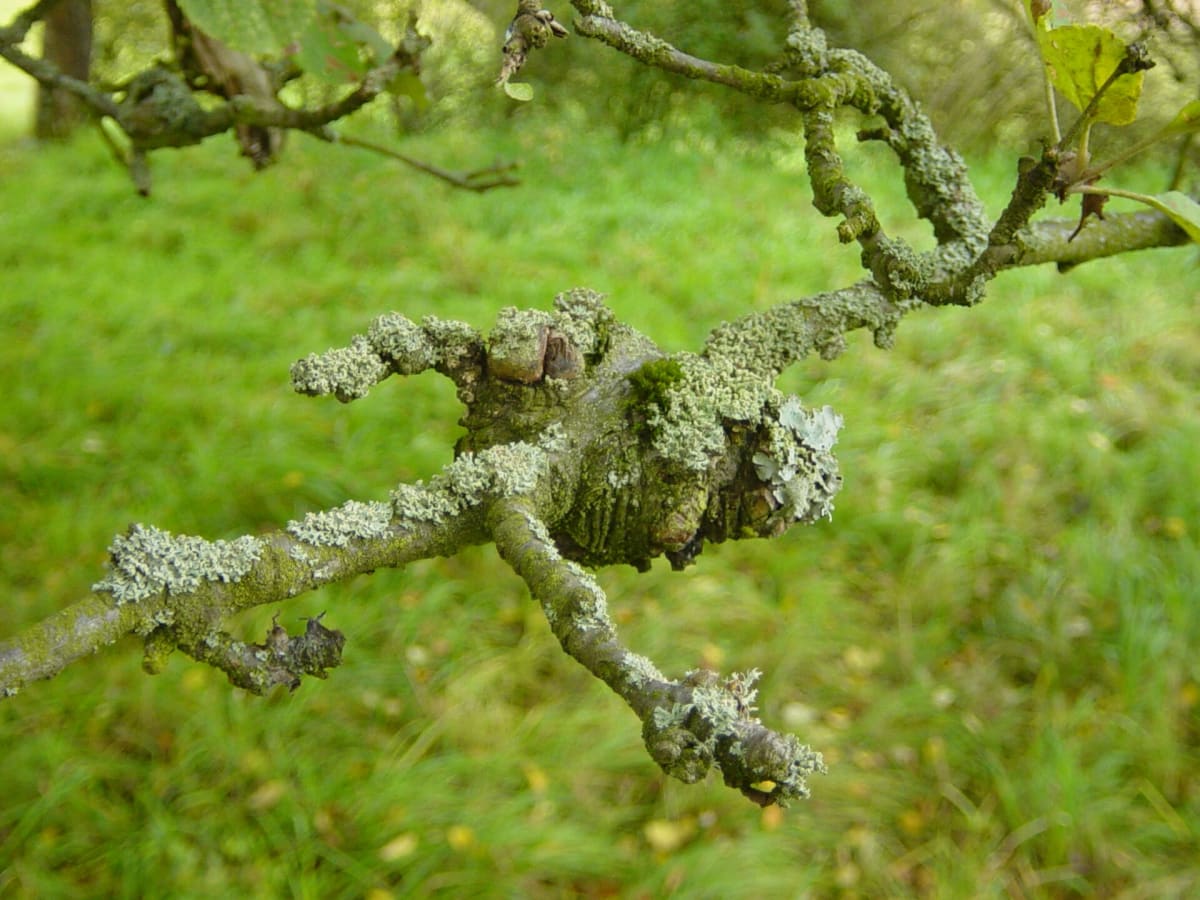
Nectria canker
Neonectria ditissima
Nectria canker, caused by the fungus Neonectria ditissima, is a serious disease that affects a wide range of hardwood trees. It is characterized by sunken, discolored lesions on the bark, which can girdle branches and trunks, leading to dieback and potentially tree death.
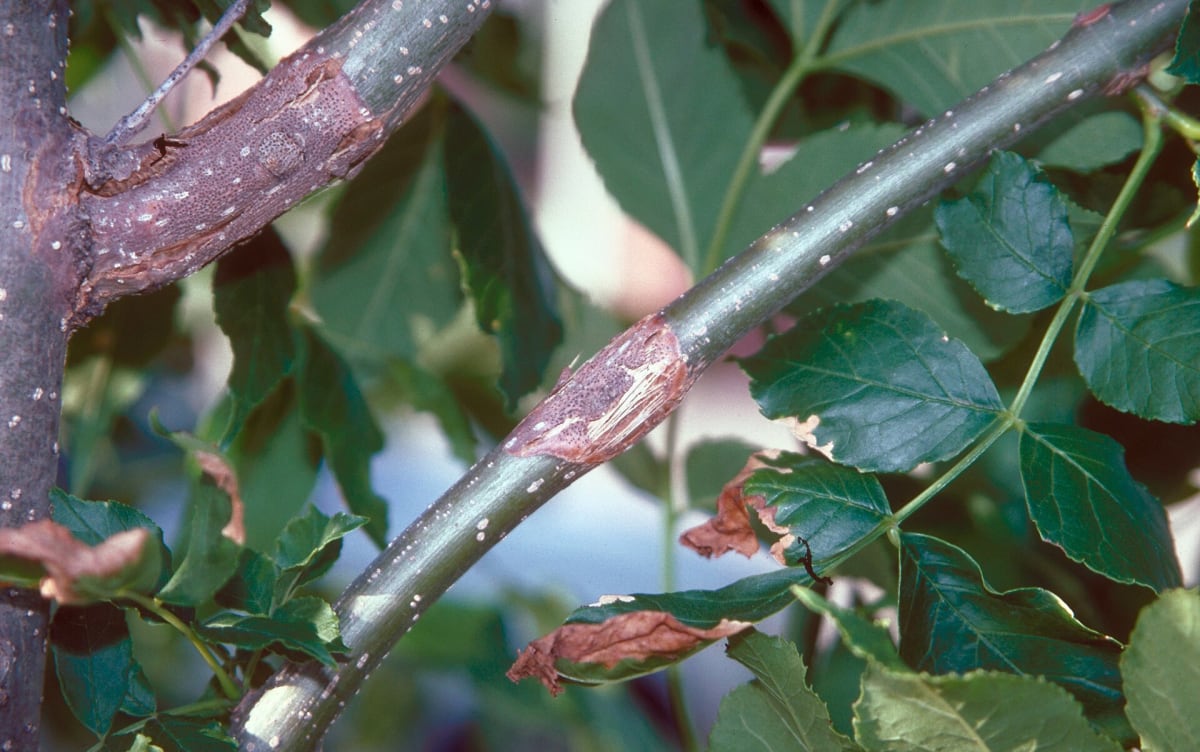
Botryosphaeria canker
Botryosphaeria dothidea
Botryosphaeria canker, caused by the fungus Botryosphaeria dothidea, is a disease that affects a wide range of woody plants. It is characterized by sunken cankers on the bark, which can lead to dieback of branches and twigs. The disease is often more severe in stressed plants.
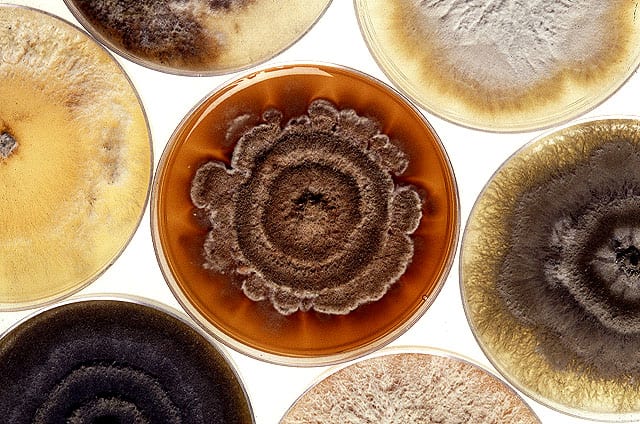
Phomopsis stem canker
Phomopsis
Phomopsis stem canker is a fungal disease caused by the pathogen Phomopsis. It primarily affects the stems of plants, leading to sunken cankers that can girdle stems and cause dieback. The disease is often identified by the presence of dark, elongated lesions on the stems.