Phomopsis stem canker
Phomopsis stem canker is a fungal disease caused by the pathogen Phomopsis. It primarily affects the stems of plants, leading to sunken cankers that can girdle stems and cause dieback. The disease is often identified by the presence of dark, elongated lesions on the stems.
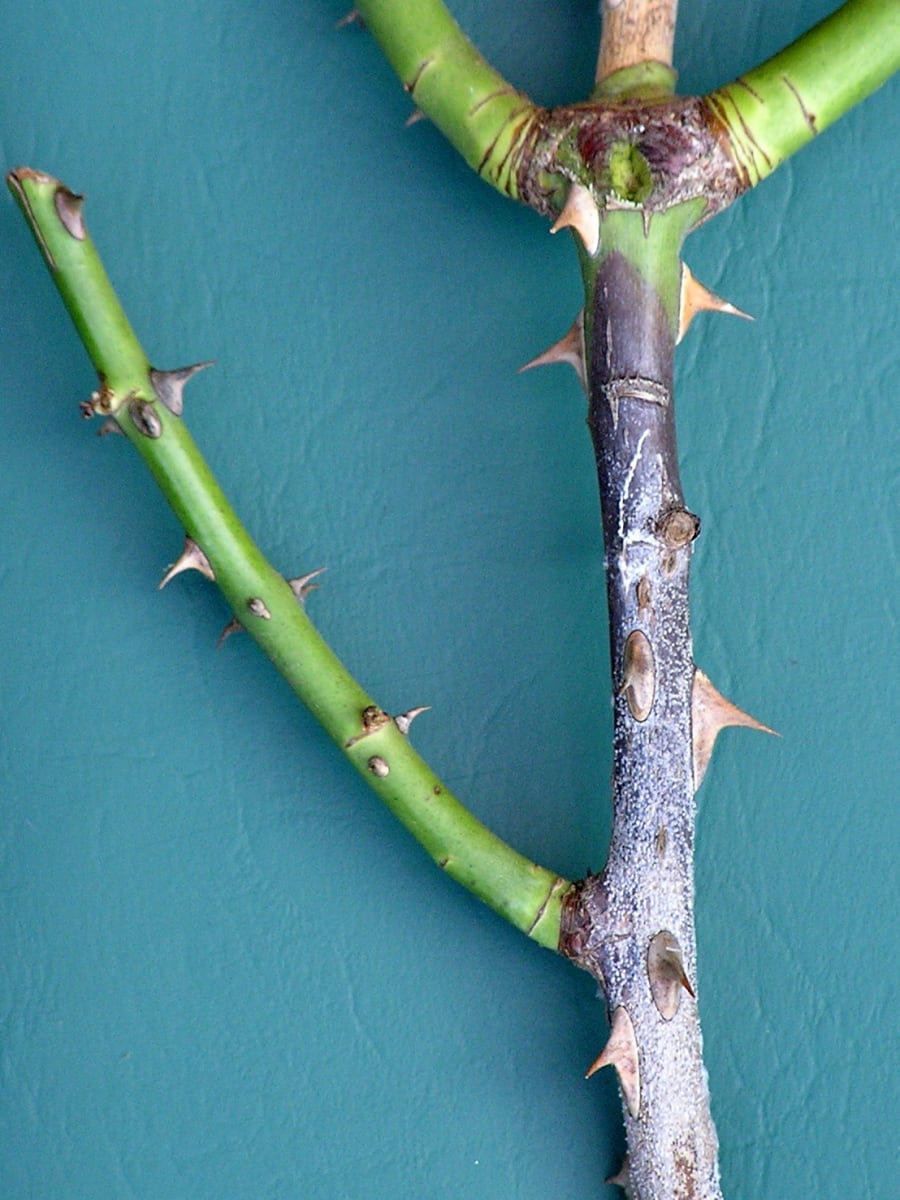
About this problem
Phomopsis stem canker is a disease caused by the fungal pathogen Phomopsis, which targets the stems of various plants. This pathogen invades through wounds or natural openings and establishes itself in the vascular tissues. Over time, the infection results in the formation of sunken, dark lesions that can girdle the stem, disrupting the flow of nutrients and water. As the disease progresses, it can lead to dieback of branches and, in severe cases, the death of the plant. The symptoms of Phomopsis stem canker can be confused with other stem diseases, such as those caused by Botryosphaeria or Cytospora, but the characteristic elongated lesions are a key identifying feature. The disease is more prevalent in conditions of high humidity and can spread rapidly in dense plantings where airflow is restricted.
Symptoms
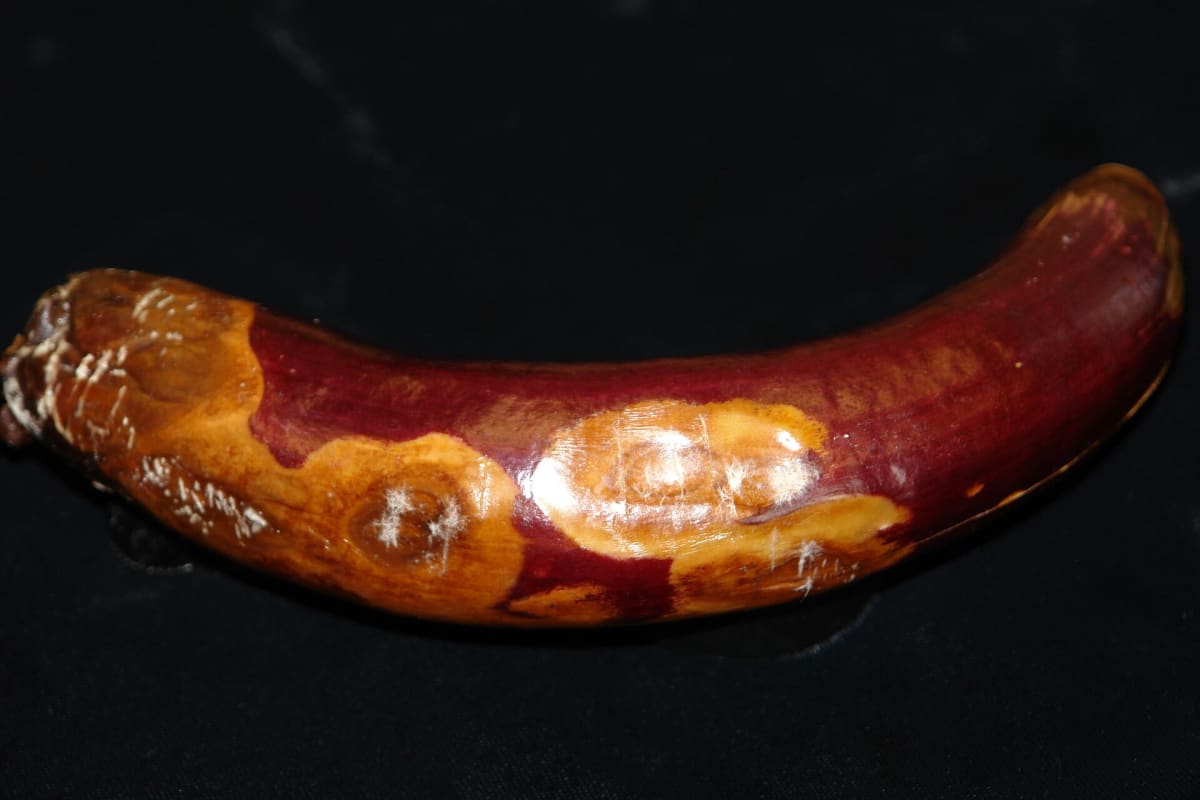
- Sunken cankers on stems
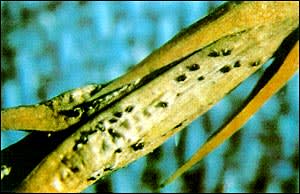
- Dark, elongated lesions
- Stem girdling
- Branch dieback
- Wilting of affected branches
Cause
Phomopsis, a fungal pathogen, is the primary cause of this disease. It thrives in conditions of high humidity and can enter the plant through wounds or natural openings.
Conditions that favour it
- High humidity
- Poor air circulation
- Dense plantings
- Wounded or damaged stems
Lifecycle and spread
Phomopsis spreads through spores that are dispersed by wind and rain. The fungus overwinters in infected plant debris and can persist in the soil. Breaking the cycle involves removing and destroying infected plant material and ensuring good sanitation practices.
Plants most affected
- Grapevine
- Raspberry
- Blueberry
- Peach
- Apple
- Pear
- Cherry
- Juniper
Treatment
Educational information only, and not a substitute for professional diagnosis. Identify the problem before treating it, and check that any product is registered for this plant and this use where you live.
Cultural control
- Prune infected stems and branches
- Improve air circulation by proper spacing
- Remove and destroy infected plant debris
- Avoid overhead watering
Organic options
- Copper-based fungicides
- Neem oil
- Bordeaux mixture
Chemical options
- Chlorothalonil For controlling fungal infections
Read and follow the product label. The label is the legally binding instruction. Confirm the product is registered for this plant and for this use in your area before applying it.
Prevention
- Maintain proper plant spacing
- Prune regularly to improve airflow
- Monitor for early signs of infection
- Avoid wounding plants during pruning
- Implement good sanitation practices