Botryosphaeria canker
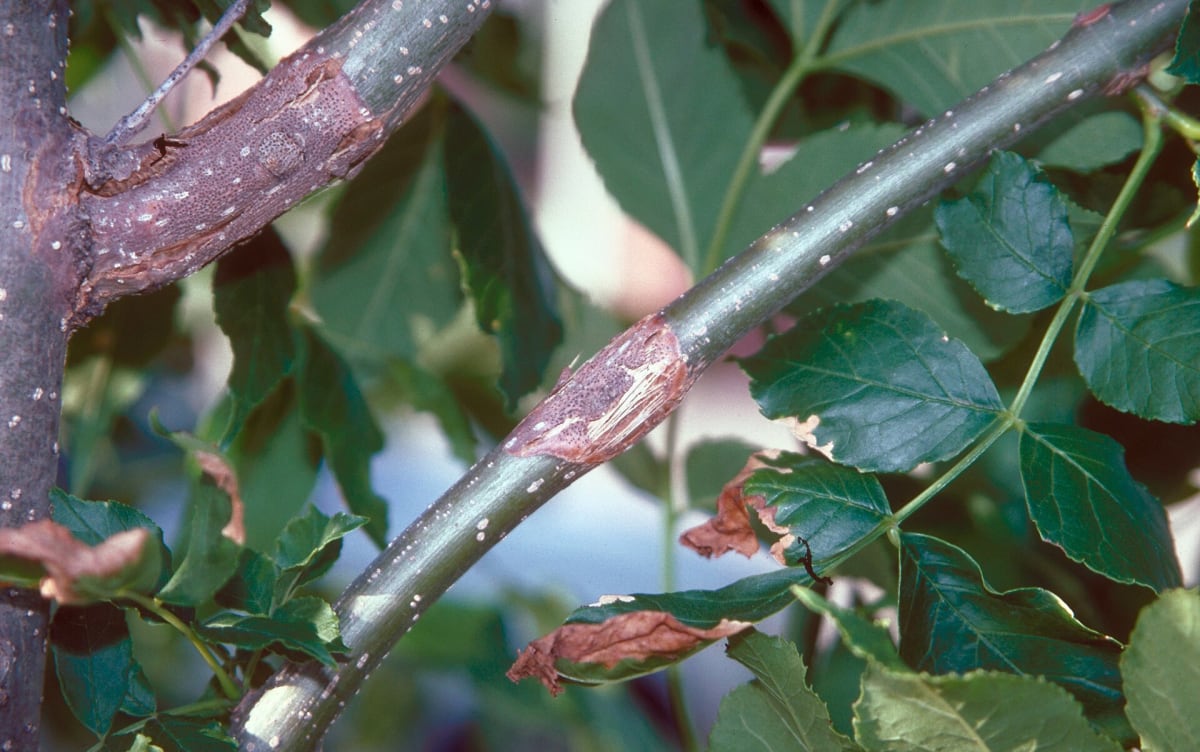
Botryosphaeria canker, caused by the fungus Botryosphaeria dothidea, is a disease that affects a wide range of woody plants. It is characterized by sunken cankers on the bark, which can lead to dieback of branches and twigs. The disease is often more severe in stressed plants.
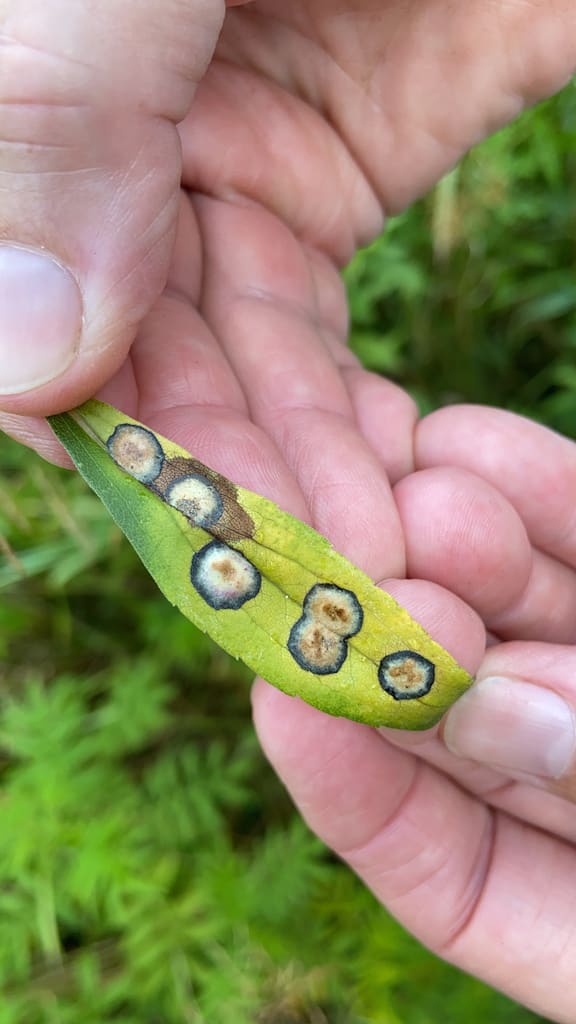
About this problem
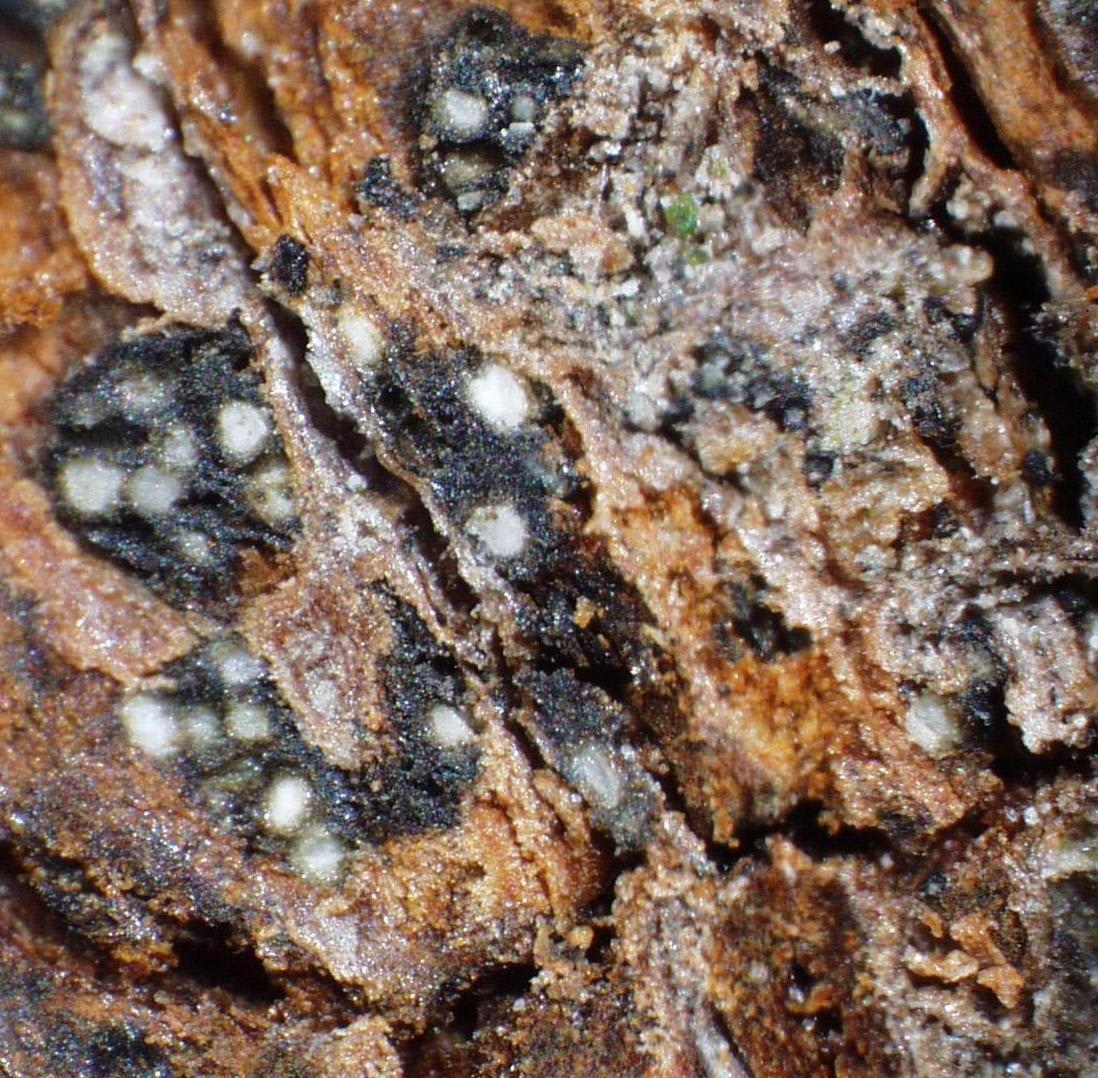
Botryosphaeria canker is a fungal disease caused by Botryosphaeria dothidea, which infects a variety of woody plants. The fungus typically enters through wounds or natural openings in the bark. Once inside, it disrupts the plant's vascular system, leading to the formation of sunken cankers. Over time, these cankers can girdle branches, causing dieback and, in severe cases, the death of the plant. Symptoms are often more pronounced in plants that are already stressed due to drought, poor nutrition, or other environmental factors. The disease can be confused with other canker diseases, but the presence of black pycnidia (fruiting bodies) on the bark can help in its identification.
Symptoms
- Sunken cankers on bark
- Branch dieback
- Twig dieback
- Black fruiting bodies on bark
- Girdling of branches
- Wilting of leaves
- Leaf drop
Cause
Botryosphaeria dothidea is the fungal pathogen responsible for this disease. It thrives in conditions where plants are stressed, such as during drought or when they are wounded.
Conditions that favour it
- High humidity
- Wounds on plants
- Drought stress
- Poor air circulation
- Overcrowded plantings
Lifecycle and spread
The fungus overwinters in infected plant material and produces spores that are spread by wind and rain. It enters plants through wounds or natural openings. The cycle can be broken by removing and destroying infected plant material and improving plant vigor.
Plants most affected
- Apple
- Pear
- Maple
- Oak
- Pine
- Rhododendron
- Azalea
- Grapevine
- Walnut
- Peach
Treatment
Educational information only, and not a substitute for professional diagnosis. Identify the problem before treating it, and check that any product is registered for this plant and this use where you live.
Cultural control
- Prune out infected branches
- Improve air circulation
- Avoid wounding plants
- Ensure proper spacing
- Maintain plant health through adequate watering
Organic options
- Copper-based fungicides
- Neem oil
- Horticultural oils
Chemical options
- Thiophanate-methyl Used to manage fungal infections
Read and follow the product label. The label is the legally binding instruction. Confirm the product is registered for this plant and for this use in your area before applying it.
Prevention
- Regularly inspect plants for signs of disease
- Avoid overhead watering
- Sanitize pruning tools
- Remove and destroy infected plant material
- Enhance plant vigor through proper care