Cytospora canker
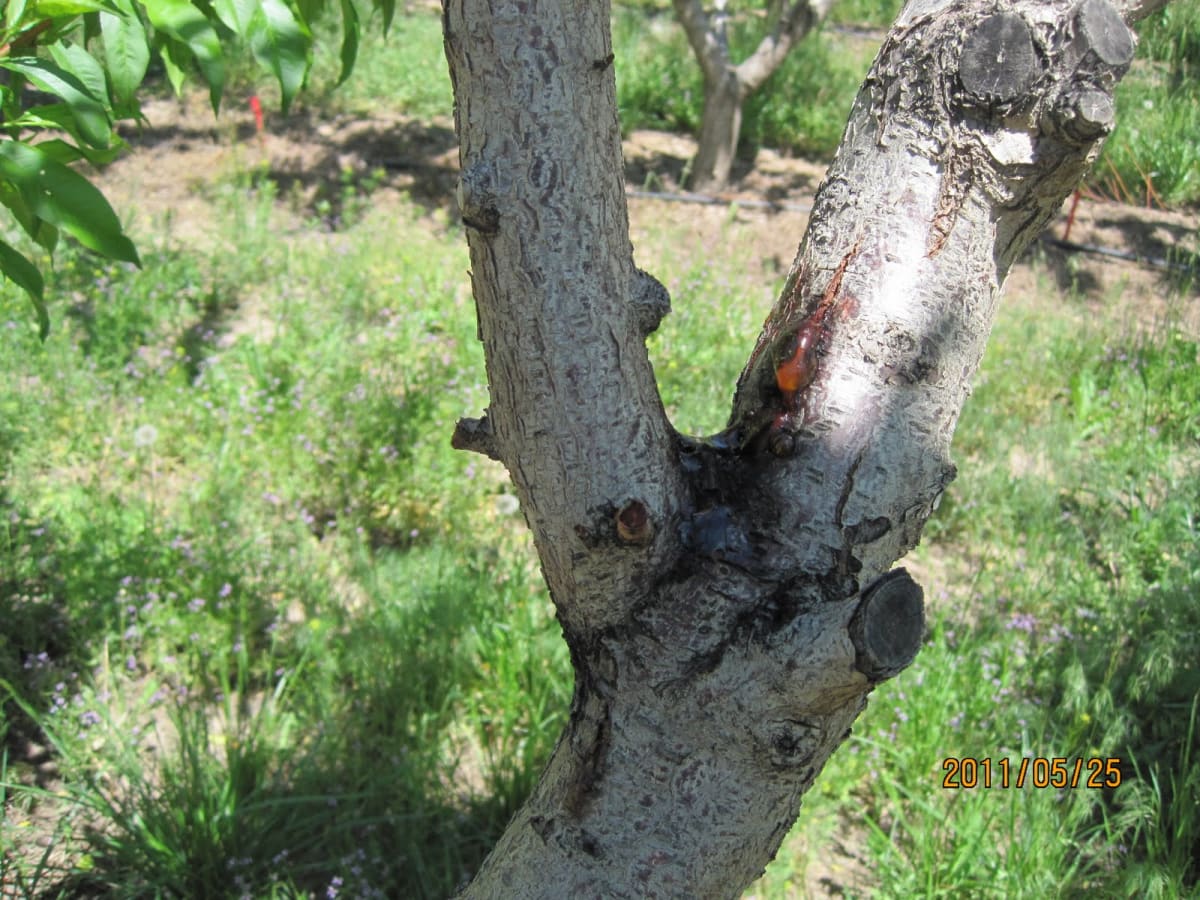
Cytospora canker is a fungal disease caused by the pathogen Cytospora, which primarily affects the bark of trees and shrubs. It manifests as sunken, discolored lesions on the bark, often accompanied by oozing sap. Over time, the cankers can girdle branches, leading to dieback and potentially the death of the affected plant parts.
About this problem
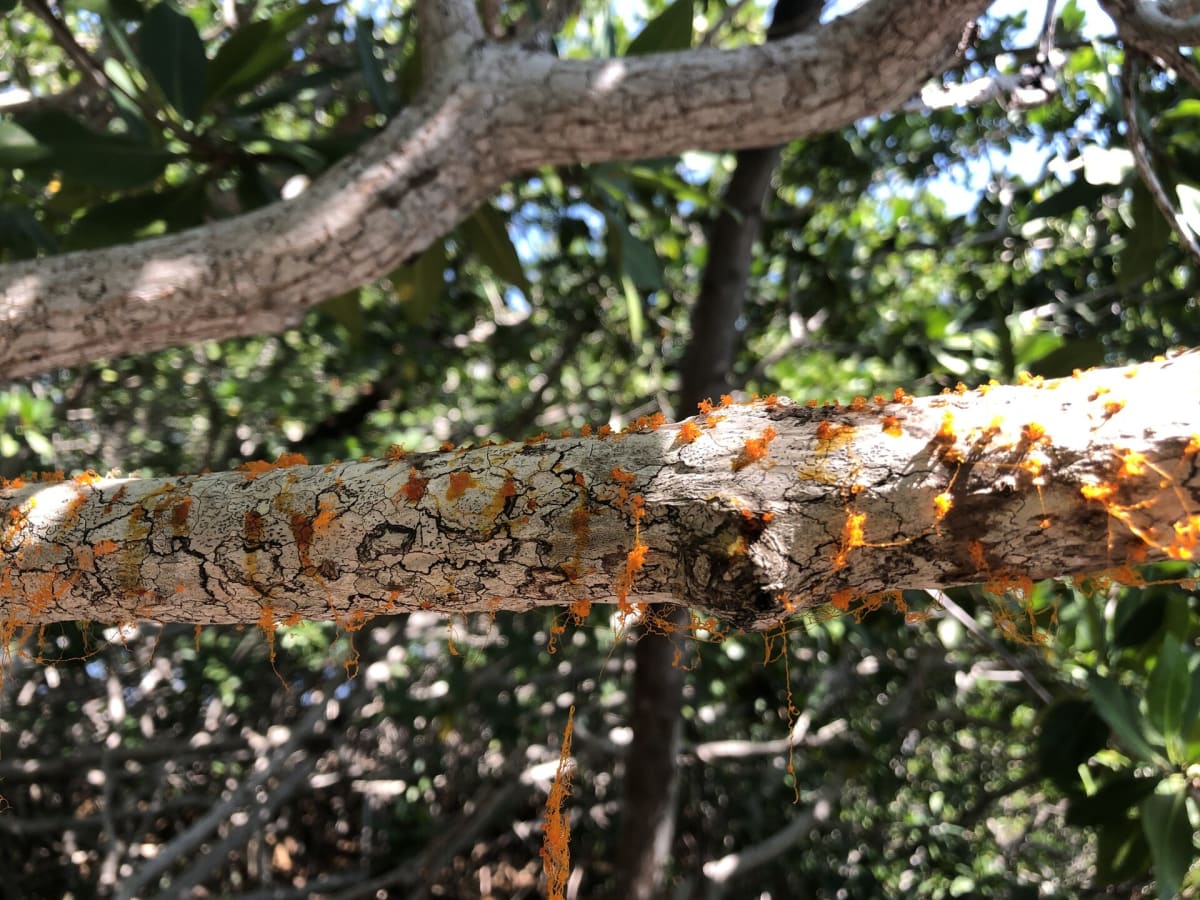
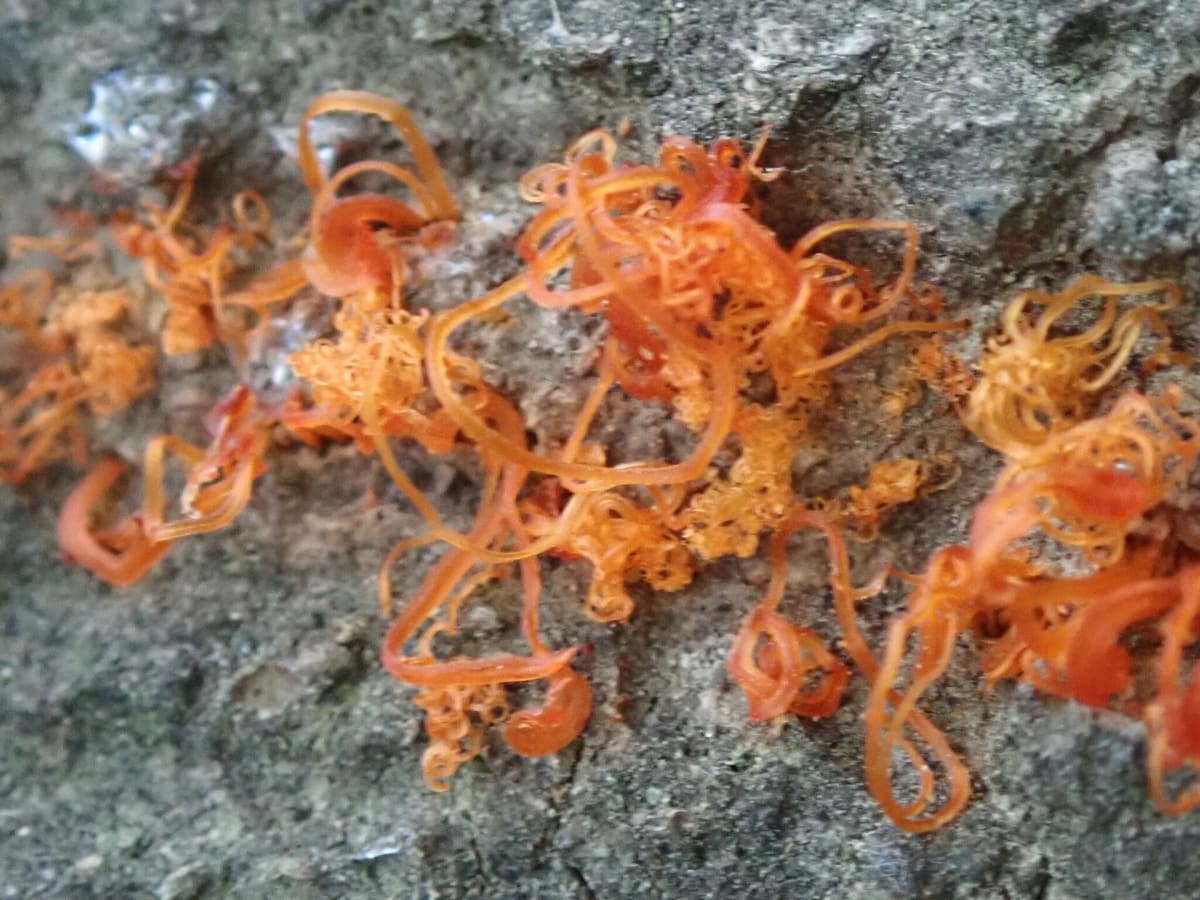
Cytospora canker is caused by the fungal pathogen Cytospora, which infects a wide range of woody plants. The disease is most prevalent in stressed or weakened plants, often entering through wounds in the bark. Once established, the fungus produces sunken cankers that can girdle branches, leading to dieback. The cankers are often accompanied by a gummy or resinous exudate. In severe cases, the disease can progress to kill entire branches or even the whole plant if not managed effectively. The disease is often confused with other canker diseases, such as those caused by Nectria or Botryosphaeria, but can be distinguished by the presence of small, black fruiting bodies on the surface of the cankers. These fruiting bodies release spores that can spread the disease to other parts of the plant or to nearby plants. Growers may first notice symptoms in the form of wilting or dieback of branches, particularly during periods of drought or other environmental stress. It is important to manage stress factors and maintain plant health to prevent the onset of Cytospora canker.
Symptoms
- Sunken lesions on bark
- Discolored bark
- Oozing sap
- Branch dieback
- Wilting of branches
- Presence of black fruiting bodies
Cause
Cytospora species, a fungal pathogen, thrive in stressed plants, particularly those with wounds or environmental stress factors such as drought or poor nutrition.
Conditions that favour it
- Wounds in bark
- Environmental stress
- Poor nutrition
- Drought conditions
- Overcrowded plantings
Lifecycle and spread
Cytospora canker spreads through spores released from fruiting bodies on the cankers. These spores are dispersed by rain, wind, or contaminated tools. The fungus overwinters in infected plant tissue, and new infections typically occur in spring when conditions are moist. Breaking the cycle involves removing and destroying infected plant material and maintaining plant health.
Plants most affected
- Poplar
- Willow
- Spruce
- Cottonwood
- Aspen
- Cherry
- Peach
- Plum
- Maple
- Birch
Treatment
Educational information only, and not a substitute for professional diagnosis. Identify the problem before treating it, and check that any product is registered for this plant and this use where you live.
Cultural control
- Prune out infected branches
- Improve air circulation
- Avoid wounding plants
- Ensure proper spacing
- Maintain plant health
Organic options
- Copper-based fungicides
- Neem oil
- Horticultural oil
Chemical options
- Chlorothalonil For managing fungal infections
Read and follow the product label. The label is the legally binding instruction. Confirm the product is registered for this plant and for this use in your area before applying it.
Prevention
- Regularly inspect plants for signs of disease
- Avoid planting susceptible species in high-risk areas
- Ensure proper plant nutrition
- Water plants during dry periods
- Sanitize pruning tools