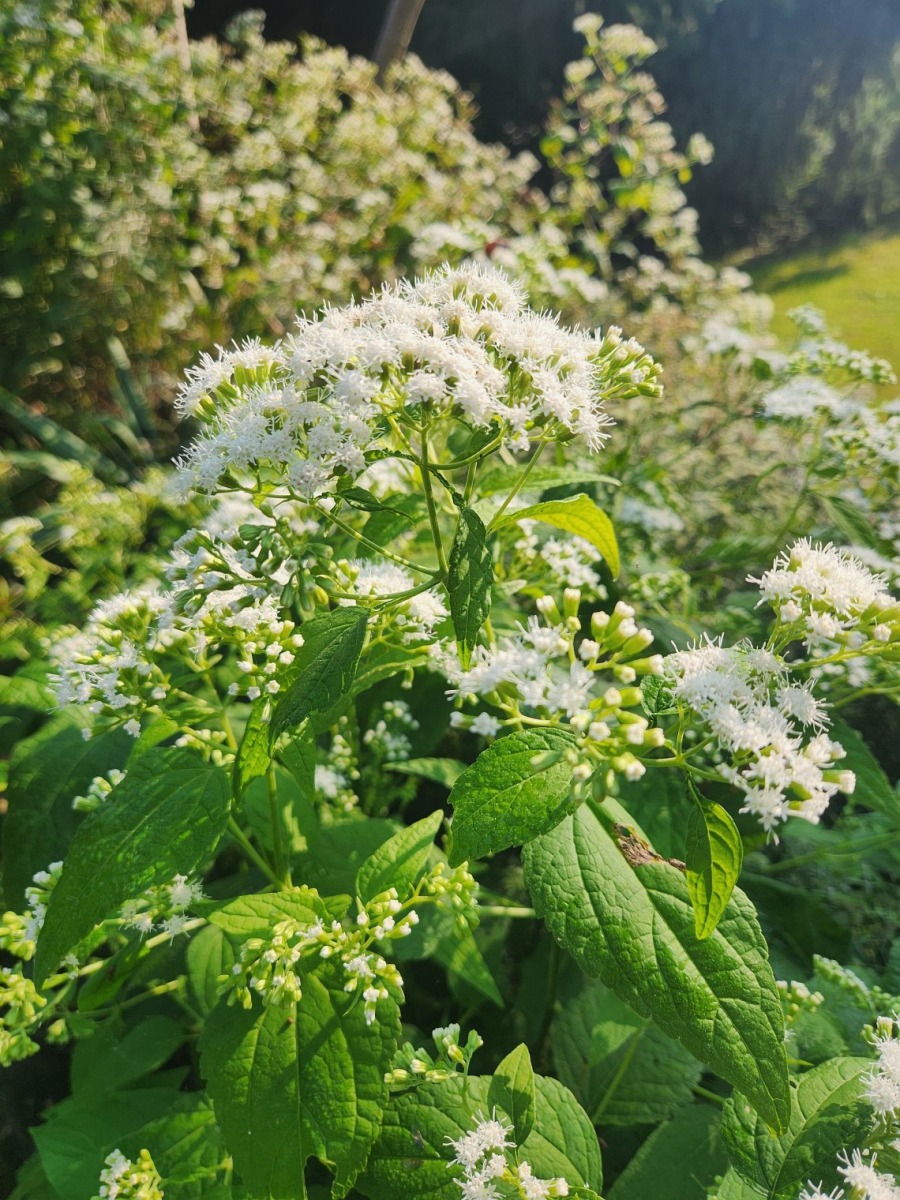
White Snakeroot
Ageratina altissima
Medicinal Facts
White Snakeroot contains several active compounds, including alkaloids that may have sedative and anti-inflammatory properties. It is situated at the intersection of traditional herbal medicine and modern phytochemistry, where its historical use for digestive and respiratory issues is contrasted with its potential toxicity.
What it helps with
Digestive issues
Traditionally used for digestive discomfort, White Snakeroot may help alleviate symptoms such as bloating and nausea, although specific mechanisms remain under-researched.
Respiratory health
Historically, it has been used to support respiratory function, but detailed mechanisms or active compounds responsible for this effect are not well-documented.
Fever
It has been used as a folk remedy for reducing fever, potentially due to its anti-inflammatory properties, although clinical evidence is lacking.
Mild sedation
The sedative effects may be attributed to its alkaloid content, which could influence the central nervous system, but further research is needed to clarify these actions.
Key active compounds
Alkaloids
May exert sedative effects and anti-inflammatory actions, though specific pathways are not well-defined.
Triterpenes
Potentially contribute to anti-inflammatory effects, but more research is required to establish their pharmacological significance.
What the research says
Research on White Snakeroot is limited, with most evidence stemming from traditional uses rather than clinical trials. Its alkaloid content suggests potential for sedative and anti-inflammatory effects, yet the primary limitation is the lack of robust studies confirming these benefits. Toxicity remains a significant concern, particularly in relation to its historical context of causing milk sickness.
Typical dosage
For tea, steep 1-2 teaspoons of dried leaves in 8 ounces of boiling water for 10-15 minutes, and consume up to 2-3 times daily. For tincture, a common dosage is 1-2 ml taken 2-3 times daily. Poultices can be made by crushing fresh leaves and applying them directly to the skin for localized relief.
About White Snakeroot
Preparations & Dosage
Preparations
- Tea / Infusion: Steep 1-2 teaspoons of dried leaves in 8 ounces of boiling water for 10-15 minutes. Strain and serve. Can be sweetened with honey if desired.
- Tincture: Combine 1 part dried herb with 5 parts alcohol (e.g., vodka) in a jar. Seal and let sit for 4-6 weeks, shaking occasionally. Strain and store in a dark bottle.
- Poultice: Crush fresh leaves and apply directly to the skin where relief is needed. Secure with a bandage if necessary.
Interactions & Warnings
Use with caution
White Snakeroot contains toxic compounds that can cause serious health issues if ingested in large amounts. It should be avoided by pregnant women and individuals with liver conditions. Always consult a healthcare professional before use.
Herb Interactions
Combining with valerian may enhance sedative effects, leading to increased drowsiness.
Community Plants
Real plants of this species grown and shared by the MyFloralVault community.

More in Digestive Health




Was this helpful?
0 · 0