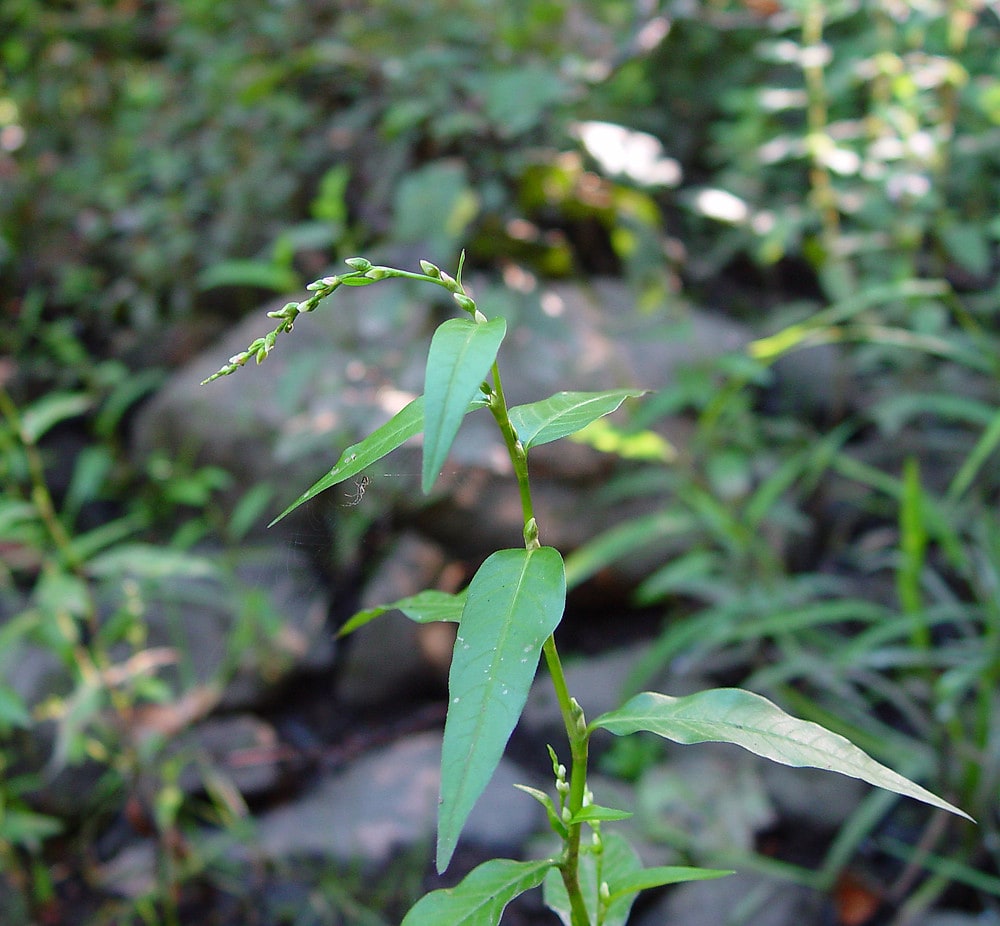
Water Pepper
Persicaria hydropiper
Medicinal Facts
Water pepper's medicinal properties are largely attributed to its active compound polygodial, which exhibits anti-inflammatory, antimicrobial, and analgesic effects. This herb sits at the intersection of traditional culinary practices and modern herbal medicine, where it is utilized for digestive health and pain relief.
What it helps with
Digestive discomfort
Polygodial may help alleviate symptoms of bloating and nausea by modulating gastrointestinal motility and reducing inflammation in the gut.
Inflammation
Research suggests that polygodial inhibits pro-inflammatory cytokines, which may support its use in conditions characterized by inflammation.
Antimicrobial activity
Water pepper has demonstrated effectiveness against various bacteria and fungi, potentially due to polygodial's ability to disrupt microbial membranes.
Pain relief
The analgesic properties of water pepper may be linked to its ability to inhibit pain pathways, providing relief from mild to moderate pain.
Skin irritation
Topical applications may help soothe minor skin irritations due to its anti-inflammatory effects, although caution is advised due to potential skin irritation.
Key active compounds
Polygodial
A sesquiterpene that exhibits anti-inflammatory and antimicrobial properties, contributing to digestive and pain relief.
Flavonoids
Compounds that may provide antioxidant effects and support overall health.
Tannins
Polyphenolic compounds that may contribute to the herb's astringent properties and digestive benefits.
Saponins
Compounds that may enhance the herb's antimicrobial activity and support immune function.
Essential oils
Volatile compounds that contribute to the herb's flavor and potential therapeutic effects.
What the research says
Research on water pepper primarily focuses on its anti-inflammatory and antimicrobial properties, with polygodial being the most studied compound. Evidence suggests it may effectively reduce inflammation and combat certain pathogens, although more clinical studies are needed to establish its efficacy and safety in various applications. The primary limitation remains the potential for gastrointestinal irritation, which necessitates careful dosing and consideration of individual sensitivities.
Typical dosage
For tea, steep 1-2 teaspoons of dried leaves in hot water for 10-15 minutes, consumed 1-3 times daily. For tincture, a typical dosage is 1-2 ml taken 2-3 times daily. Topical applications should be made with caution, diluted in a carrier oil, and applied to affected areas as needed.
About Water Pepper
Preparations & Dosage
Preparations
- Tea / Infusion: Steep 1-2 teaspoons of dried water pepper leaves in boiling water for 10-15 minutes. Strain and serve. Optionally, add honey or lemon to taste.
- Tincture: Combine 1 part dried water pepper leaves with 5 parts alcohol (vodka or brandy) in a jar. Seal and let sit for 4-6 weeks, shaking occasionally. Strain and store in a dark bottle.
- Topical application: Dilute a few drops of water pepper tincture in a carrier oil (like coconut or olive oil) and apply to affected areas.
Interactions & Warnings
Use with caution
Water pepper contains compounds that can cause irritation to the mucous membranes and skin. It should be used with caution, especially in individuals with sensitive skin or gastrointestinal conditions. Pregnant or breastfeeding women should avoid using it due to insufficient safety data.
Herb Interactions
Both herbs may enhance digestive effects, but combined use could increase the risk of gastrointestinal irritation.
Community Plants
Real plants of this species grown and shared by the MyFloralVault community.
More in Digestive Health




Was this helpful?
0 · 0