Tatsoi
Brassica Rapa Narinosa

Medicinal Facts
Tatsoi, or Brassica rapa narinosa, is a leafy green rich in glucosinolates, particularly glucoraphanin, which upon hydrolysis forms sulforaphane, a potent activator of the Nrf2 pathway. This plant sits at the intersection of traditional Asian culinary use, where it is valued for its nutrient density, and modern research into chemoprevention and detoxification pathways. Its glucosinolate content is central to its health benefits, with sulforaphane being extensively studied for its role in cancer prevention and antioxidant defense.
What it helps with
Cancer prevention
Sulforaphane, derived from glucoraphanin in tatsoi, induces phase II detoxification enzymes through the activation of the Nrf2 pathway. This leads to the upregulation of genes involved in carcinogen detoxification and antioxidant defense, such as glutathione S-transferase and NAD(P)H quinone oxidoreductase 1. Human trials have shown sulforaphane-rich foods can modulate cancer-related biomarkers.
Detoxification & liver health
The Nrf2 pathway activation by sulforaphane enhances the liver's ability to process and eliminate toxins. This is achieved through the induction of detoxifying enzymes and the enhancement of glutathione synthesis. Animal studies suggest a protective effect against chemically induced liver damage.
Antioxidant defense
Sulforaphane elevates cellular antioxidant capacity by activating Nrf2, which increases the expression of endogenous antioxidants like superoxide dismutase and catalase. This mechanism has been observed in both animal models and human cell studies, indicating a broad potential for reducing oxidative stress.
Inflammation modulation
Sulforaphane inhibits the NF-kB pathway, reducing the expression of pro-inflammatory cytokines such as IL-6 and TNF-alpha. This anti-inflammatory effect has been documented in vitro and in animal models, suggesting potential benefits for inflammatory conditions.
Cardiovascular health
Through the activation of Nrf2 and subsequent upregulation of antioxidant defenses, sulforaphane may reduce oxidative stress on the cardiovascular system. This mechanism supports endothelial function and has been linked to improved vascular health in animal studies.
Neuroprotection
Sulforaphane crosses the blood-brain barrier and activates Nrf2 in neural tissues, which may protect against neurodegenerative processes. Preclinical studies suggest it reduces oxidative damage and inflammation in models of neurodegenerative diseases.
Metabolic health
Sulforaphane has been shown to activate AMPK, a key regulator of energy homeostasis, which can improve insulin sensitivity and reduce hepatic glucose production. This mechanism has been explored in animal models of metabolic syndrome.
Key active compounds
Glucoraphanin
A glucosinolate precursor to sulforaphane, it is hydrolyzed by the enzyme myrosinase. Its bioavailability is enhanced when consumed with active myrosinase or gut microbiota capable of converting it to sulforaphane.
Sulforaphane
An isothiocyanate formed from glucoraphanin, it is a potent Nrf2 activator and NF-kB inhibitor. It modulates detoxification pathways and has demonstrated chemopreventive properties in various models.
Kaempferol
A flavonoid that exerts antioxidant effects by scavenging free radicals and modulating signaling pathways such as PI3K/Akt. It may synergize with glucosinolates to enhance anti-inflammatory responses.
Quercetin
A flavonoid with anti-inflammatory and antioxidant properties, it inhibits enzymes like lipoxygenase and modulates the NF-kB pathway. It may enhance the bioactivity of sulforaphane.
Vitamin C
An essential nutrient and antioxidant, it supports immune function and enhances the absorption of non-heme iron. It may also stabilize sulforaphane and other isothiocyanates.
Beta-carotene
A precursor to vitamin A, it contributes to antioxidant defenses and supports vision and immune health. It may work synergistically with other antioxidants in tatsoi.
What the research says
Research on tatsoi and its glucosinolate content highlights sulforaphane as the compound with the most robust evidence, particularly in cancer prevention and detoxification pathways. Human trials have focused on sulforaphane-rich foods and their impact on biomarkers of cancer risk and oxidative stress. Preclinical studies underscore its potential in neuroprotection and metabolic health, with mechanisms involving Nrf2 and AMPK pathways. The main limitation in leveraging these benefits is the variability in sulforaphane bioavailability, which is influenced by factors such as myrosinase activity and gut microbiota composition. Strategies to enhance bioavailability include consuming raw or lightly cooked forms and combining with foods that provide active myrosinase.
Typical dosage
Tatsoi can be consumed in various forms, such as salads, stir-fries, soups, and juices. A typical serving size is about one cup of raw leaves, which can be consumed daily as part of a balanced diet. When juicing, use approximately one cup of leaves per serving. For fermented preparations, follow standard vegetable fermentation guidelines, ensuring proper hygiene and storage.
About Tatsoi
Traditional Use
Preparations & Dosage
Preparations
- Salad: Wash and dry tatsoi leaves thoroughly. Combine with other salad greens, vegetables, and a light dressing. Serve fresh.
- Stir-fry: Heat oil in a pan, add garlic and ginger, then tatsoi leaves. Stir-fry for 2-3 minutes until wilted. Season with soy sauce and serve.
- Soup: Add washed tatsoi to a pot of simmering broth. Cook for 5-7 minutes until tender. Season and serve hot.
- Juice: Blend tatsoi leaves with water or other fruits and vegetables. Strain and serve chilled.
- Fermented: Chop tatsoi and mix with salt. Pack into a jar, ensuring leaves are submerged in brine. Ferment at room temperature for 1-2 weeks.
Interactions & Warnings
Use with caution
Tatsoi is generally considered safe for most people, but individuals with thyroid issues should consume it in moderation due to its goitrogenic compounds. Pregnant and breastfeeding women should consult a healthcare provider before making significant dietary changes.
Herb Interactions
Both contain goitrogens which can interfere with thyroid function if consumed in large amounts.
Community Plants
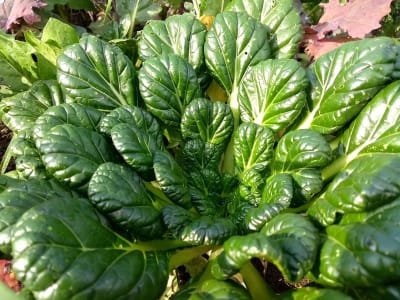
Real plants of this species grown and shared by the MyFloralVault community.
More in Digestive Health


Was this helpful?
0 · 0
Care Guide Available
Learn how to grow and care for Tatsoi at home