Tamarind
Tamarindus Indica
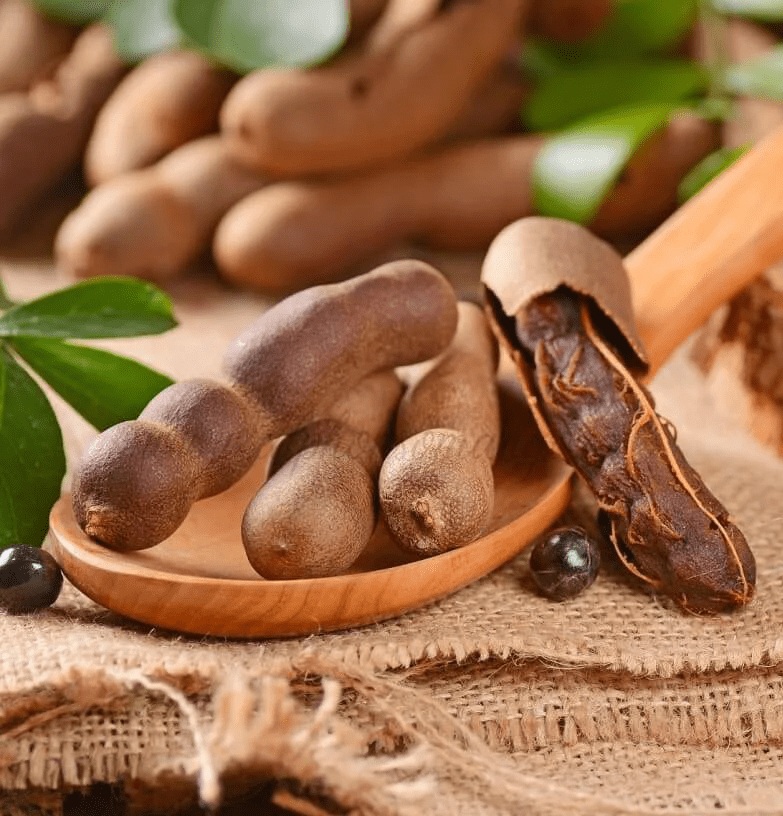
Medicinal Facts
Tamarindus indica, commonly known as tamarind, is a powerhouse of bioactive compounds, notably tartaric acid, polyphenols, and flavonoids such as procyanidins and catechins. It stands at the intersection of traditional Ayurvedic and African medicine, where it is used for digestion and fever, and modern research exploring its antioxidant and cholesterol-lowering properties. Its diverse pharmacological actions are attributed to these compounds, which influence a range of molecular pathways, including those involved in inflammation, lipid metabolism, and glucose regulation.
What it helps with
Digestive health
Tamarind has been traditionally used as a laxative due to its high tartaric acid content, which stimulates intestinal motility. Additionally, its polyphenolic compounds modulate gut microbiota composition, enhancing beneficial bacterial populations. Evidence from animal studies supports its role in improving digestive health.
Cholesterol management
Procyanidins in tamarind inhibit HMG-CoA reductase, the enzyme responsible for cholesterol synthesis in the liver. This leads to reduced LDL cholesterol levels, as demonstrated in animal models and small human trials. Tamarind's effect on lipid profiles is also supported by its ability to increase fecal bile acid excretion.
Antioxidant activity
Tamarind's polyphenols, particularly catechins, activate the Nrf2 pathway, enhancing the expression of endogenous antioxidant enzymes such as superoxide dismutase and catalase. This mechanism helps mitigate oxidative stress, with evidence primarily from in vitro and animal studies.
Anti-inflammatory effects
The flavonoids in tamarind inhibit the NF-kB pathway, reducing the production of pro-inflammatory cytokines like TNF-a and IL-6. This action has been observed in animal models of inflammation and suggests potential benefits for inflammatory conditions.
Blood sugar regulation
Tamarind's polyphenolic content can modulate glucose metabolism by inhibiting alpha-amylase and alpha-glucosidase enzymes, slowing carbohydrate digestion and absorption. Animal studies and traditional uses support its role in managing postprandial blood glucose levels.
Liver protection
Tamarind's antioxidants, including procyanidins, protect hepatocytes from oxidative damage by upregulating Nrf2-mediated detoxification pathways. Animal studies have shown its potential in preventing liver damage induced by toxins.
Cardiovascular health
Tamarind enhances endothelial function through increased nitric oxide production, mediated by its polyphenolic compounds. This vasodilatory effect, supported by animal studies, suggests a role in improving blood flow and reducing hypertension.
Key active compounds
Tartaric acid
A key organic acid contributing to tamarind's laxative effect by stimulating intestinal motility and altering gut pH.
Procyanidins
Flavonoids that inhibit HMG-CoA reductase, impacting cholesterol synthesis, and exhibit strong antioxidant properties.
Catechins
Polyphenols that activate the Nrf2 pathway, enhancing endogenous antioxidant defenses and reducing oxidative stress.
Flavonoids
A diverse group including quercetin and kaempferol, known for inhibiting NF-kB and reducing inflammation.
Polyphenols
Compounds that modulate glucose metabolism by inhibiting digestive enzymes like alpha-amylase and alpha-glucosidase.
Pectin
A soluble fiber that contributes to tamarind's cholesterol-lowering effects by increasing fecal bile acid excretion.
Essential oils
Volatile compounds with antimicrobial properties, contributing to tamarind's traditional use in treating infections.
What the research says
Research on tamarind primarily focuses on its antioxidant, cholesterol-lowering, and digestive health benefits. Procyanidins and catechins show strong preclinical evidence for cardiovascular and liver protection, with some human trials supporting cholesterol management. The most significant limitation is the variability in bioactive compound concentration due to differences in preparation and ripeness, which affects consistency in results. Addressing this, standardized extracts and formulations are being developed to ensure consistent therapeutic effects in clinical settings.
Typical dosage
For tea or infusion, steep 1-2 teaspoons of tamarind pulp in hot water for 10-15 minutes and consume up to twice daily. For tinctures, use 1-2 ml diluted in water or juice up to three times daily. Tamarind powder can be taken in doses of 1-2 grams mixed with water or food. Tamarind paste can be used in culinary applications or diluted for medicinal use, typically 1-2 teaspoons per serving. Tamarind juice should be consumed in moderation, typically 100-200 ml per day.
About Tamarind
Traditional Use
Preparations & Dosage
Preparations
- Tea / Infusion: Boil 1-2 teaspoons of tamarind pulp in 250 ml of water. Let it steep for 10-15 minutes, strain, and drink warm. Add honey or lemon for flavor if desired.
- Tincture: Combine 1 part tamarind pulp with 5 parts alcohol (such as vodka) in a glass jar. Seal and shake daily for 2-4 weeks. Strain and store in a dark bottle.
- Powder: Dry tamarind pulp in the sun or a dehydrator. Grind into a fine powder using a spice grinder. Store in an airtight container.
Interactions & Warnings
Use with caution
Tamarind should be consumed in moderation as excessive intake can lead to gastrointestinal discomfort. Individuals with diabetes should monitor blood sugar levels closely, as tamarind can influence glucose metabolism. Pregnant or breastfeeding women should consult a healthcare provider before use.
Herb Interactions
When combined, may enhance digestive effects and potentially lead to excessive gastrointestinal activity.
Community Plants
Real plants of this species grown and shared by the MyFloralVault community.

More in Digestive Health


Was this helpful?
0 · 0
Care Guide Available
Learn how to grow and care for Tamarind at home