Spiny Amaranth
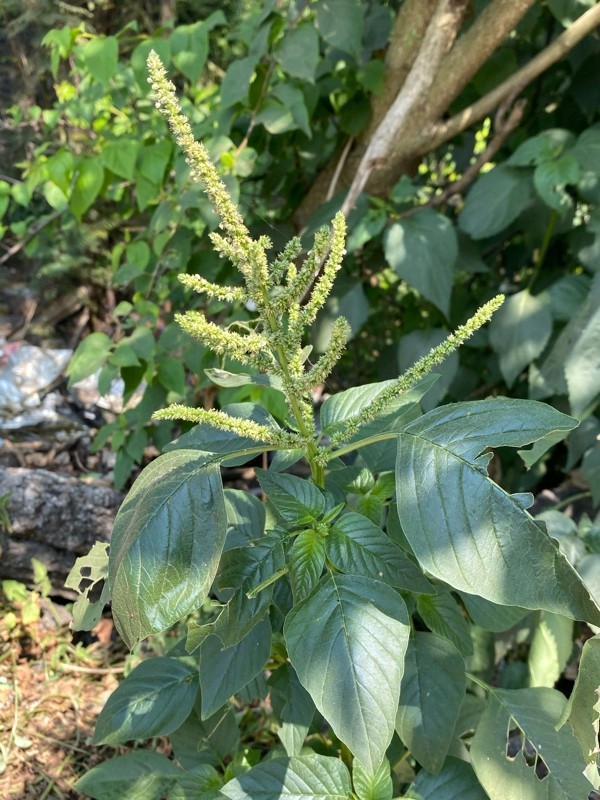
Amaranthus Spinosus
Medicinal Facts
Amaranthus spinosus, or Spiny Amaranth, is a plant rich in flavonoids, phenolic compounds, and saponins, with its medicinal applications rooted in traditional Ayurvedic practices and modern phytochemical research. It is primarily recognized for its anti-inflammatory and antioxidant properties, with a significant focus on its use in traditional medicine for digestive and respiratory health. Modern studies explore its ability to modulate immune responses and its potential in managing metabolic disorders. The plant's diverse pharmacological profile is largely attributed to its active compounds like betacyanins and amaranthine, which have shown promise in various preclinical studies.
What it helps with
Anti-inflammatory effects
Amaranthus spinosus contains flavonoids and phenolic compounds that inhibit the cyclooxygenase (COX) and lipoxygenase (LOX) pathways, reducing the synthesis of pro-inflammatory mediators like prostaglandins and leukotrienes. This mechanism is supported by in vitro and animal studies, suggesting potential benefits in inflammatory conditions.
Antioxidant activity
The presence of betacyanins and amaranthine contributes to the plant's ability to scavenge free radicals and upregulate antioxidant enzymes such as superoxide dismutase (SOD) and catalase. These effects have been confirmed in various in vitro assays, indicating a protective role against oxidative stress-related damage.
Immune modulation
Saponins found in Amaranthus spinosus are known to modulate immune responses by enhancing macrophage activity and stimulating the production of cytokines like IL-2 and IFN-gamma. Animal studies have demonstrated these effects, suggesting potential applications in immune-related disorders.
Metabolic health
Research indicates that the plant's phenolic compounds may activate AMP-activated protein kinase (AMPK), improving insulin sensitivity and reducing hepatic glucose production. These findings are primarily from animal studies, with ongoing research into its potential benefits for metabolic syndrome.
Digestive health
Traditionally used for digestive disorders, the plant's saponins and flavonoids may enhance gastrointestinal motility and protect the gastric mucosa by inhibiting gastric acid secretion and promoting mucin production. These effects have been observed in animal models.
Respiratory support
Amaranthus spinosus has been used in traditional medicine for respiratory ailments, with its expectorant properties attributed to its saponin content, which may help in the clearance of mucus by stimulating bronchial secretions. This traditional use is supported by anecdotal evidence.
Antimicrobial effects
The plant's extracts have demonstrated antimicrobial activity against various pathogens, including bacteria and fungi, possibly through the disruption of microbial cell membranes by its phenolic compounds. These effects are primarily supported by in vitro studies.
Key active compounds
Betacyanins
These pigments are potent antioxidants that scavenge free radicals and protect cells from oxidative damage. They are also involved in the modulation of inflammatory pathways.
Amaranthine
A betacyanin derivative with strong antioxidant properties, contributing to the plant's overall ability to mitigate oxidative stress.
Saponins
These compounds have immunomodulatory effects, enhancing macrophage activity and cytokine production. They also exhibit expectorant properties, aiding in respiratory health.
Flavonoids
Act as anti-inflammatory agents by inhibiting COX and LOX pathways, reducing the production of pro-inflammatory mediators.
Phenolic compounds
These compounds contribute to the plant's antioxidant and antimicrobial activities, disrupting microbial cell membranes and scavenging free radicals.
Tannins
Exhibit astringent properties that may aid in wound healing and have antimicrobial effects by precipitating microbial proteins.
What the research says
Research on Amaranthus spinosus predominantly focuses on its anti-inflammatory and antioxidant properties. The strongest evidence comes from in vitro and animal studies demonstrating its ability to inhibit COX and LOX pathways and enhance antioxidant enzyme activity. Immunomodulatory effects are supported by animal studies showing enhanced macrophage activity and cytokine production. However, human clinical trials are limited, and the main challenge remains the bioavailability of its active compounds. Future research is likely to focus on enhancing bioavailability and conducting more robust human trials to validate its traditional uses and preclinical findings.
Typical dosage
For decoctions, use 10-15 grams of dried plant material per 500 ml of water, boiled for 10-15 minutes, and consumed up to twice daily. For infusions, steep 1-2 teaspoons of dried leaves in hot water for 10 minutes, taken up to three times daily. Capsules and tinctures should be used according to the manufacturer's instructions, typically not exceeding 500 mg per dose for capsules or 2-3 ml for tinctures, up to three times daily.
About Spiny Amaranth
Traditional Use
Preparations & Dosage
Preparations
- Decoction: Boil 10-15 grams of dried Amaranthus spinosus in 500 ml of water for 10-15 minutes. Strain and drink warm. Add honey or lemon for taste if desired.
- Poultice: Crush fresh leaves into a paste and apply directly to the affected area. Cover with a clean cloth and leave for 30 minutes to an hour.
- Infusion: Steep 1-2 teaspoons of dried leaves in hot water for 10 minutes. Strain and drink. Can be sweetened with honey.
Interactions & Warnings
Use with caution
Amaranthus spinosus should be used with caution, especially by individuals with kidney issues due to its oxalate content. Pregnant or breastfeeding women should consult a healthcare provider before use. Excessive consumption may lead to digestive discomfort.
Herb Interactions
May enhance diuretic effects, leading to increased urination and potential electrolyte imbalance.
Community Plants
Real plants of this species grown and shared by the MyFloralVault community.
More in Digestive Health


Was this helpful?
0 · 0