Rhubarb
Rheum Rhabarbarum
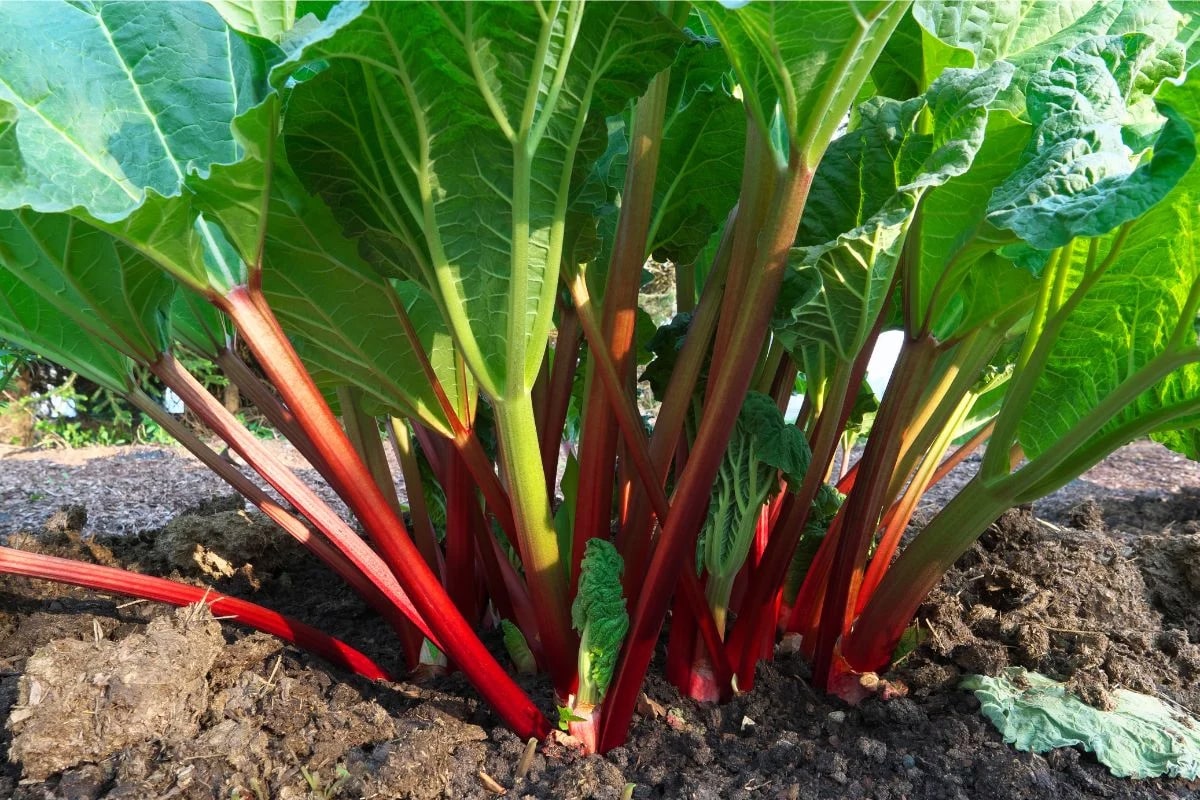
Medicinal Facts
Rheum rhabarbarum, commonly known as rhubarb, is a medicinal plant rich in anthraquinones, particularly emodin and rhein, which are its primary bioactive compounds. It sits at the intersection of traditional Chinese medicine, where it is used for digestive and liver health, and modern pharmacological research, which explores its potential in metabolic regulation and anti-inflammatory applications. The plant's therapeutic profile is defined by its laxative properties and its emerging role in modulating metabolic pathways. Its use is tempered by a need to balance therapeutic benefits with potential toxicity, particularly concerning oxalic acid content.
What it helps with
Digestive health & constipation
Rhubarb's anthraquinones, such as emodin and rhein, exert a laxative effect by inhibiting water absorption in the colon and stimulating peristalsis through modulation of the enteric nervous system. This action is supported by traditional use and validated in human trials, though care is needed to avoid dependency.
Liver protection
Emodin activates the Nrf2 pathway, enhancing the expression of antioxidant enzymes like glutathione S-transferase, which protect hepatocytes from oxidative stress. Animal studies suggest rhubarb may ameliorate liver damage, though human evidence is limited.
Metabolic syndrome
Rhein inhibits aldose reductase and modulates AMPK signaling, potentially improving insulin sensitivity and reducing hyperglycemia. Preclinical studies show promise, but human trials are needed to confirm efficacy.
Inflammation
Emodin and rhein inhibit NF-kB and COX-2, reducing the production of pro-inflammatory cytokines like TNF-a and IL-6. This anti-inflammatory action is observed in vitro and in animal models, with limited human data.
Cardiovascular health
Rhubarb's compounds may improve lipid profiles by activating PPAR-alpha, which enhances fatty acid oxidation. Animal studies indicate potential benefits for atherosclerosis, though clinical validation is required.
Cancer research
Emodin and rhein modulate apoptosis and cell cycle arrest through pathways such as p53 and caspase activation. Most evidence is preclinical, with studies focusing on colorectal and breast cancer models.
Kidney health
Rhein exhibits nephroprotective effects by reducing oxidative stress and inflammation in renal tissues, potentially through modulation of the TGF-beta pathway. Evidence is primarily from animal studies.
Bone health
Rhubarb's calcium content and its influence on osteoclast activity may support bone density, though the high oxalate content poses a risk for kidney stone formation. Traditional use suggests benefits, but clinical evidence is sparse.
Key active compounds
Emodin
An anthraquinone with laxative, anti-inflammatory, and anticancer properties. It inhibits NF-kB and modulates apoptosis pathways, though its bioavailability is limited.
Rhein
Another anthraquinone, known for anti-inflammatory and nephroprotective effects. It inhibits aldose reductase and modulates AMPK, with potential synergy with emodin.
Chrysophanol
A less abundant anthraquinone with anti-inflammatory and antimicrobial activities. It contributes to the overall pharmacological profile of rhubarb.
Aloe-emodin
Similar to emodin, it exhibits laxative and anticancer properties, particularly in modulating apoptosis and cell cycle pathways.
Tannins
Polyphenolic compounds that contribute to rhubarb's astringent properties and potential antimicrobial effects. They may also play a role in modulating gut microbiota.
Calcium oxalate
A compound contributing to rhubarb's calcium content but also posing a risk for kidney stone formation due to its oxalate component.
Sennosides
Though more common in senna, related compounds in rhubarb may contribute to its laxative action by stimulating colonic motility.
What the research says
Research on rhubarb focuses on its anthraquinones, with emodin and rhein showing the strongest preclinical evidence for anti-inflammatory and anticancer effects. Human studies are more limited, primarily addressing its traditional use for digestive health. The main limitation of rhubarb is its oxalate content, which can lead to kidney stones if consumed in excess. Strategies to mitigate this include using extracts standardized for anthraquinone content while minimizing oxalates, or combining with calcium-binding agents to reduce oxalate absorption.
Typical dosage
For a tea or infusion, use 1-2 teaspoons of dried rhubarb root per cup of boiling water, steep for 10-15 minutes, and drink up to twice daily. For tinctures, a typical dose is 1-2 ml taken 1-3 times daily. Capsules or powders should be taken according to the product's instructions, usually around 500 mg per dose. It's important to start with a low dose to assess tolerance, especially for its laxative effects.
About Rhubarb
Traditional Use
Preparations & Dosage
Preparations
- Tea / Infusion: To prepare rhubarb tea, steep 1-2 teaspoons of dried rhubarb root in a cup of boiling water for 10-15 minutes. Strain and serve warm. Honey or lemon can be added to taste.
- Tincture: Use a dropper to measure 1-2 ml of rhubarb tincture. Mix with a small amount of water or juice and consume up to three times daily.
- Capsule: Take rhubarb capsules as directed on the product label, usually around 500 mg per dose, with water.
- Powder: Mix 1/4 to 1/2 teaspoon of rhubarb powder into smoothies, juices, or water. Consume once daily.
Interactions & Warnings
Use with caution
Rhubarb leaves contain oxalic acid and anthraquinone glycosides, which can be toxic if ingested in large quantities. The stalks are generally safe when consumed in moderation. Pregnant and breastfeeding women should avoid medicinal doses. People with kidney stones or gout should use caution due to oxalate content.
Herb Interactions
Combining with other laxatives like senna may increase the risk of diarrhea and electrolyte imbalance.
Community Plants
Real plants of this species grown and shared by the MyFloralVault community.

More in Digestive Health


Was this helpful?
0 · 0
Care Guide Available
Learn how to grow and care for Rhubarb at home