Rambutan
Nephelium Lappaceum
Medicinal Facts
Nephelium lappaceum, commonly known as rambutan, is rich in diverse bioactive compounds, including flavonoids, phenolic acids, and ellagitannins. It sits at the intersection of traditional Southeast Asian medicine, where it is used for its antimicrobial and anti-inflammatory properties, and modern research focusing on its potential in metabolic health and antioxidant support. The fruit, seeds, and peel each offer distinct phytochemical profiles, contributing to its multifaceted therapeutic potential. Despite its broad traditional use, scientific exploration is still uncovering the mechanisms behind its health benefits.
What it helps with
Metabolic syndrome & diabetes
Rambutan peel extracts are rich in ellagitannins, which inhibit alpha-glucosidase and alpha-amylase enzymes, slowing carbohydrate digestion and absorption. This mechanism can help modulate postprandial blood glucose levels. Animal studies demonstrate improved insulin sensitivity and reduced blood glucose levels, although human trials are limited.
Antimicrobial activity
Ellagic acid and corilagin, found in rambutan, exhibit antimicrobial properties by disrupting bacterial cell walls and inhibiting microbial enzyme activity. These compounds have shown effectiveness against pathogens like Staphylococcus aureus and Escherichia coli in vitro, supporting traditional uses for infections.
Antioxidant support
The phenolic content in rambutan, particularly geraniin, acts by scavenging free radicals and upregulating endogenous antioxidant enzymes such as superoxide dismutase (SOD) and catalase. This activity is primarily observed in vitro and in animal models, with potential implications for reducing oxidative stress-related diseases.
Anti-inflammatory effects
Rambutan's flavonoids, including quercetin and kaempferol, inhibit the NF-kB pathway and reduce the expression of pro-inflammatory cytokines like TNF-alpha and IL-6. This mechanism underlies its traditional use in inflammatory conditions, though human evidence remains sparse.
Cardiovascular health
Rambutan seed extracts contain oleic acid and arachidic acid, which may improve lipid profiles by modulating PPAR-alpha activity, reducing triglycerides, and increasing HDL cholesterol. Preliminary animal studies suggest potential cardiovascular benefits, though clinical trials are needed.
Skin health & wound healing
The tannins and flavonoids in rambutan promote collagen synthesis and exhibit antimicrobial properties, aiding in wound healing and skin health. Topical applications in traditional medicine are supported by in vitro studies showing enhanced fibroblast activity and reduced microbial load.
Weight management
Rambutan seed extracts, containing conjugated linoleic acid, may influence lipid metabolism by activating AMPK, leading to increased fatty acid oxidation and reduced adipogenesis. Animal studies suggest potential benefits for weight management, though human data are lacking.
Key active compounds
Ellagitannins
Polyphenolic compounds that inhibit carbohydrate-digesting enzymes and exhibit antimicrobial activity. They are poorly absorbed, but their metabolites in the gut may contribute to systemic effects.
Ellagic acid
A phenolic acid with strong antioxidant and antimicrobial properties. It binds to bacterial cell walls, disrupting their integrity and function.
Geraniin
A hydrolysable tannin with potent free radical scavenging abilities. It enhances endogenous antioxidant enzyme activities, contributing to its protective effects against oxidative stress.
Quercetin
A flavonoid that modulates the NF-kB pathway, reducing inflammation. It also enhances endothelial function and exhibits vascular protective effects.
Corilagin
A tannin with antimicrobial and anti-inflammatory properties, inhibiting microbial enzyme activity and reducing pro-inflammatory cytokine production.
Oleic acid
A monounsaturated fatty acid found in rambutan seeds that modulates lipid metabolism via PPAR-alpha activation, potentially benefiting cardiovascular health.
Conjugated linoleic acid
A fatty acid that influences lipid metabolism by activating AMPK, promoting fatty acid oxidation and reducing fat storage.
What the research says
Research on rambutan focuses on its antimicrobial, antioxidant, and metabolic effects. Ellagitannins and ellagic acid have the most robust in vitro evidence, demonstrating antimicrobial and enzyme inhibitory activities. Animal studies support potential benefits in metabolic syndrome and cardiovascular health, with compounds like oleic acid and conjugated linoleic acid showing promise. However, human clinical trials are scarce, and the primary limitation is the bioavailability of these compounds. Strategies to enhance absorption, such as formulation with bioenhancers or use of whole plant extracts, are being explored to maximize therapeutic potential.
Typical dosage
For general health benefits, consume 2-3 fresh rambutans daily. If using rambutan extract, follow the manufacturer's instructions, typically around 500 mg per day. For tea, steep 1-2 teaspoons of dried rambutan peel in hot water for 10 minutes and drink up to twice daily.
About Rambutan
Traditional Use
Preparations & Dosage
Preparations
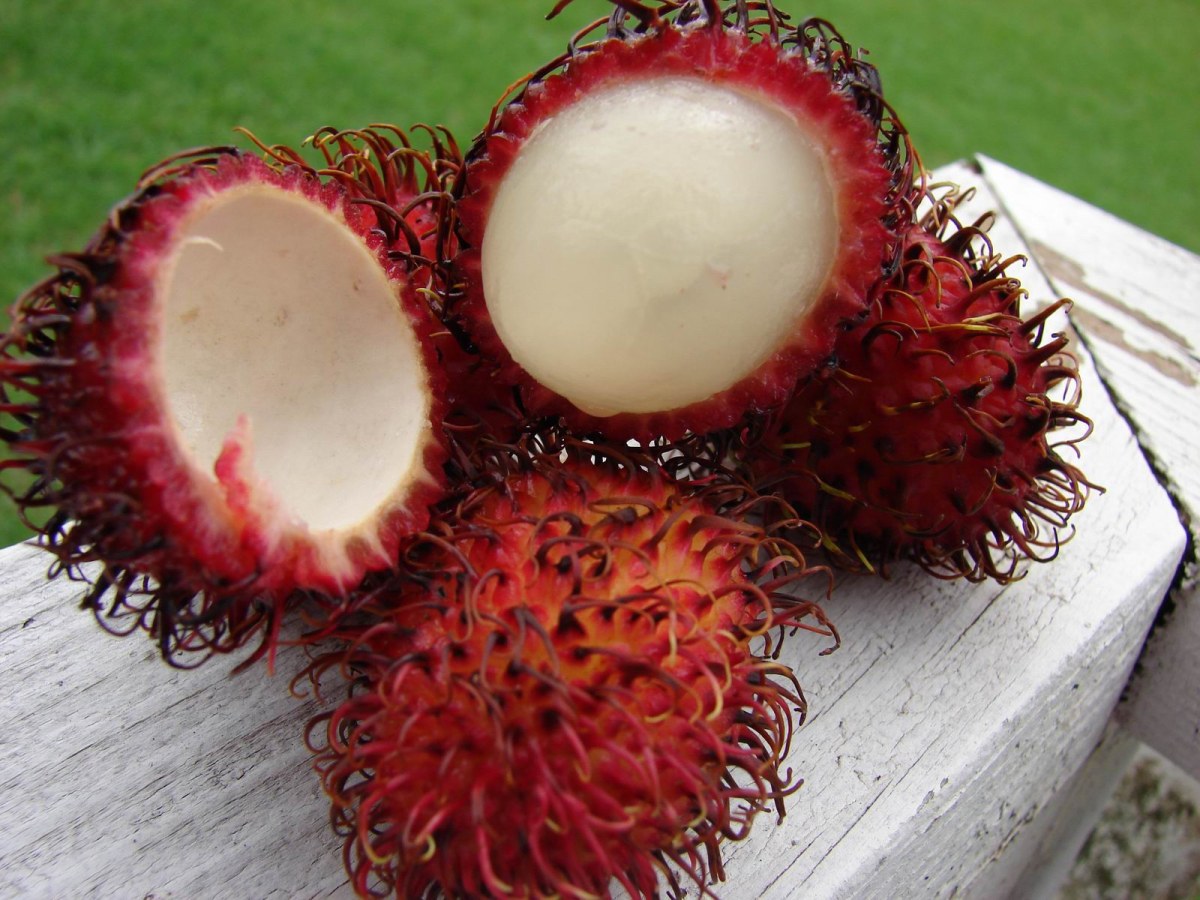
- Fruit: Peel the rambutan by cutting through the skin and removing the hairy exterior. Eat the juicy flesh, avoiding the seed. Can be consumed fresh or added to fruit salads.
- Juice: Blend peeled rambutan flesh with water and strain to remove pulp. Sweeten with honey if desired. Serve chilled.
- Extract: Follow the manufacturer's instructions for dosage. Typically taken in capsule or liquid form.
- Tea / Infusion: Use dried rambutan peel. Steep 1-2 teaspoons in hot water for 10 minutes. Strain and serve warm.
Interactions & Warnings
Use with caution
Rambutan is generally safe for consumption, but the seeds and peel should not be eaten raw as they can be toxic. People with allergies to fruits in the Sapindaceae family should exercise caution.
Community Plants
Real plants of this species grown and shared by the MyFloralVault community.

More in Digestive Health


Was this helpful?
0 · 0
Care Guide Available
Learn how to grow and care for Rambutan at home