Midyim
Austromyrtus dulcis

Medicinal Facts
Austromyrtus dulcis is rich in phenolic compounds and flavonoids, which contribute to its antioxidant and anti-inflammatory properties. This plant sits at the intersection of traditional Indigenous Australian medicine and modern herbal research, with applications in digestive health and skin care. Its primary limitation is the need for more extensive clinical studies to validate its health benefits.
What it helps with
Digestive health
The phenolic compounds in Austromyrtus dulcis may help alleviate bloating and nausea by modulating gut flora and promoting digestive enzyme activity.
Skin health
Antioxidants from the berries can protect skin cells from oxidative damage, potentially reducing signs of aging and promoting skin hydration.
Anti-inflammatory support
Flavonoids in the plant may inhibit pro-inflammatory cytokines, providing relief for conditions characterized by inflammation.
Antioxidant support
The high concentration of antioxidants helps neutralize free radicals, which can contribute to chronic diseases and aging.
Key active compounds
Phenolic compounds
Act as antioxidants that scavenge free radicals and reduce oxidative stress.
Flavonoids
Modulate inflammatory pathways and provide protective effects against cellular damage.
Tannins
Contribute to the astringent properties and may support digestive health.
Vitamins (C and E)
Essential for skin health and antioxidant defense.
What the research says
Current research on Austromyrtus dulcis focuses on its antioxidant and anti-inflammatory properties, with preliminary studies suggesting potential benefits for digestive health and skin care. The presence of phenolic compounds and flavonoids is well-supported in literature, indicating their role in reducing oxidative stress and inflammation. However, the primary limitation remains the lack of extensive clinical trials to confirm these benefits in human populations.
Typical dosage
For tea or infusion, use 1-2 teaspoons of dried leaves or berries per cup of boiling water. Steep for 5-10 minutes and consume up to 2-3 times daily. For tincture, a common dosage is 1-2 ml taken 2-3 times daily. If using powder, 1-2 grams can be added to smoothies or yogurt once daily. Always consult a healthcare provider for personalized dosage recommendations.
About Midyim
Preparations & Dosage
Preparations
- Tea / Infusion: To prepare tea, use 1-2 teaspoons of dried leaves or berries in a cup of boiling water. Steep for 5-10 minutes, strain, and enjoy. Sweeten if desired.
- Tincture: Combine 1 part dried herb with 5 parts alcohol (e.g., vodka) in a jar. Seal and let sit for 4-6 weeks, shaking occasionally. Strain and store in a dark bottle.
- Powder: Dried berries can be ground into a fine powder using a spice grinder. Store in an airtight container.
Interactions & Warnings
Use with caution
Austromyrtus dulcis is generally considered safe for consumption, but individuals with allergies to the Myrtaceae family should exercise caution. Pregnant or breastfeeding women should consult a healthcare provider before use.
Community Plants
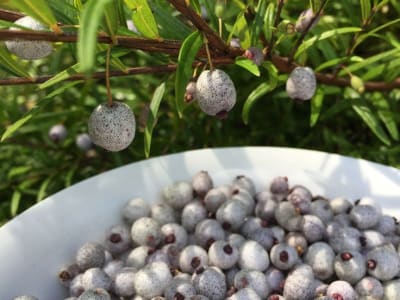
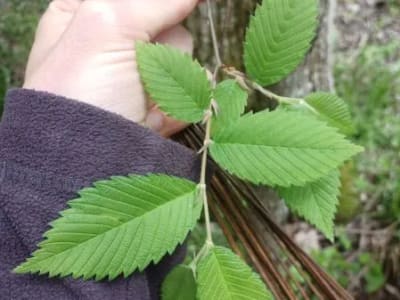
Real plants of this species grown and shared by the MyFloralVault community.
More in Digestive Health




Was this helpful?
0 · 0