Mama Cadela
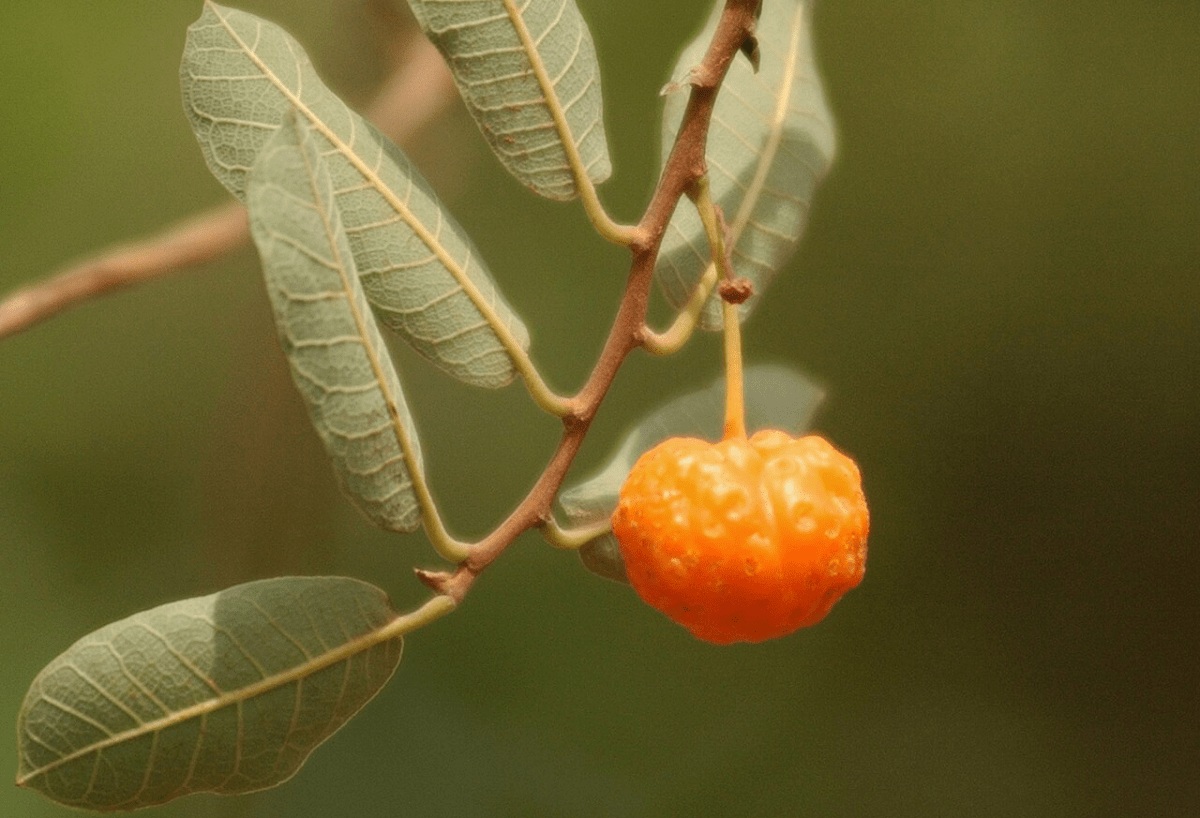
Brosimum Gaudichaudii
Medicinal Facts
Brosimum gaudichaudii, commonly known as Mama Cadela, is renowned for its rich content of psoralen and bergapten, furanocoumarins that are pivotal in its therapeutic applications. It sits at the intersection of traditional Brazilian medicine, where it is used for skin conditions like vitiligo and leprosy, and modern dermatological research, which explores its role in photochemotherapy. The plant's potential is harnessed through its ability to modulate melanogenesis and its phototoxic properties, which are central to its dermatological applications.
What it helps with
Vitiligo
Psoralen and bergapten are furanocoumarins that intercalate with DNA and, upon UV exposure, form cross-links that stimulate melanocyte proliferation and melanin production. This mechanism underpins its use in PUVA (psoralen + UVA) therapy for vitiligo, where it helps repigment skin. Evidence is primarily from traditional use and small clinical studies.
Leprosy
Traditionally, Mama Cadela is used to support skin health in leprosy, possibly due to its antimicrobial properties. The exact mechanism is less defined, but psoralen's ability to enhance skin barrier function and modulate immune response may contribute. Historical use is well-documented, though modern clinical evidence is sparse.
Psoriasis
Bergapten modulates keratinocyte proliferation and differentiation, potentially through pathways involving NF-kB and MAPK. Its phototoxic properties, similar to psoralen, suggest a role in reducing hyperproliferation in psoriasis. Evidence is mostly preclinical, with some traditional use reports.
Hyperpigmentation disorders
Psoralen enhances melanogenesis by increasing tyrosinase activity, a key enzyme in melanin synthesis. This action is beneficial in conditions where increased pigmentation is desired. Studies are limited, but traditional use supports its efficacy.
Antimicrobial effects
Furanocoumarins like psoralen exhibit antimicrobial activity, possibly by intercalating with microbial DNA and disrupting replication. This property supports its traditional use in treating skin infections. Evidence is largely from in vitro studies.
Photoprotection
While primarily phototoxic, psoralen can also induce a protective melanin response that may offer some photoprotection. This dual role is complex and suggests careful application in phototherapy. Research is ongoing, with traditional insights guiding modern exploration.
Wound healing
The plant's compounds may enhance collagen synthesis and fibroblast activity, supporting wound repair. This is hypothesized from its traditional use in skin healing, though specific molecular pathways remain under investigation.
Key active compounds
Psoralen
A furanocoumarin that intercalates with DNA, forming cross-links upon UV exposure. It is crucial in PUVA therapy for skin repigmentation and has notable phototoxic properties.
Bergapten
Another furanocoumarin with similar DNA intercalating properties as psoralen. It modulates keratinocyte function and is involved in phototherapy applications.
Brosimone A
A unique compound to Brosimum species, with potential anti-inflammatory and antioxidant effects, though its specific mechanisms are less well-characterized.
Brosimone B
Similar to Brosimone A, it may contribute to the plant's overall anti-inflammatory profile, potentially through modulation of cytokine production.
Bergaptol
A derivative of bergapten, it may have a role in enhancing the phototoxic effects of furanocoumarins, though its pharmacokinetics are less understood.
Xanthotoxin
A furanocoumarin known for its use in photochemotherapy, similar to psoralen. It binds DNA and modulates cellular responses to UV light.
What the research says
Research on Brosimum gaudichaudii focuses heavily on its dermatological applications, particularly in vitiligo and psoriasis. Psoralen and bergapten have the most robust evidence base, with human studies supporting their use in PUVA therapy for vitiligo. Preclinical studies explore broader skin health applications, including antimicrobial and wound healing effects, though these remain less clinically validated. The main limitation is the phototoxicity of its active compounds, which requires careful dosing and UV exposure management in therapeutic settings. Advances in formulation and delivery, such as topical applications and controlled UV exposure, aim to mitigate these challenges.
Typical dosage
For topical applications, a decoction or infusion of the bark or roots can be applied to the affected area once or twice daily. It is important to conduct a patch test before widespread use. For decoctions, use approximately 10 grams of the dried plant material per 500 ml of water, simmered for 20 minutes. Allow to cool before applying. Avoid excessive sun exposure after application due to potential photosensitivity.
About Mama Cadela
Traditional Use
Preparations & Dosage
Preparations
- Topical application: Prepare a decoction by boiling 10 grams of dried bark or roots in 500 ml of water for 20 minutes. Allow to cool, strain, and apply to the affected skin areas using a clean cloth or cotton pad. Leave on for 20-30 minutes before rinsing off.
- Decoction: Boil 10 grams of dried plant material in 500 ml of water for 20 minutes. Strain and allow to cool before using as a wash or compress for skin conditions.
- Poultice: Crush fresh or dried plant material into a paste and apply directly to the skin. Cover with a clean cloth and leave on for 30 minutes before rinsing.
Interactions & Warnings
Use with caution
Brosimum gaudichaudii should be used with caution, especially in individuals with sensitive skin or allergies. Pregnant or breastfeeding women should avoid its use due to insufficient safety data. Always perform a patch test before topical application to check for adverse reactions.
Herb Interactions
May increase photosensitivity when used together, leading to a higher risk of sunburn.
Community Plants
Real plants of this species grown and shared by the MyFloralVault community.
More in Skin & Wound Care


Was this helpful?
0 · 0
Care guides for related plants
Care Guide Available
Learn how to grow and care for Mama Cadela at home