Aztec Marigold
Tagetes Erecta
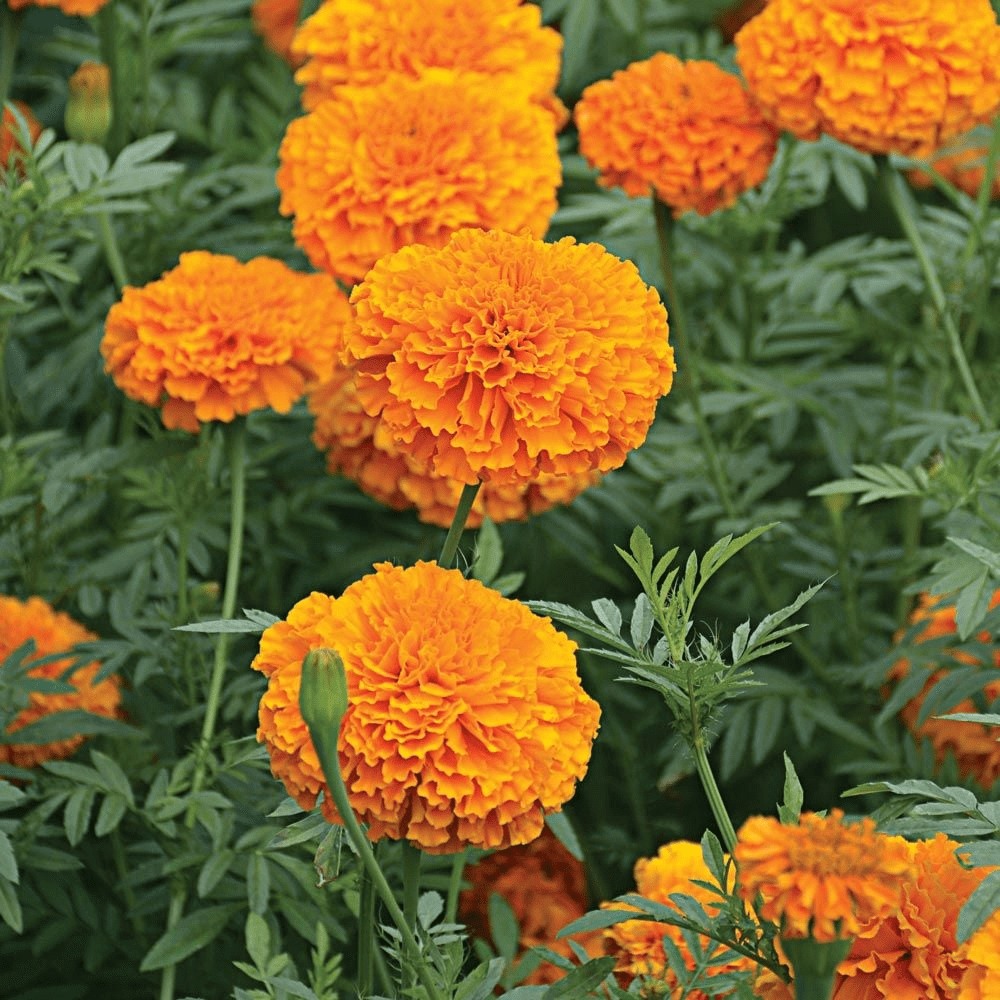
Medicinal Facts
Tagetes erecta, commonly known as Aztec Marigold, is rich in carotenoids such as lutein and zeaxanthin, alongside thiophenes like alpha-terthienyl. It stands at the intersection of traditional Mexican and Central American herbal practices, where it is used for skin and digestive health, and modern phytochemical research focusing on its antimicrobial and anti-inflammatory properties. Its vibrant pigments are studied for ocular health, while its essential oils are explored for their nematocidal and insecticidal activities.
What it helps with
Ocular health
Lutein and zeaxanthin are carotenoids that accumulate in the retina, where they filter harmful blue light and neutralize free radicals. These compounds are linked to a reduced risk of age-related macular degeneration (AMD) through their antioxidant properties. Human trials suggest dietary intake of these carotenoids supports visual acuity and reduces the progression of AMD.
Antimicrobial activity
Alpha-terthienyl, a thiophene compound, exhibits significant antimicrobial properties by generating reactive oxygen species (ROS) upon exposure to light, which damages microbial cell membranes and DNA. This phototoxic mechanism has been demonstrated in vitro against a range of bacteria and fungi, with traditional uses corroborating its efficacy in treating infections.
Inflammation modulation
The essential oils of Tagetes erecta contain compounds like limonene and ocimene, which inhibit the NF-kB pathway, reducing the expression of pro-inflammatory cytokines such as TNF-alpha and IL-6. Animal studies support its use in reducing inflammation, although human data are limited.
Digestive support
Traditionally used for digestive issues, Tagetes erecta's essential oils have been shown to relax smooth muscle and reduce spasms, likely through modulation of calcium channels and muscarinic receptors. This effect is supported by animal studies, providing a basis for its use in functional gastrointestinal disorders.
Skin health & wound healing
The flavonoids and carotenoids in Tagetes erecta promote collagen synthesis and enhance wound healing through the activation of TGF-beta signaling pathways. Topical applications have been traditionally used for their soothing and healing properties, supported by preclinical models showing enhanced re-epithelialization.
Nematocidal and insecticidal activity
The thiophene compounds, particularly alpha-terthienyl, exhibit nematocidal activity by interfering with the nervous system of nematodes. This is achieved through inhibition of acetylcholinesterase, leading to paralysis and death. This property is well-documented in agricultural settings for pest control.
Antioxidant support
The high concentration of carotenoids like lutein and zeaxanthin provides potent antioxidant effects, scavenging free radicals and protecting cellular components from oxidative damage. This is supported by both in vitro studies and traditional uses, where the plant is consumed for general health maintenance.
Key active compounds
Lutein
A xanthophyll carotenoid that accumulates in the retina, filtering blue light and acting as an antioxidant. It is crucial for maintaining eye health and is better absorbed with dietary fats.
Zeaxanthin
Another xanthophyll carotenoid similar to lutein, playing a role in eye health by protecting against oxidative stress and light-induced damage. It works synergistically with lutein.
Alpha-terthienyl
A thiophene with phototoxic properties that generates reactive oxygen species under UV light, exhibiting antimicrobial and nematocidal activities. Its efficacy is enhanced in light-rich environments.
Limonene
A monoterpene found in the essential oil, known for its anti-inflammatory and potential anti-cancer properties. It modulates NF-kB signaling and enhances the absorption of other compounds.
Ocimene
A monoterpene with anti-inflammatory properties, contributing to the essential oil's overall efficacy. It inhibits the NF-kB pathway and has shown insect-repelling properties.
Flavonoids
Compounds like quercetin and patuletin that provide antioxidant and anti-inflammatory effects, supporting skin health and enhancing wound healing through TGF-beta signaling.
Carotenoids
Beyond lutein and zeaxanthin, these compounds contribute to the plant's antioxidant capacity, protecting against cellular oxidative stress and supporting overall health.
What the research says
Research on Tagetes erecta highlights its dual role in traditional medicine and modern phytotherapy. The carotenoids, particularly lutein and zeaxanthin, have the strongest human evidence, with multiple studies supporting their role in eye health and AMD prevention. The antimicrobial and nematocidal properties of alpha-terthienyl are well-documented in vitro and in agricultural contexts, though clinical applications are less explored. The main limitations in using Tagetes erecta therapeutically include the need for light exposure to activate certain compounds like alpha-terthienyl and the variability in essential oil composition. Formulation strategies often focus on enhancing bioavailability and standardizing active compound concentrations to ensure consistent efficacy.
Typical dosage
For tea or infusion, use 1-2 teaspoons of dried flowers per cup of boiling water, steep for 10 minutes, and consume up to three times daily. For tinctures, a typical dosage is 1-2 ml taken up to three times a day. When using essential oil, dilute with a carrier oil before topical application. For poultices, apply directly to the affected area and cover with a clean cloth. Always perform a patch test before extensive topical use.
About Aztec Marigold
Traditional Use
Preparations & Dosage
Preparations
- Tea / Infusion: Use 1-2 teaspoons of dried Tagetes erecta flowers per cup of boiling water. Steep for 10 minutes, strain, and serve. Optionally, add honey or lemon for taste.
- Tincture: Combine 1 part dried Tagetes erecta flowers with 5 parts alcohol (such as vodka) in a glass jar. Seal and store in a cool, dark place for 4-6 weeks, shaking occasionally. Strain and store the tincture in a dark glass bottle.
- Poultice: Crush fresh Tagetes erecta leaves and flowers into a paste. Apply directly to the affected area and cover with a clean cloth or bandage.
Interactions & Warnings
Use with caution
Tagetes erecta should be used with caution as it can cause skin irritation in sensitive individuals. Pregnant or breastfeeding women should avoid its use due to insufficient safety data. It may also interact with certain medications, so consultation with a healthcare provider is advised.
Herb Interactions
May enhance sedative effects when combined, leading to increased drowsiness.
Community Plants
Real plants of this species grown and shared by the MyFloralVault community.

More in Skin & Wound Care


Was this helpful?
0 · 0