Aztec Marigold
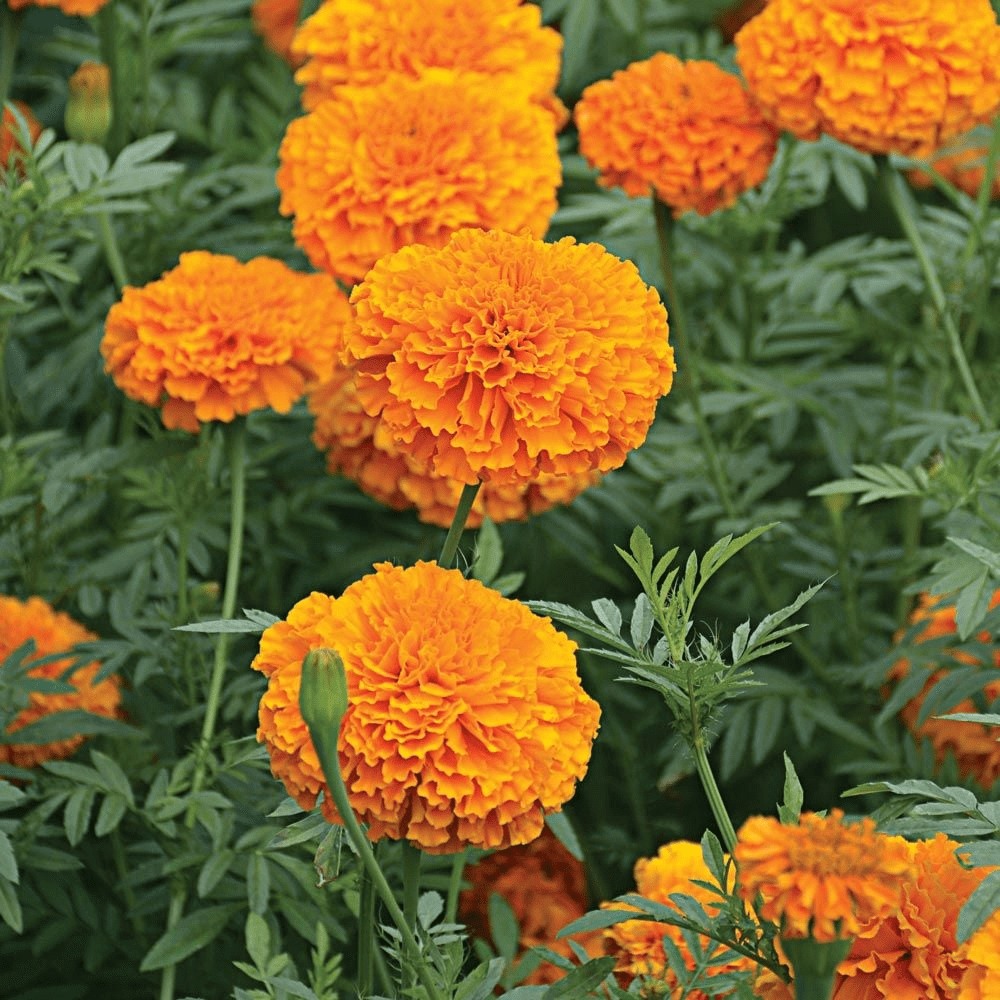
Description by @jominime
source of lutein and zeaxanthin which protects against macular degeneration, cataracts, diabetic retinopathy, and blue light damage from screens.
marigold flowers contain 50-100 times more lutein per gram than spinach or kale. used as a flower decoction eye wash for conjunctivitis, dry eye, and eye irritation.
good for cervical cancer, breast cancer, colon cancer, liver cancer, and skin cancer.
marigold lutein kills cervical cancer cells (HeLa) by triggering reactive oxygen species in cancer cells (which have weak antioxidant defenses), activating Bax to release cytochrome c, then activating caspase-3 to execute apoptosis. selective for cancer cells because healthy cells can buffer the ROS but cancer cells can't. also documented against breast, colon, liver (HepG2), and skin cancers through similar carotenoid and flavonoid mechanisms.
companion plant in vegetable gardens to clean soil AND kill nematodes at the same time.
secretes alpha-terthienyl from root tissue, killing parasitic nematodes (root-knot nematodes and lesion nematodes that damage tomatoes, potatoes, and peppers).
hyperaccumulates cadmium, copper, lead, zinc, chromium, and nickel from contaminated soils.
kills bacteria (Staph aureus, E. coli, Pseudomonas, Klebsiella, Salmonella, Strep mutans which causes cavities) and fungi (Candida, Aspergillus, ringworm, Fusarium).
natural insect repellent. essential oil kills mosquito larvae of Aedes aegypti, Anopheles, and Culex.
also repels adult mosquitoes when applied topically. companion planting with vegetables reduces aphid, whitefly, thrips, and nematode damage.
applied topically as a flower poultice, fresh crushed flowers, or oil infusion. good for cuts, scrapes, burns, surgical wounds, slow-healing ulcers, and pressure sores.
traditionally used for menstrual irregularities and as a mild period inducer. may have antifertility effects at concentrated doses. avoid during pregnancy because of possible uterine stimulating effects.
Used as natural orange-yellow food colorant (E161b) in butter, cheese, eggs, poultry feed (the source of yellow egg yolks and yellow chicken skin), and pet food.
Related Plants
Plant information is for educational purposes only.