Cupuaçu
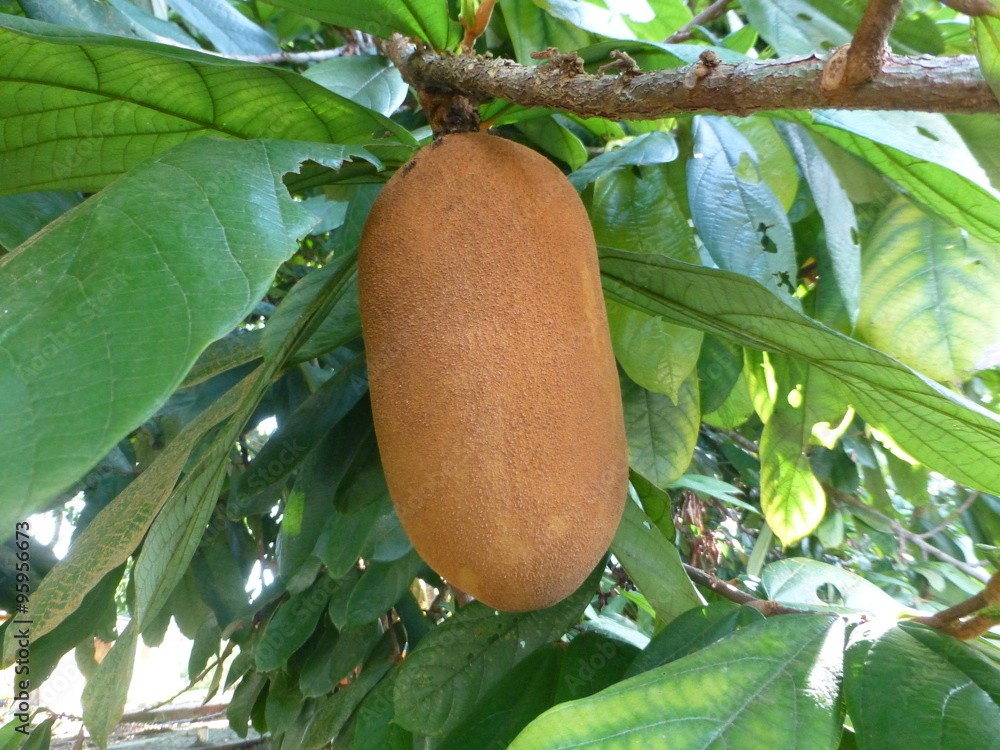
Theobroma Grandiflorum
Medicinal Facts
Cupuaçu, Theobroma grandiflorum, is rich in unique polyphenols such as theograndins, and sits at the intersection of traditional Amazonian healing practices and emerging antioxidant research. It is closely related to cacao and shares some of its flavonoid profile, but with distinct compounds that offer anti-inflammatory and lipid-modulating effects. The seeds and pulp are both used, with the pulp being particularly noted for its high vitamin C content, which contributes to its skin and immune health benefits. Modern interest focuses on its potential for cardiovascular support and skin health, driven by its unique phytochemical composition.
What it helps with
Cardiovascular health
Cupuaçu polyphenols, including theograndins, may support cardiovascular health by modulating lipid profiles and reducing oxidative stress. These compounds inhibit LDL oxidation and enhance endothelial nitric oxide synthase (eNOS) activity, promoting vasodilation. Evidence is primarily from in vitro studies and animal models, highlighting the need for human trials to confirm these effects.
Skin health & hydration
The high concentration of polyphenols and vitamin C in cupuaçu pulp supports skin health by enhancing collagen synthesis and reducing oxidative damage. Theograndins inhibit matrix metalloproteinases, enzymes that degrade collagen, while vitamin C acts as a cofactor in collagen formation. This dual action is traditionally appreciated in Amazonian skincare and is supported by preliminary in vitro studies.
Immune support
Cupuaçu's vitamin C content, along with its polyphenolic compounds, may enhance immune function by modulating cytokine production and reducing oxidative stress. Theograndins and catechins can inhibit NF-kB activation, a pathway involved in inflammatory responses. While traditional use supports its role in immune health, clinical evidence is still emerging.
Anti-inflammatory effects
Theograndins and catechins in cupuaçu exhibit anti-inflammatory properties by inhibiting the COX-2 enzyme and downregulating NF-kB signaling. This reduces the production of pro-inflammatory cytokines like TNF-alpha and IL-6. Animal studies have demonstrated these effects, but human trials are needed to establish clinical relevance.
Lipid metabolism
Cupuaçu may aid in lipid metabolism through the action of its polyphenols, which can activate AMP-activated protein kinase (AMPK), a key regulator of lipid and glucose metabolism. This activation can lead to reduced lipogenesis and enhanced fatty acid oxidation, as observed in preclinical studies.
Cognitive support
The antioxidant properties of cupuaçu's polyphenols, particularly catechins, may offer neuroprotective benefits by reducing oxidative stress in neuronal cells. This is thought to protect against neurodegenerative processes, although evidence is primarily from in vitro studies and requires further validation in human trials.
Digestive health
Traditionally, cupuaçu is used to support digestive health, potentially due to its fiber content and polyphenolic compounds that may modulate gut microbiota. Theograndins and catechins have been shown to inhibit pathogenic bacteria while promoting beneficial strains, in line with traditional uses and early scientific investigations.
Key active compounds
Theograndins
Unique polyphenols specific to cupuaçu, they exhibit strong antioxidant activity by scavenging free radicals and inhibiting lipid peroxidation. They also modulate inflammatory pathways by inhibiting COX-2 and NF-kB.
Catechins
Flavonoids that contribute to the antioxidant and anti-inflammatory effects of cupuaçu. They modulate lipid metabolism and have been shown to support cardiovascular and cognitive health in preclinical studies.
Vitamin C
An essential vitamin that supports collagen synthesis and immune function. In cupuaçu, it enhances the fruit's antioxidant capacity and contributes to its skin health benefits.
Quercetin
A flavonoid with potent antioxidant properties that supports cardiovascular health by inhibiting LDL oxidation and promoting vasodilation through eNOS activation.
Procyanidins
Oligomeric flavonoids that contribute to the antioxidant profile of cupuaçu. They support vascular health and may aid in lipid metabolism by modulating AMPK activity.
Theobromine
An alkaloid that shares structural similarity with caffeine, providing mild stimulant effects. It may enhance mood and cognitive function, although its concentration in cupuaçu is lower than in cacao.
Fiber
Present in the pulp, it supports digestive health by promoting regular bowel movements and modulating gut microbiota. It also contributes to the fruit's traditional use in digestive wellness.
What the research says
Research on cupuaçu focuses on its antioxidant and anti-inflammatory properties, with theograndins and catechins being the most studied compounds. Preclinical studies highlight their role in cardiovascular and skin health, showing potential in modulating lipid profiles and enhancing collagen synthesis. While traditional uses are supported by these findings, human clinical trials are limited, particularly in areas like cognitive support and immune modulation. The main limitation in utilizing cupuaçu's benefits is the variability in polyphenol content depending on the source and preparation method, which can be addressed by standardizing extracts and conducting more rigorous human studies.
Typical dosage
For topical use, apply Cupuaçu butter or cream directly to the skin as needed for hydration and skin health. For oral consumption, Cupuaçu powder can be added to smoothies or juices, with a typical serving size being 1-2 tablespoons per day. Capsules containing Cupuaçu extract are also available, with a common dosage being 500 mg taken once or twice daily. It is advisable to start with a lower dose and adjust based on individual tolerance and needs.
About Cupuaçu
Traditional Use
Preparations & Dosage
Preparations
- Butter: Apply a small amount of Cupuaçu butter directly to the skin, massaging gently until absorbed. It can be used on dry or damp skin for enhanced hydration.
- Oil: Use Cupuaçu oil as a massage oil or add a few drops to bath water for skin nourishment. Can also be mixed with other carrier oils.
- Capsule: Take Cupuaçu capsules with water, typically 500 mg once or twice daily. Follow the manufacturer's instructions for specific dosage guidance.
- Topical cream: Apply Cupuaçu cream to affected areas of the skin, such as dry patches or wrinkles, twice daily for best results.
- Powder: Mix 1-2 tablespoons of Cupuaçu powder into smoothies, juices, or yogurt. Consume once daily for digestive and immune support.
Interactions & Warnings
Use with caution
Cupuaçu is generally considered safe for most people when used topically or consumed in moderate amounts. Those with allergies to similar plants in the Malvaceae family should exercise caution. Pregnant and breastfeeding women should consult a healthcare provider before use.
Herb Interactions
Both contain theobromine, which can enhance energy levels; excessive consumption may lead to overstimulation.
Community Plants
Real plants of this species grown and shared by the MyFloralVault community.
More in Skin & Wound Care


Was this helpful?
0 · 0