Mama Cadela
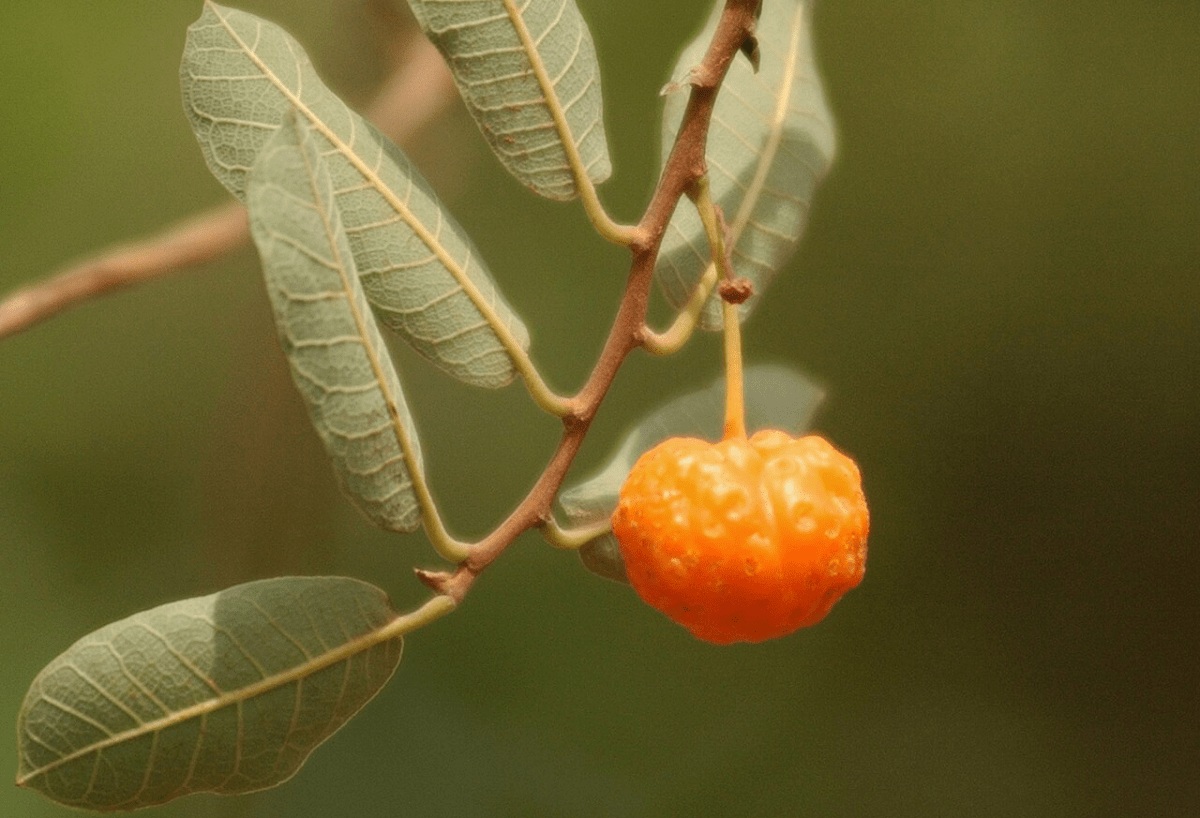
Description by @jominime
used to help treat vitiligo by producing melanin due to its high concentration of linear furanocoumarins (psoralen and bergapten) in the root bark. These compounds are photo-sensitizers that stimulate repigmentation when exposed to UV light.
Studies have shown that the extracts can stimulate melanocyte migration and pigmentation.
The root and stem bark are used in teas, infusions, and alcoholic extracts to stimulate melanin production.
Beyond vitiligo, it is used for psoriasis, eczema, and alopecia.
It is commercially available in Brazil as a topical solution or cream (sometimes branded as Viticromin) for vitiligo.
Studies indicate potential mutagenic activity in high doses, suggesting that it should be used with caution, but again, so should most food sold in american supermarkets.
the fruits are often described as sweet, sticky, and tasting similar to caramel or cotton candy. These edible, fibrous fruits are consumed raw, made into jams/jellies, or chewed like gum.
Related Plants
Plant information is for educational purposes only.