Kooboo-berry
Mystroxylon Aethiopicum

Medicinal Facts
Mystroxylon aethiopicum, commonly known as kooboo-berry, is a medicinal plant rich in flavonoids, alkaloids, and saponins. It sits at the intersection of traditional African medicine, where it is used for diabetes and digestive issues, and emerging research focused on its potential anti-diabetic and anti-inflammatory properties. The plant's unique combination of bioactive compounds offers a promising avenue for managing metabolic disorders and inflammatory conditions. Its traditional use as a natural sweetener also highlights its role in dietary management of blood sugar levels.
What it helps with
Diabetes & blood sugar regulation
Flavonoids in Mystroxylon aethiopicum, such as quercetin, inhibit alpha-glucosidase and alpha-amylase enzymes, reducing postprandial blood glucose spikes. Research suggests these compounds may enhance insulin sensitivity through the PI3K/Akt signaling pathway. Evidence includes traditional use and in vitro studies.
Anti-inflammatory effects
The plant's alkaloids, including mystroxine, modulate the NF-kB pathway, leading to decreased production of pro-inflammatory cytokines like TNF-alpha and IL-6. Animal studies show reduced inflammation markers, supporting its traditional use for inflammatory conditions.
Antioxidant support
Saponins and flavonoids in kooboo-berry enhance Nrf2-mediated expression of antioxidant enzymes such as superoxide dismutase (SOD) and catalase. This mechanism provides cellular protection against oxidative stress, as demonstrated in both in vitro and animal models.
Digestive health
Traditionally used for digestive issues, the saponins in Mystroxylon aethiopicum may enhance mucosal protection and modulate gut microbiota composition. Evidence from animal studies suggests a role in reducing symptoms of dyspepsia and improving gut health.
Cardiovascular health
Flavonoids in the plant improve endothelial function by upregulating endothelial nitric oxide synthase (eNOS), promoting vasodilation and reducing blood pressure. Preliminary studies suggest potential benefits in managing hypertension and atherosclerosis.
Antimicrobial activity
Mystroxylon aethiopicum exhibits antimicrobial properties, likely due to its alkaloid content, which disrupts bacterial cell walls and inhibits microbial enzymes. Traditional use for infections is supported by in vitro studies demonstrating efficacy against common pathogens.
Wound healing
The plant's saponins and flavonoids promote collagen synthesis and modulate TGF-beta signaling, accelerating wound healing. Topical application in traditional medicine is supported by animal studies showing enhanced skin regeneration and reduced inflammation.
Key active compounds
Quercetin
A flavonoid that inhibits alpha-glucosidase and alpha-amylase, modulates PI3K/Akt signaling, and exhibits antioxidant activity through Nrf2 activation.
Mystroxine
An alkaloid that modulates the NF-kB pathway, reducing pro-inflammatory cytokine production and exhibiting antimicrobial properties.
Saponins
Compounds that enhance mucosal protection, modulate gut microbiota, and promote collagen synthesis and wound healing.
Kaempferol
A flavonoid that supports cardiovascular health by upregulating eNOS and promoting vasodilation, with additional antioxidant effects.
Gallic acid
A phenolic acid with strong antioxidant properties, contributing to the plant's ability to scavenge free radicals and reduce oxidative stress.
Tannins
Polyphenolic compounds that exhibit astringent properties, contributing to antimicrobial activity and digestive system support.
What the research says
Research on Mystroxylon aethiopicum is primarily preclinical, with a focus on its anti-diabetic and anti-inflammatory properties. Flavonoids like quercetin and kaempferol have shown promising results in vitro and in animal models for blood sugar regulation and cardiovascular health. Alkaloids such as mystroxine demonstrate potential in reducing inflammation and providing antimicrobial effects, though human trials are limited. The main limitation remains the translation of these effects from animal models to human clinical outcomes. Addressing bioavailability and standardization of extracts could enhance the therapeutic potential and facilitate more robust human trials.
Typical dosage
For a decoction, use 1-2 teaspoons of dried leaves or bark per cup of water. Boil for 10-15 minutes, strain, and consume up to twice daily. For an infusion, steep 1 teaspoon of dried leaves in hot water for 5-10 minutes, strain, and drink once or twice daily. Tinctures can be taken at a dosage of 1-2 ml, up to three times a day. Poultices should be applied directly to the skin and changed every few hours.
About Kooboo-berry
Traditional Use
Preparations & Dosage
Preparations
- Decoction: Combine 1-2 teaspoons of dried leaves or bark with a cup of water. Bring to a boil, then simmer for 10-15 minutes. Strain and consume warm.
- Infusion: Place 1 teaspoon of dried leaves in a cup. Pour boiling water over the leaves and steep for 5-10 minutes. Strain before drinking.
- Tincture: Use a 1:5 ratio of dried plant material to alcohol. Let it steep for 4-6 weeks, shaking occasionally. Strain and store in a dark bottle.
- Poultice: Crush fresh leaves and mix with a small amount of water to form a paste. Apply directly to the skin and cover with a clean cloth.
Interactions & Warnings
Use with caution
Mystroxylon aethiopicum should be used with caution due to potential side effects and interactions with other medications. Pregnant and breastfeeding women should avoid it unless advised by a healthcare provider. It may interact with medications for blood pressure and diabetes.
Herb Interactions
May enhance digestive effects and increase risk of gastrointestinal upset.
Combined use may increase the risk of blood pressure lowering effects.
Community Plants
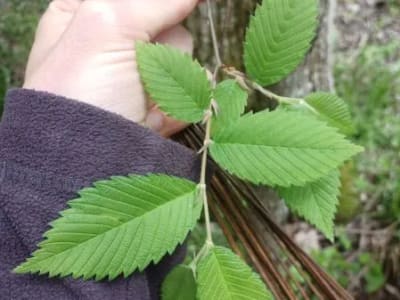
Real plants of this species grown and shared by the MyFloralVault community.

More in Digestive Health




Was this helpful?
0 · 0