Jicama
Pachyrhizus Erosus
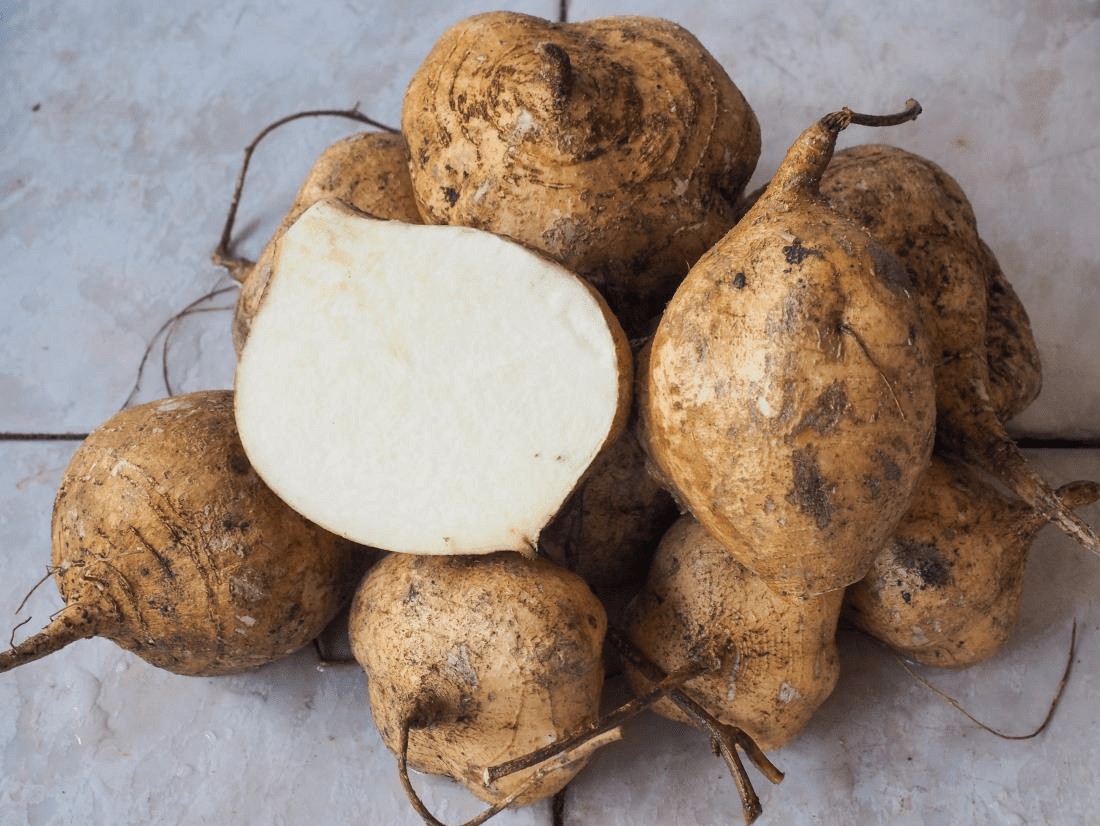
Medicinal Facts
Jicama, or Pachyrhizus erosus, is renowned for its high content of inulin, a prebiotic fiber, and a suite of isoflavones, including daidzein and genistein. It stands at the intersection of traditional Mexican dietary practices, where it is consumed for digestive health, and modern nutritional science, which explores its role in gut microbiota modulation and metabolic regulation. The tuber is also a source of vitamin C and other antioxidants, contributing to its use in supporting immune function and skin health.
What it helps with
Digestive health & prebiotic support
Jicama is rich in inulin, a fructan that resists digestion in the upper gastrointestinal tract and serves as a substrate for beneficial gut bacteria. This fermentation process enhances the production of short-chain fatty acids (SCFAs) like butyrate, which nourish colonocytes and modulate inflammatory pathways. Human trials highlight its role in promoting a balanced gut microbiota.
Blood sugar regulation
The fiber content, particularly inulin, slows carbohydrate absorption and moderates postprandial glucose spikes. Inulin enhances insulin sensitivity through the modulation of gut-derived incretins such as GLP-1. Animal models support its potential in managing glycemic control, though human data are emerging.
Cardiovascular health
Isoflavones like daidzein and genistein in jicama exhibit estrogenic activity, which may influence lipid metabolism and endothelial function. They modulate the expression of nitric oxide synthase (NOS) and reduce oxidative stress, with evidence from in vitro studies suggesting a cardioprotective effect.
Bone health
The isoflavones in jicama, particularly genistein, are known to interact with estrogen receptors, promoting osteoblastic activity and inhibiting osteoclastogenesis. This mechanism is supported by animal studies and suggests potential benefits in maintaining bone density, especially post-menopause.
Immune support
Jicama's vitamin C content acts as a co-factor for enzymatic reactions in immune cells, enhancing phagocytosis and T-cell proliferation. The antioxidant properties of vitamin C also protect immune cells from oxidative damage. Human studies correlate high vitamin C intake with reduced duration of common colds.
Skin health
Vitamin C in jicama is crucial for collagen synthesis, supporting skin structure and repair. It also acts as an antioxidant, reducing UV-induced oxidative damage. Topical and dietary applications are explored, with human trials indicating improved skin elasticity and reduced wrinkle formation.
Cancer-adjunct research
Isoflavones in jicama, such as genistein, have been shown to modulate cell cycle progression and induce apoptosis in cancer cells via pathways like PI3K/Akt and MAPK. Most evidence is preclinical, with in vitro and animal studies suggesting a potential role in cancer prevention.
Key active compounds
Inulin
A prebiotic fiber that resists digestion and ferments in the colon, promoting beneficial gut microbiota and SCFA production. It enhances mineral absorption and modulates glycemic response.
Daidzein
An isoflavone with estrogenic activity, it binds to estrogen receptors and influences lipid metabolism and bone health. It has moderate bioavailability and is metabolized by gut bacteria.
Genistein
Another isoflavone with significant estrogenic and antioxidant properties. It modulates signaling pathways like PI3K/Akt and MAPK, with implications for bone and cardiovascular health.
Vitamin C
An essential vitamin and antioxidant, it supports immune function and collagen synthesis. It is water-soluble and must be consumed regularly, as it is not stored in the body.
Saponins
These compounds have surface-active properties and exhibit cholesterol-lowering effects by binding to bile acids. They also possess antimicrobial activity.
Pachyrhizine
A lesser-known alkaloid with potential antimicrobial properties, though its pharmacokinetics and bioactivity require further study.
Fructooligosaccharides
Similar to inulin, these oligosaccharides enhance gut health by promoting beneficial bacteria and improving mineral absorption.
What the research says
Research on jicama predominantly focuses on its prebiotic effects and metabolic health benefits. Inulin and fructooligosaccharides demonstrate strong evidence in human studies for enhancing gut microbiota and moderating blood glucose levels. Isoflavones like daidzein and genistein are primarily supported by in vitro and animal studies for their roles in bone and cardiovascular health. The main limitation of jicama's therapeutic use is the variability in isoflavone content and bioavailability, which is addressed through dietary diversification and potential supplementation strategies.
Typical dosage
For raw consumption, a serving size of 100-150 grams of peeled jicama is recommended. When juicing, use one medium-sized jicama root per serving. In salads or stir-fries, incorporate 50-100 grams per portion. For soups, add diced jicama towards the end of cooking to preserve its crisp texture. Consume fresh preparations within 1-2 days for optimal taste and nutrient retention.
About Jicama
Traditional Use
Preparations & Dosage
Preparations
- Raw Consumption: Peel the jicama to remove the tough outer skin. Slice or dice the flesh into desired sizes and consume raw, either on its own or with a sprinkle of lime juice and chili powder for added flavor.
- Juice: Peel and chop jicama into small pieces. Blend with water until smooth, then strain through a fine mesh sieve or cheesecloth to remove pulp. Serve chilled.
- Salad: Peel and julienne jicama. Combine with other salad ingredients such as cucumber, carrots, and cilantro. Dress with lime juice and olive oil.
- Stir-fry: Peel and slice jicama into thin strips. Stir-fry with vegetables and protein of choice over medium heat for 5-7 minutes, adding sauces or spices as desired.
- Soup: Peel and dice jicama. Add to soups during the last 10 minutes of cooking to maintain its crisp texture. Season to taste.
Interactions & Warnings
Use with caution
While the tuber of Pachyrhizus erosus is edible and safe, the seeds, leaves, and stems contain rotenone, a toxic compound. Consumption of these parts should be avoided. Individuals with allergies to legumes should exercise caution.
Herb Interactions
Both may lower blood sugar levels; combined use should be monitored to avoid hypoglycemia.
Community Plants
Real plants of this species grown and shared by the MyFloralVault community.

More in Digestive Health


Was this helpful?
0 · 0
Care Guide Available
Learn how to grow and care for Jicama at home