Gutweed
Ulva Intestinalis
Medicinal Facts
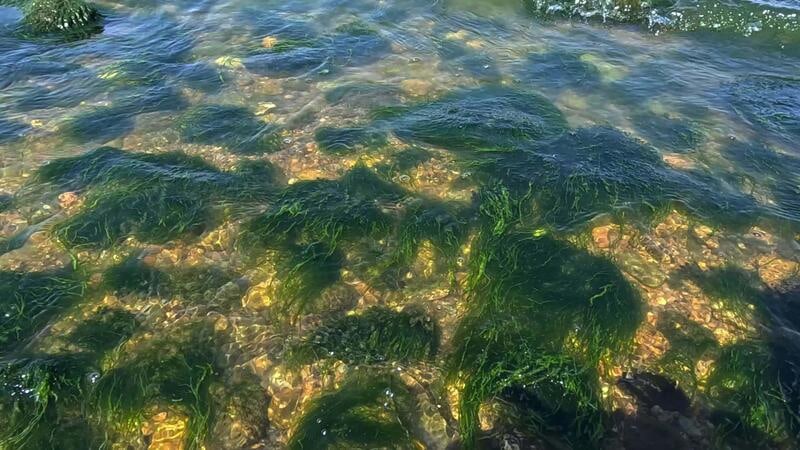
Ulva intestinalis, commonly known as Gutweed, is a green alga rich in bioactive compounds such as ulvan, a sulfated polysaccharide, and chlorophyll derivatives. It sits at the intersection of traditional marine-based remedies, particularly in coastal cultures for skin and digestive health, and modern research into its antioxidant and anti-inflammatory properties. Its polysaccharides are studied for their immunomodulatory effects, while chlorophyll offers potential photoprotective benefits. The algae's unique mineral content, including iodine, also contributes to its therapeutic profile.
What it helps with
Immune modulation
Ulvan, a sulfated polysaccharide from Ulva intestinalis, modulates immune responses by interacting with toll-like receptors (TLRs) and enhancing macrophage activity. It increases the production of cytokines such as IL-6 and TNF-alpha, which are crucial for immune defense. This action has been observed in vitro and in animal models, suggesting potential benefits for immune support.
Antioxidant support
The chlorophyll derivatives in Ulva intestinalis act as potent antioxidants by scavenging free radicals and reducing oxidative stress. These compounds activate the Nrf2 pathway, enhancing the expression of endogenous antioxidant enzymes like glutathione peroxidase. While human studies are limited, in vitro assays confirm significant free radical neutralization.
Anti-inflammatory effects
Ulvan inhibits the NF-kB pathway, which is a key regulator of inflammation. By suppressing this pathway, ulvan reduces the expression of pro-inflammatory cytokines and enzymes such as COX-2. Animal studies have demonstrated its potential to alleviate inflammatory conditions, though human trials are needed for confirmation.
Thyroid support
Ulva intestinalis is a natural source of iodine, essential for thyroid hormone synthesis. Iodine deficiency can lead to hypothyroidism, and the algae's iodine content may support thyroid function by ensuring adequate hormone production. This traditional use is supported by the high bioavailability of iodine from marine sources.
Digestive health
The dietary fibers in Ulva intestinalis, including ulvan, promote gut health by acting as prebiotics that stimulate the growth of beneficial gut microbiota. This can enhance digestive function and improve nutrient absorption. Animal studies suggest a positive impact on gut microbiome composition, although human data are sparse.
Skin protection
Chlorophyll derivatives in Ulva intestinalis provide photoprotective effects by absorbing UV radiation and reducing skin damage. They also enhance wound healing through the activation of TGF-beta signaling, which promotes collagen synthesis. Topical applications are traditionally used for sunburn and minor wounds.
Metabolic health
Ulvan may support metabolic health by modulating lipid metabolism. It affects the AMPK pathway, which plays a role in energy balance and lipid homeostasis. Animal studies indicate a potential for reducing hyperlipidemia and improving insulin sensitivity, though clinical trials are needed to substantiate these effects.
Key active compounds
Ulvan
A sulfated polysaccharide with immunomodulatory and anti-inflammatory properties. It binds to toll-like receptors, enhancing immune responses, and inhibits NF-kB, reducing inflammation.
Chlorophyll derivatives
Act as antioxidants and provide photoprotective effects. They activate the Nrf2 pathway and absorb UV light, reducing oxidative stress and skin damage.
Iodine
Essential for thyroid hormone synthesis. Supports thyroid function by ensuring adequate hormone levels, with high bioavailability from Ulva intestinalis.
Minerals (calcium, magnesium)
Contribute to bone health and metabolic processes. Calcium supports bone density, while magnesium is involved in over 300 enzymatic reactions.
Protein
Provides essential amino acids necessary for tissue repair and enzyme production. The protein content in Ulva intestinalis is notable for its nutritional value.
Beta-carotene
A precursor to vitamin A, important for vision and immune function. Acts as an antioxidant and supports skin health.
Polyphenols
Contribute to the antioxidant profile of Ulva intestinalis. They scavenge free radicals and may support cardiovascular health through vasodilation effects.
What the research says
Research on Ulva intestinalis is largely focused on its polysaccharides and chlorophyll derivatives. Ulvan has shown promise in preclinical studies for immune modulation and anti-inflammatory effects, particularly through NF-kB inhibition and cytokine modulation. Chlorophyll derivatives are studied for their antioxidant capacity and photoprotective effects, with in vitro evidence supporting their role in reducing oxidative stress. The main limitation in translating these findings to clinical use is the lack of human trials, particularly concerning the bioavailability and efficacy of these compounds in vivo. Efforts to enhance bioavailability, such as encapsulation and formulation with other bioactive compounds, are ongoing to address these challenges.
Typical dosage
For dried powder, a typical dosage is 1-2 teaspoons per day, mixed into smoothies or food. Capsules are often taken in doses of 500 mg to 1 g daily. For infusions, steep 1-2 teaspoons of dried gutweed in hot water for 10-15 minutes, consuming up to twice daily. Topical applications should be used as directed by a healthcare provider, particularly for skin conditions.
About Gutweed
Traditional Use
Preparations & Dosage
Preparations
- Infusion: Place 1-2 teaspoons of dried Ulva intestinalis in a cup. Pour boiling water over it and let it steep for 10-15 minutes. Strain and enjoy warm. Add honey or lemon for flavor if desired.
- Dried Powder: Add 1-2 teaspoons of dried Ulva intestinalis powder to smoothies, soups, or salads. Mix well to ensure even distribution.
- Capsule: Take 500 mg to 1 g of Ulva intestinalis capsules daily with water, preferably with meals to enhance absorption.
- Topical Application: Mix Ulva intestinalis powder with water to form a paste. Apply to the skin for 15-20 minutes, then rinse off. Use as needed for skin conditions.
Interactions & Warnings
Use with caution
Ulva intestinalis should be used with caution due to potential contamination with heavy metals and pollutants from marine environments. Individuals with thyroid conditions should consult a healthcare provider before use due to iodine content.
Herb Interactions
Both contain high iodine levels, which can affect thyroid function if consumed in large amounts.
Community Plants
Real plants of this species grown and shared by the MyFloralVault community.

More in Digestive Health


Was this helpful?
0 · 0