Galangal
Alpinia Galanga
Medicinal Facts
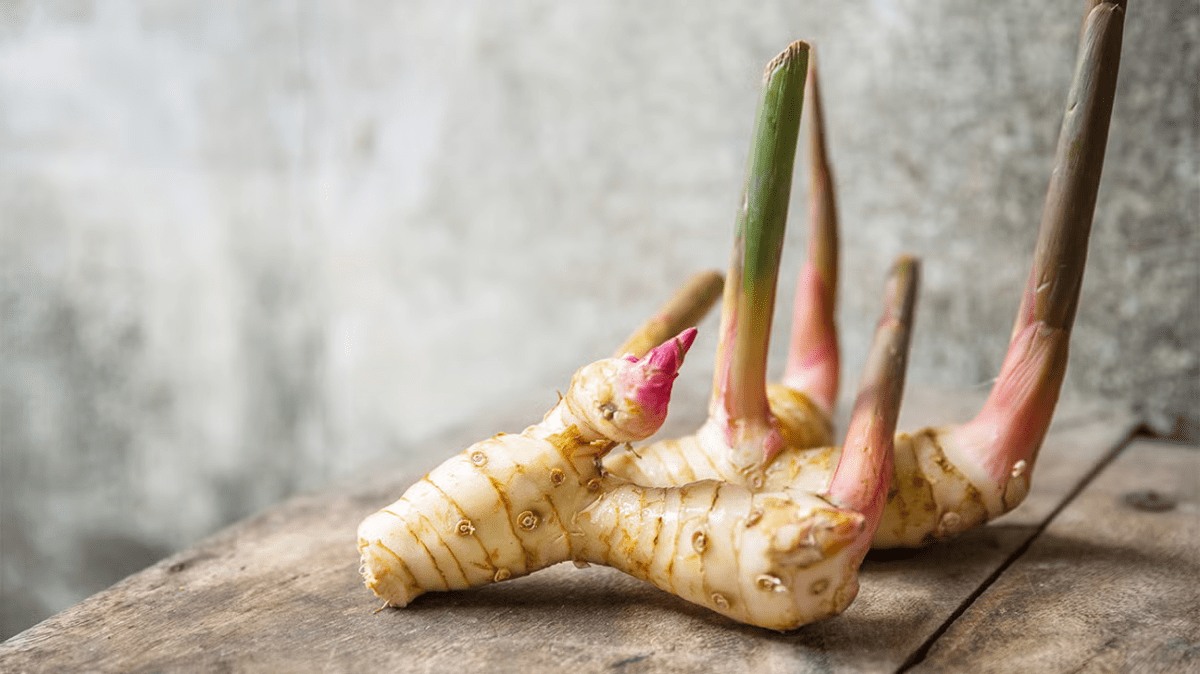
Alpinia galanga, commonly known as galangal, is renowned for its bioactive compounds such as 1'-acetoxychavicol acetate (ACA), galangin, and kaempferide. It stands at the intersection of traditional Southeast Asian medicine, where it is used for digestive and respiratory ailments, and modern pharmacological research focusing on its anti-inflammatory and antimicrobial properties. The plant's rhizome is a staple in culinary applications, which complements its medicinal use by enhancing bioavailability through dietary integration.
What it helps with
Digestive health
Galangin, a flavonoid found in galangal, modulates digestive enzymes and has been shown to inhibit Helicobacter pylori, a bacterium linked to peptic ulcers. Its action on gastric mucosa involves the suppression of COX-2 and NF-kB pathways, reducing inflammation and promoting mucosal healing. Evidence is primarily from traditional use and in vitro studies.
Respiratory health
1'-Acetoxychavicol acetate (ACA) exhibits potent anti-inflammatory and antimicrobial effects, particularly against respiratory pathogens. It inhibits the production of pro-inflammatory cytokines such as TNF-a and IL-6 by blocking NF-kB activation, which may alleviate symptoms of bronchitis and asthma. Preclinical studies support these effects, with traditional use as a respiratory tonic.
Anti-inflammatory effects
ACA and galangin both contribute to the anti-inflammatory profile of galangal by inhibiting NF-kB and COX-2, reducing the synthesis of inflammatory mediators. This action is supported by animal models and aligns with traditional uses for pain and inflammation.
Antimicrobial activity
Galangal's essential oils, rich in cineole and eugenol, exhibit broad-spectrum antimicrobial activity. They disrupt bacterial cell membranes and inhibit fungal growth, with notable efficacy against Candida species. This is supported by in vitro studies and aligns with its traditional use as a preservative and infection remedy.
Cancer-adjunct research
ACA has shown potential in preclinical cancer models by inducing apoptosis and inhibiting angiogenesis through the modulation of the PI3K/Akt and MAPK pathways. While promising, these effects are primarily observed in vitro and require further investigation in clinical settings.
Neuroprotection
Galangin has neuroprotective properties, potentially through the inhibition of oxidative stress and the modulation of GABA-A receptors. It may support cognitive function and protect against neurodegenerative processes, though evidence is largely preclinical.
Cardiovascular health
Galangin and ACA may support cardiovascular health by inhibiting platelet aggregation and enhancing endothelial function through the modulation of nitric oxide pathways. These effects are observed in animal studies and suggest potential benefits for heart health.
Key active compounds
1'-Acetoxychavicol acetate (ACA)
A phenylpropanoid known for its anti-inflammatory and anticancer properties. It inhibits NF-kB and COX-2, reducing inflammation and inducing apoptosis in cancer cells.
Galangin
A flavonoid with antioxidant, anti-inflammatory, and antimicrobial properties. It modulates NF-kB and COX-2 pathways and has been shown to inhibit Helicobacter pylori.
Kaempferide
A flavonoid that contributes to the antioxidant and anti-inflammatory effects of galangal. It inhibits oxidative stress and modulates inflammatory pathways.
Cineole
An essential oil component with antimicrobial activity. It disrupts bacterial cell membranes and is effective against respiratory pathogens.
Eugenol
An essential oil with broad-spectrum antimicrobial and anti-inflammatory properties. It is used traditionally for its preservative effects.
Quercetin
A flavonoid with potent antioxidant activity. It modulates inflammatory pathways and enhances the bioavailability of other compounds.
Alpinin
A diterpenoid with potential antimicrobial and anti-inflammatory effects. It contributes to the overall pharmacological profile of galangal.
What the research says
Research on Alpinia galanga is robust in preclinical settings, particularly for its anti-inflammatory and antimicrobial properties. Compounds like ACA and galangin show strong evidence in vitro and in animal models, with human studies needed to confirm these effects. The antimicrobial activity of its essential oils, particularly cineole and eugenol, is well-documented against a range of pathogens. The main limitation is the translation of preclinical findings to human applications, with bioavailability being a potential hurdle. This is often addressed through dietary integration and formulation strategies that enhance absorption.
Typical dosage
For tea or infusion, use 1-2 teaspoons of dried galangal root per cup of boiling water, steep for 10-15 minutes, and consume up to three times daily. For tinctures, take 1-2 ml up to three times daily. In powdered form, a typical dose is 500 mg to 1 gram, taken up to three times daily. For capsules, follow the manufacturer's instructions, usually 500 mg per capsule, taken 1-2 times daily. Essential oil should be used with caution and diluted before topical application.
About Galangal
Traditional Use
Preparations & Dosage
Preparations
- Tea / Infusion: Slice fresh galangal root or use 1-2 teaspoons of dried root. Add to a cup of boiling water and steep for 10-15 minutes. Strain and drink warm. Add honey or lemon for flavor if desired.
- Tincture: Use a 1:5 ratio of dried galangal root to alcohol (e.g., vodka). Let it steep for 4-6 weeks in a dark place, shaking occasionally. Strain and store in a dark bottle.
- Powder: Grind dried galangal root into a fine powder using a spice grinder. Store in an airtight container away from light and moisture.
- Capsule: Fill empty gelatin or vegetarian capsules with galangal powder using a capsule machine. Store in a cool, dry place.
- Essential Oil: Dilute essential oil with a carrier oil (e.g., coconut or almond oil) before topical application. Use a 1-2% dilution for safety.
Interactions & Warnings
Use with caution
Galangal is generally safe when consumed in moderate amounts, but excessive use may cause stomach upset. Pregnant and breastfeeding women should consult a healthcare provider before use. Those with gallstones or ulcers should avoid it due to its potential to stimulate gastric acid production.
Herb Interactions
May enhance the anti-inflammatory and digestive effects, potentially leading to increased stomach acid production.
Combined use may enhance anti-inflammatory effects, but could also increase the risk of gastrointestinal irritation.
Community Plants
Real plants of this species grown and shared by the MyFloralVault community.

More in Digestive Health


Was this helpful?
0 · 0
Care guides for related plants
Care Guide Available
Learn how to grow and care for Galangal at home