Fat Hen
Chenopodium Album
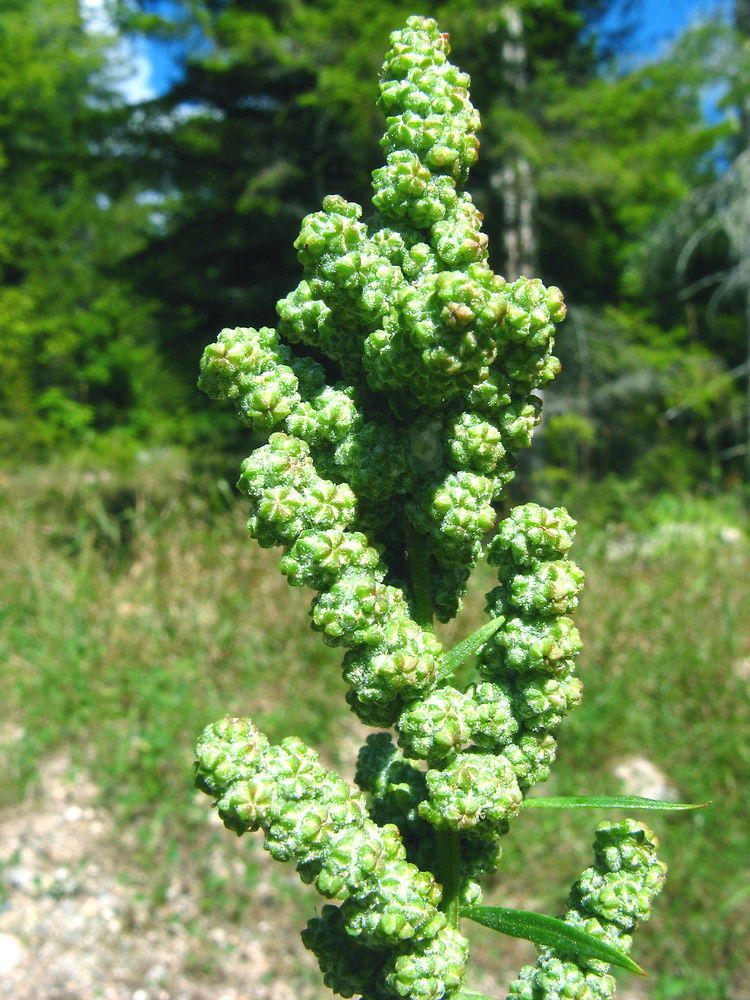
Medicinal Facts
Chenopodium album, commonly known as Fat Hen, is a plant rich in saponins, flavonoids, and phenolic acids. It is situated at the intersection of traditional ethnobotanical uses, particularly in Ayurvedic and European folk medicine, and modern phytochemical research focusing on its antioxidant and anti-inflammatory properties. The plant's historical use as a leafy vegetable and its potential in managing metabolic disorders are gaining scientific interest. Its complex phytochemistry supports a range of health benefits, though bioavailability and dosage standardization are ongoing challenges.
What it helps with
Antioxidant support
Flavonoids such as quercetin and kaempferol in Chenopodium album scavenge free radicals and upregulate Nrf2, enhancing cellular antioxidant defenses. This mechanism is supported by in vitro studies showing increased expression of antioxidant enzymes like superoxide dismutase (SOD) and catalase.
Anti-inflammatory effects
Saponins in Chenopodium album inhibit the NF-kB pathway, reducing pro-inflammatory cytokines such as TNF-a and IL-6. Animal studies have demonstrated reduced inflammation in models of arthritis, aligning with traditional uses for joint pain.
Metabolic health
Phenolic acids, including ferulic acid, modulate AMPK activity, improving insulin sensitivity and reducing hepatic glucose production. This has been observed in animal models of diabetes, suggesting potential benefits for metabolic syndrome management.
Digestive health
Traditionally used to support digestion, Chenopodium album's fiber content and saponins stimulate bile secretion and support gut motility. Research indicates it may help manage dyspepsia and constipation, though human trials are limited.
Antimicrobial activity
The essential oils and flavonoids in Chenopodium album exhibit antimicrobial effects by disrupting microbial cell membranes and inhibiting DNA gyrase. In vitro studies show activity against common pathogens like E. coli and Staphylococcus aureus.
Respiratory health
Traditionally used for respiratory conditions, the expectorant properties of saponins in Chenopodium album help clear mucus. This is supported by animal studies indicating bronchodilatory effects through modulation of calcium channels in airway smooth muscle.
Cancer-adjunct research
Preclinical studies suggest that flavonoids and saponins in Chenopodium album may induce apoptosis in cancer cells via the caspase pathway and inhibit angiogenesis through VEGF modulation. However, these effects are primarily observed in vitro and require further clinical validation.
Key active compounds
Saponins
These glycosides exhibit anti-inflammatory and immune-modulating effects by inhibiting NF-kB and modulating cytokine release. They also contribute to the plant's expectorant properties.
Quercetin
A flavonoid that acts as a potent antioxidant by scavenging free radicals and upregulating Nrf2, enhancing the expression of phase II detoxifying enzymes.
Kaempferol
This flavonoid inhibits oxidative stress and inflammation by modulating pathways like NF-kB and Nrf2. It also has potential anti-cancer properties through apoptosis induction.
Phenolic acids (e.g., ferulic acid)
These compounds modulate AMPK and possess antioxidant and anti-inflammatory properties, contributing to metabolic and cardiovascular health.
Essential oils
Composed of compounds like carvacrol and thymol, these oils exhibit antimicrobial properties by disrupting microbial cell membranes.
Beta-carotene
A precursor to vitamin A, it supports vision and immune function and contributes to the plant's antioxidant capacity.
What the research says
Research on Chenopodium album focuses on its antioxidant and anti-inflammatory properties, with flavonoids like quercetin and kaempferol showing strong in vitro and animal model evidence. Saponins are primarily studied for their anti-inflammatory and expectorant effects, with promising results in preclinical models. The main limitation is the lack of standardized dosing and bioavailability data, which hampers the translation of these findings into clinical practice. Efforts to enhance bioavailability, such as nanoparticle delivery systems and co-administration with absorption enhancers, are ongoing to address these challenges.
Typical dosage
For a tea or infusion, use 1-2 teaspoons of dried leaves per cup of boiling water, steep for 10 minutes, and drink up to three times daily. For tinctures, a typical dosage is 1-2 ml taken up to three times a day. Poultices can be applied directly to the skin for topical issues, ensuring the area is clean and the poultice is changed regularly. Decoctions can be made by simmering the plant in water for 20-30 minutes, with a recommended intake of 1 cup daily. Always start with lower doses to assess tolerance.
About Fat Hen
Traditional Use
Preparations & Dosage
Preparations
- Tea / Infusion: Boil water and pour over 1-2 teaspoons of dried Chenopodium album leaves. Cover and steep for 10 minutes. Strain and drink warm. Add honey or lemon for taste, if desired.
- Tincture: Combine 1 part dried plant material with 5 parts alcohol (such as vodka) in a glass jar. Seal and store in a cool, dark place for 4-6 weeks, shaking occasionally. Strain and store in a dark bottle.
- Poultice: Crush fresh leaves into a paste and apply directly to the affected area. Cover with a clean cloth or bandage. Change every few hours or as needed.
- Decoction: Simmer 1-2 tablespoons of dried Chenopodium album in 2 cups of water for 20-30 minutes. Strain and drink warm.
Interactions & Warnings
Use with caution
Chenopodium album contains saponins and oxalates, which can be toxic in large quantities. Pregnant women and individuals with kidney issues should avoid excessive consumption. Always consult a healthcare provider before using it for medicinal purposes.
Herb Interactions
Both have diuretic properties, which may lead to excessive fluid loss if used together.
Community Plants
Real plants of this species grown and shared by the MyFloralVault community.

More in Digestive Health


Was this helpful?
0 · 0
Care guides for related plants
Care Guide Available
Learn how to grow and care for Fat Hen at home