Desert Hyacinth
Cistanche Tubulosa

Medicinal Facts
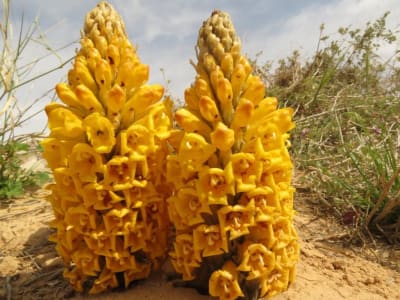
Cistanche tubulosa, commonly known as Desert Hyacinth, is renowned for its rich content of phenylethanoid glycosides, particularly echinacoside and acteoside, which are pivotal to its medicinal properties. This plant stands at the intersection of traditional Chinese medicine, where it is used as a yang tonic for vitality and sexual health, and modern pharmacological research focused on neuroprotection and anti-aging. It is also studied for its potential in enhancing endurance and immune function, with a growing interest in its role in modulating gut microbiota. Its bioactive compounds are being explored for their ability to influence multiple signaling pathways, including NF-kB and Nrf2, which are crucial in inflammation and oxidative stress responses.
What it helps with
Sexual health & libido
Echinacoside and acteoside are thought to enhance sexual function by modulating nitric oxide (NO) pathways, improving blood flow and possibly influencing testosterone levels. Animal studies suggest these compounds may increase sperm count and motility by enhancing testicular antioxidant capacity and reducing oxidative stress.
Neuroprotection & cognitive function
Cistanche tubulosa's phenylethanoid glycosides inhibit acetylcholinesterase and modulate the Nrf2 pathway, promoting antioxidant defenses in neuronal cells. This action may protect against neurodegenerative changes and improve memory, as evidenced in animal models. Human trials remain limited but suggest potential cognitive benefits.
Longevity & cellular aging
Echinacoside activates the SIRT1 pathway, a key regulator of cellular longevity, and enhances mitochondrial biogenesis via PGC-1a. These actions may support cellular repair mechanisms and telomere maintenance, contributing to anti-aging effects. Research is primarily preclinical, with some promising animal studies.
Immune modulation
Acteoside and echinacoside modulate immune responses by influencing NF-kB signaling, which can reduce pro-inflammatory cytokine production. This immunomodulatory effect is supported by in vitro and animal studies, suggesting potential benefits in conditions of immune dysregulation.
Endurance & physical performance
Cistanche tubulosa is traditionally used to enhance physical endurance, with compounds like echinacoside improving mitochondrial function and energy metabolism. Animal studies indicate increased endurance capacity, potentially through enhanced ATP production and reduced lactic acid accumulation.
Gut health & microbiota
Research suggests that Cistanche tubulosa may positively influence gut microbiota composition, promoting beneficial bacteria and reducing pathogenic strains. This effect is mediated by its polysaccharides, which serve as prebiotics, enhancing gut health and systemic immunity.
Antioxidant & anti-inflammatory effects
Phenylethanoid glycosides in Cistanche tubulosa activate the Nrf2 pathway, increasing the expression of antioxidant enzymes such as glutathione peroxidase. They also inhibit NF-kB, reducing inflammation by lowering cytokines like IL-6 and TNF-a. Evidence spans in vitro and animal studies, with emerging human data.
Key active compounds
Echinacoside
A phenylethanoid glycoside with neuroprotective and antioxidant properties. It activates SIRT1 and Nrf2 pathways, enhancing cellular defenses against oxidative stress. Its bioavailability is moderate, with ongoing research into delivery methods to enhance absorption.
Acteoside (verbascoside)
Another key phenylethanoid glycoside, acteoside has anti-inflammatory and antioxidant effects, modulating NF-kB and Nrf2 pathways. It is also studied for its potential to enhance immune function and protect against neurodegeneration.
Cistanoside
A glycoside with potential anti-aging and neuroprotective effects, contributing to the plant's overall efficacy. It is less studied than echinacoside and acteoside but shows promise in initial research.
Polysaccharides
These components act as prebiotics, modulating gut microbiota and enhancing immune function. They are crucial for the plant's role in promoting gut health and systemic immunity.
Iridoids
Compounds with anti-inflammatory and hepatoprotective properties, contributing to the plant's traditional use in liver health. They may synergize with phenylethanoids to enhance overall efficacy.
Flavonoids
These compounds provide additional antioxidant support, complementing the actions of phenylethanoid glycosides. They may also aid in cardiovascular health by improving endothelial function.
What the research says
Research on Cistanche tubulosa is robust in preclinical settings, with strong evidence for its neuroprotective and anti-aging effects primarily from animal models. Echinacoside and acteoside are the most studied compounds, with their roles in modulating SIRT1 and Nrf2 pathways highlighted in recent studies. Human trials are emerging, particularly in areas of cognitive enhancement and sexual health, but remain limited in scale and scope. The main limitation in translating these findings to clinical use is bioavailability, which is being addressed through novel formulation techniques such as encapsulation and co-administration with absorption enhancers.
Typical dosage
For capsules, a typical dosage is 500-1000 mg per day, taken with meals. As a powder, 1-2 grams can be mixed into smoothies or juices daily. For tea, steep 1-2 teaspoons of dried Cistanche in hot water for 10-15 minutes, consuming up to twice daily. Tinctures can be taken at 1-2 ml, up to three times a day. Adjust dosages based on individual tolerance and consult a healthcare provider for personalized advice.
About Desert Hyacinth
Traditional Use
Preparations & Dosage
Preparations
- Tea / Infusion: Use 1-2 teaspoons of dried Cistanche Tubulosa. Pour boiling water over the herb and let it steep for 10-15 minutes. Strain and drink warm. Honey or lemon can be added for flavor.
- Capsule: Take 500-1000 mg of Cistanche Tubulosa extract in capsule form daily, preferably with meals to enhance absorption.
- Powder: Mix 1-2 grams of Cistanche Tubulosa powder into smoothies, juices, or water. Stir well and consume immediately.
- Tincture: Administer 1-2 ml of Cistanche Tubulosa tincture under the tongue or in a small amount of water, up to three times daily.
Interactions & Warnings
Use with caution
Cistanche Tubulosa is generally considered safe when used in moderate amounts. However, individuals with hormone-sensitive conditions should consult a healthcare provider before use due to its potential estrogenic effects. Pregnant and breastfeeding women should avoid it due to insufficient safety data.
Herb Interactions
Combining with ginseng may amplify energy-boosting effects, potentially leading to overstimulation or insomnia.
Both herbs may enhance libido, and their combined use could lead to excessive hormonal stimulation.
Community Plants
Real plants of this species grown and shared by the MyFloralVault community.
More in Energy & Vitality





Was this helpful?
0 · 0
Care Guide Available
Learn how to grow and care for Desert Hyacinth at home