Chinese Yam
Dioscorea Polystachya
Medicinal Facts
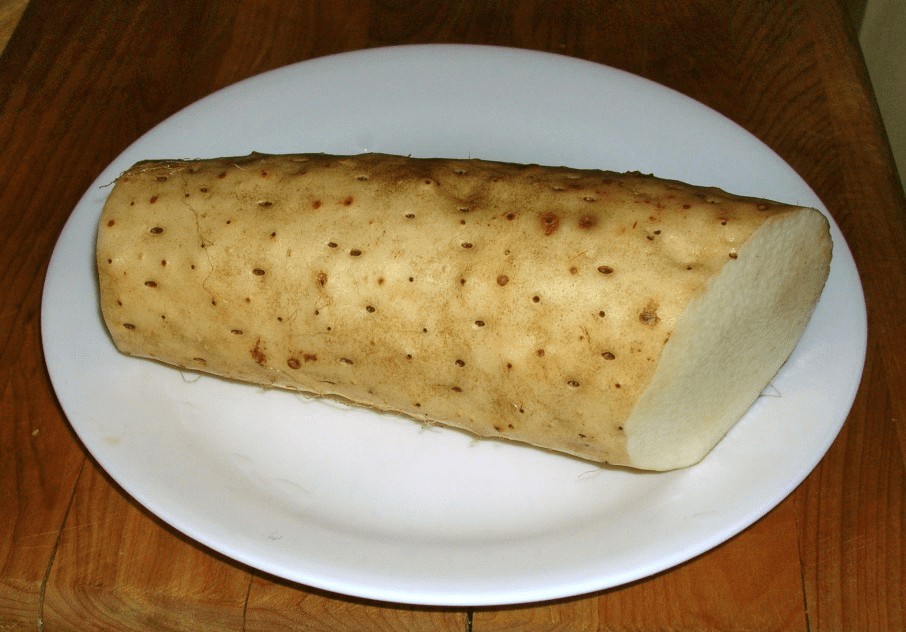
Dioscorea polystachya, commonly known as Chinese Yam, is a staple in both traditional Chinese medicine and modern phytotherapy, known for its diosgenin, allantoin, and mucilage content. It sits at the intersection of traditional protocols for spleen and lung health and contemporary research into its antioxidant, anti-inflammatory, and adaptogenic properties. Diosgenin is particularly notable for its role as a precursor to steroidal compounds, while allantoin supports cellular regeneration and wound healing. The mucilage contributes to its soothing effects on the digestive tract.
What it helps with
Digestive health
Chinese Yam's mucilage content provides a protective barrier on the gastrointestinal lining, reducing irritation and inflammation. It is traditionally used to address spleen deficiency and improve nutrient absorption. Research suggests it may modulate gut microbiota and enhance mucosal immunity, though human trials are limited.
Respiratory support
Traditionally used to nourish lung yin, Chinese Yam may alleviate chronic cough and asthma symptoms. Diosgenin's anti-inflammatory properties could reduce airway inflammation by modulating NF-kB and COX-2 pathways, though direct clinical evidence is sparse.
Hormonal balance
Diosgenin serves as a precursor for steroid synthesis, potentially supporting hormonal balance in conditions like menopause. It may influence estrogenic activity by binding to estrogen receptors, although this is primarily supported by in vitro studies.
Metabolic health
Chinese Yam may enhance metabolic function through diosgenin's modulation of PPAR-gamma, which influences glucose metabolism and insulin sensitivity. Animal studies show potential for reducing blood glucose and improving lipid profiles, but human studies are needed.
Skin health & wound healing
Allantoin in Chinese Yam promotes cellular proliferation and wound healing by enhancing fibroblast activity and collagen synthesis. This is supported by its traditional use in treating ulcers and skin irritations, with some evidence from animal models.
Immune modulation
Polysaccharides in Chinese Yam may enhance immune function by activating macrophages and modulating cytokine production. This immunomodulatory effect is primarily observed in preclinical studies, suggesting potential benefits for immune system support.
Longevity & cellular aging
Diosgenin may influence longevity by activating sirtuin pathways (SIRT1), which are involved in cellular stress resistance and metabolic regulation. This is a promising area of research, primarily in vitro, with potential implications for anti-aging strategies.
Key active compounds
Diosgenin
A steroidal saponin that serves as a precursor for the synthesis of steroid hormones. It modulates inflammatory pathways such as NF-kB and COX-2 and has potential estrogenic activity.
Allantoin
A compound known for its ability to promote cell proliferation and healing. It enhances fibroblast activity and collagen synthesis, contributing to its use in skin health.
Mucilage
A polysaccharide-rich component that provides a soothing effect on mucous membranes, protecting the gastrointestinal tract and facilitating nutrient absorption.
Polysaccharides
Complex carbohydrates that exhibit immunomodulatory properties by activating immune cells such as macrophages and influencing cytokine production.
Beta-sitosterol
A phytosterol that may contribute to cholesterol-lowering effects and modulate immune function. It competes with cholesterol for absorption in the intestines.
Flavonoids
Compounds with antioxidant properties that scavenge free radicals and may enhance the activity of other bioactive compounds in Chinese Yam.
Dioscorin
A storage protein with antioxidant and immunomodulatory activity. It may contribute to the overall health benefits of the tuber, particularly in immune support.
What the research says
Research on Chinese Yam focuses on its diosgenin content and its potential hormonal and metabolic effects. Diosgenin is studied for its role in steroidogenesis and its anti-inflammatory properties, with evidence primarily from in vitro and animal studies. The mucilage and polysaccharides are explored for their digestive and immune-supportive roles, with preclinical studies suggesting benefits in gut health and immune modulation. A major limitation is the lack of robust human clinical trials, particularly concerning bioavailability and standardized dosing. Current strategies to address these include the use of enhanced extraction methods and combination with other bioactive compounds to improve efficacy.
Typical dosage
For decoction, use 10-15 grams of dried tuber per 500 ml of water, simmer for 20-30 minutes, and consume up to twice daily. For powder, take 1-2 grams mixed with water or juice, up to three times daily. Capsules typically contain 500 mg, and the recommended dose is 1-2 capsules up to three times daily. Tinctures can be taken at a dose of 1-2 ml diluted in water, up to three times daily. For poultices, apply the paste directly to the skin as needed.
About Chinese Yam
Traditional Use
Preparations & Dosage
Preparations
- Decoction: Boil 10-15 grams of dried Chinese Yam tuber in 500 ml of water. Simmer for 20-30 minutes, strain, and drink warm. Add honey or lemon for taste if desired.
- Powder: Mix 1-2 grams of Chinese Yam powder with water, juice, or a smoothie. Stir well before drinking.
- Capsule: Take 1-2 capsules (500 mg each) with water, up to three times daily, preferably with meals.
- Tincture: Dilute 1-2 ml of Chinese Yam tincture in a glass of water. Consume up to three times daily.
- Poultice: Crush fresh Chinese Yam tuber into a paste and apply directly to the skin. Cover with a clean cloth and leave for 20-30 minutes.
Interactions & Warnings
Use with caution
While generally safe for most people, Dioscorea polystachya should be used with caution by individuals with hormone-sensitive conditions due to its phytoestrogen content. Pregnant or breastfeeding women should consult a healthcare provider before use.
Herb Interactions
May enhance the immune-boosting effects, potentially leading to overstimulation of the immune system.
Combined use may increase the risk of hypertension due to synergistic effects on blood pressure.
Community Plants
Real plants of this species grown and shared by the MyFloralVault community.

More in Digestive Health


Was this helpful?
0 · 0
Care guides for related plants
Care Guide Available
Learn how to grow and care for Chinese Yam at home