Burning Bush
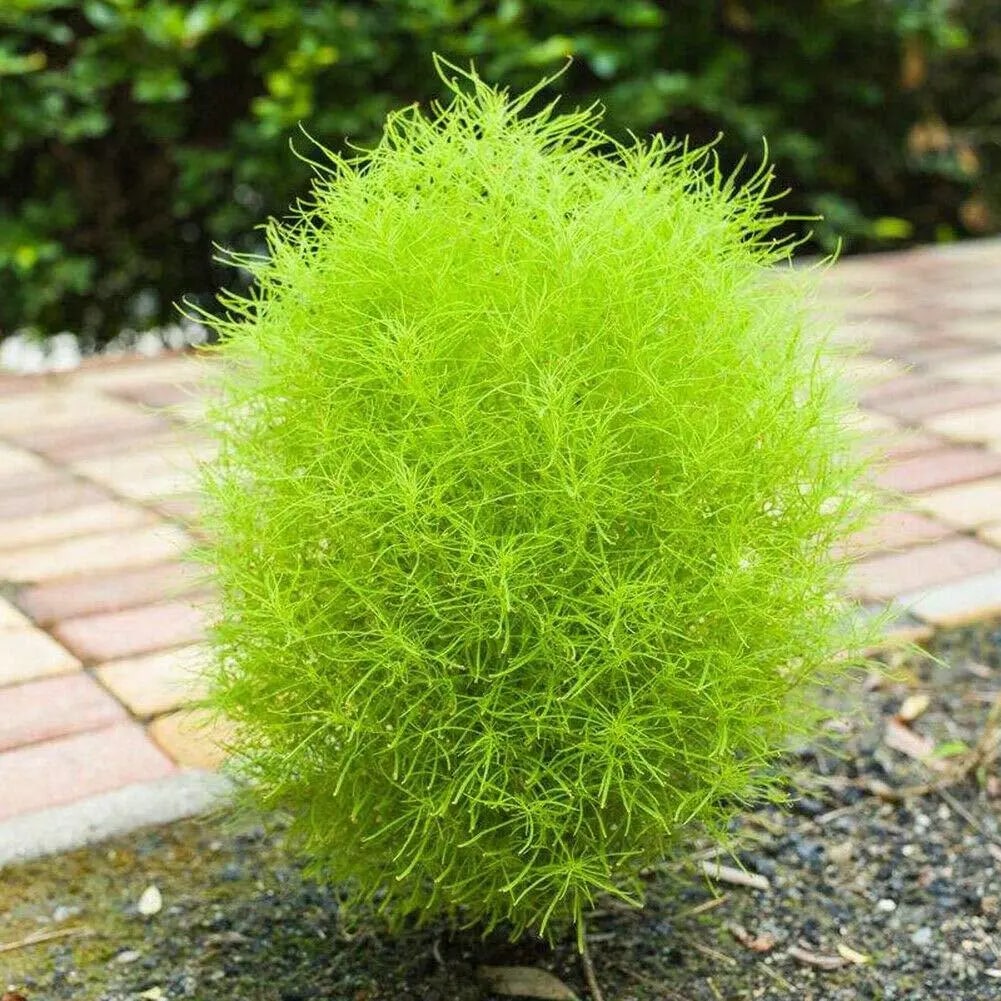
Bassia Scoparia
Medicinal Facts
Bassia scoparia, commonly known as Burning Bush, is a plant rich in triterpenoids and flavonoids, particularly betulinic acid and rutin. It sits at the intersection of traditional Chinese medicine, where it is used for its diuretic and anti-inflammatory properties, and modern pharmacological research, which investigates its potential in metabolic regulation and anti-diabetic effects. The plant's bioactive compounds are being explored for their roles in modulating lipid metabolism and glucose homeostasis, making it a subject of interest in both ethnobotanical and clinical settings.
What it helps with
Metabolic syndrome & obesity
Betulinic acid from Bassia scoparia has been shown to activate AMP-activated protein kinase (AMPK), which enhances lipid oxidation and glucose uptake. This mechanism suggests potential benefits in managing obesity and metabolic syndrome. Animal studies have demonstrated reduced body weight and improved lipid profiles.
Diabetes & glucose regulation
Rutin, a flavonoid present in Bassia scoparia, inhibits the enzyme alpha-glucosidase, slowing carbohydrate digestion and absorption. This results in a lower postprandial blood glucose level, as evidenced by in vitro and animal studies. Its role in enhancing insulin sensitivity is also under investigation.
Inflammation
The plant's triterpenoids, including betulinic acid, inhibit the NF-kB pathway, which is central to the inflammatory response. This action reduces the production of pro-inflammatory cytokines like TNF-alpha and IL-6. Traditional uses align with these findings, supporting its role in managing inflammatory conditions.
Diuretic effects
Traditionally used as a diuretic, Bassia scoparia increases urine output through mechanisms that may involve the modulation of aquaporin channels and renal sodium transporters. This property is supported by historical use in traditional medicine, although specific molecular pathways remain under-researched.
Liver protection
Betulinic acid exhibits hepatoprotective effects by activating Nrf2, a transcription factor that induces the expression of antioxidant enzymes like glutathione S-transferase. Animal models have shown protection against chemically induced liver damage, suggesting potential therapeutic applications.
Antioxidant activity
The flavonoids in Bassia scoparia, such as rutin, scavenge free radicals and upregulate endogenous antioxidant defenses via the Nrf2 pathway. This action helps mitigate oxidative stress, a contributor to chronic diseases, as demonstrated in preclinical studies.
Cardiovascular health
Rutin's ability to inhibit platelet aggregation and enhance endothelial function through nitric oxide production suggests cardiovascular benefits. These effects are primarily supported by animal studies, with ongoing research into their applicability in human health.
Key active compounds
Betulinic acid
A triterpenoid that activates AMPK, leading to enhanced lipid metabolism and glucose uptake. It also inhibits the NF-kB pathway, contributing to its anti-inflammatory effects.
Rutin
A flavonoid that inhibits alpha-glucosidase, reducing postprandial glucose levels. It also enhances endothelial nitric oxide production, supporting cardiovascular health.
Quercetin
Another flavonoid present in the plant, known for its antioxidant properties and ability to modulate inflammatory pathways such as NF-kB.
Kaempferol
A flavonoid that exhibits antioxidant and anti-inflammatory activities, potentially through the modulation of Nrf2 and NF-kB pathways.
Saponins
Compounds that may contribute to the plant's diuretic effects by influencing renal sodium transporters and aquaporin channels.
Phenolic acids
These compounds provide antioxidant benefits and may support the plant's anti-inflammatory properties through free radical scavenging.
Beta-sitosterol
A plant sterol that may contribute to lipid-lowering effects by inhibiting cholesterol absorption in the intestine.
What the research says
Research on Bassia scoparia primarily focuses on its metabolic and anti-inflammatory effects. Betulinic acid and rutin have the strongest evidence, with animal studies highlighting their roles in glucose regulation and inflammation. Human trials are limited, but preclinical findings are promising. The main limitation is the bioavailability of these compounds, which is being addressed through formulation strategies like encapsulation and co-administration with absorption enhancers. Further research is needed to confirm these effects in humans and to explore potential synergistic interactions between the plant's multiple bioactive compounds.
Typical dosage
For a tea or infusion, use 1-2 teaspoons of dried Bassia scoparia leaves per cup of boiling water, steep for 10-15 minutes, and consume up to twice daily. For tinctures, a common dose is 1-2 ml taken up to three times daily. Capsules typically contain 500 mg of powdered herb, with a recommended dose of 1-2 capsules per day. Always start with the lower end of the dosage range and adjust as needed.
About Burning Bush
Traditional Use
Preparations & Dosage
Preparations
- Tea / Infusion: Use 1-2 teaspoons of dried Bassia scoparia leaves per cup of boiling water. Steep for 10-15 minutes, then strain. Serve warm and consume up to twice daily.
- Tincture: Use a 1:5 ratio of dried herb to alcohol. Macerate for 4-6 weeks, shaking daily. Strain and store in a dark bottle. Take 1-2 ml up to three times daily.
- Capsule: Encapsulate 500 mg of dried, powdered Bassia scoparia. Take 1-2 capsules per day with meals.
Interactions & Warnings
Use with caution
Bassia scoparia should be used with caution as it can be toxic in large amounts. Pregnant or breastfeeding women and individuals with liver conditions should avoid it. Always consult with a healthcare provider before use.
Herb Interactions
May increase the risk of liver toxicity when combined.
Community Plants
Real plants of this species grown and shared by the MyFloralVault community.
More in Digestive Health


Was this helpful?
0 · 0