Angelica
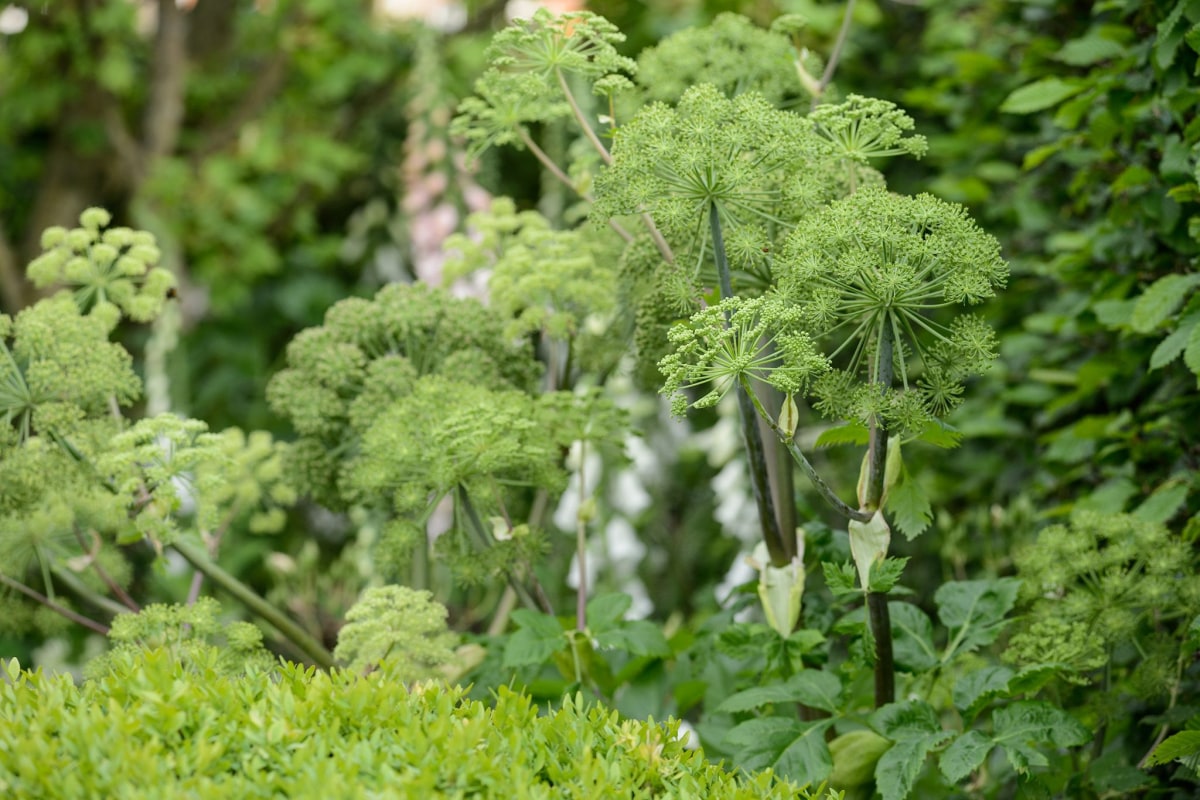
Angelica Archangelica
Medicinal Facts
Angelica archangelica, known for its aromatic compounds and coumarins, stands at the intersection of traditional European herbalism, where it is used for digestion and respiratory health, and modern pharmacognosy, which investigates its effects on smooth muscle and inflammation. Its roots and seeds are rich in furanocoumarins and essential oils, which contribute to its therapeutic profile. The plant is also studied for its potential modulation of immune responses and antimicrobial properties. Despite its historical use, modern research is still uncovering the molecular mechanisms underlying its effects.
What it helps with
Digestive health & dyspepsia
Angelica archangelica contains essential oils such as α-pinene and limonene, which stimulate gastric juice secretion and enhance peristalsis. The furanocoumarins, including imperatorin, may modulate calcium channels in smooth muscle, aiding in the relief of dyspeptic symptoms. Evidence is primarily from traditional use and preclinical studies.
Respiratory health
The plant's essential oils, particularly α-pinene, exhibit bronchodilatory effects by interacting with β2-adrenergic receptors, which can help alleviate symptoms of bronchitis and asthma. Traditional use supports these effects, though clinical trials are limited.
Inflammation
Coumarins like imperatorin and oxypeucedanin inhibit the NF-kB pathway, reducing the production of pro-inflammatory cytokines such as IL-1β and TNF-α. This action suggests potential benefits in inflammatory conditions, though human trials are sparse.
Immune modulation
Angelica's polysaccharides may enhance macrophage activity and cytokine production, modulating immune responses. This is supported by in vitro studies, with traditional use indicating its role in supporting immune health.
Antimicrobial activity
The essential oils, particularly limonene and α-pinene, exhibit antimicrobial properties by disrupting microbial cell membranes. This has been demonstrated in vitro against common pathogens, though clinical evidence is lacking.
Menstrual health
Angelica archangelica has been traditionally used to alleviate menstrual discomfort. The coumarins may exert a spasmolytic effect on uterine smooth muscle via calcium channel modulation, easing menstrual cramps. This use is primarily supported by traditional knowledge.
Anxiety & stress
Compounds such as imperatorin may interact with GABA-A receptors, potentially exerting anxiolytic effects. While traditional use suggests calming properties, scientific evidence is mostly preclinical.
Key active compounds
Imperatorin
A furanocoumarin that modulates calcium channels and may inhibit NF-kB, contributing to its anti-inflammatory and spasmolytic effects. It also shows potential GABAergic activity.
Oxypeucedanin
A coumarin with anti-inflammatory properties, possibly through NF-kB inhibition. It contributes to the plant's overall therapeutic profile.
α-Pinene
A monoterpene found in the essential oil, known for bronchodilatory and antimicrobial effects. It interacts with β2-adrenergic receptors and disrupts microbial membranes.
Limonene
A monoterpene with antimicrobial and digestive-stimulating properties. It enhances gastric juice secretion and disrupts microbial cell membranes.
Angelicin
A furanocoumarin with potential anti-inflammatory and phototoxic properties, contributing to the plant's overall therapeutic effects.
Polysaccharides
Complex carbohydrates that may enhance immune function by stimulating macrophage activity and cytokine production.
Bergapten
A furanocoumarin that may contribute to the plant's phototoxic effects and has been studied for its role in modulating smooth muscle activity.
What the research says
Research on Angelica archangelica is primarily preclinical, focusing on its essential oils and coumarins. The strongest evidence supports its digestive and respiratory benefits, with studies highlighting the role of α-pinene and limonene in these effects. Inflammation and immune modulation are promising areas, with imperatorin and polysaccharides showing potential in vitro, though human trials are needed. The main limitation is the lack of clinical trials, particularly concerning bioavailability and standardized dosing. Future research may focus on developing extracts with enhanced bioavailability and conducting rigorous human studies to validate traditional uses.
Typical dosage
For tea or infusion, use 1-2 teaspoons of dried angelica root per cup of boiling water, steep for 10-15 minutes, and drink up to three times daily. Tinctures can be taken at a dose of 1-2 ml up to three times a day. Essential oil should be used externally and diluted appropriately before application. Capsules typically contain 500 mg of dried root, with a recommended dose of 1-2 capsules up to three times daily. Always consult a healthcare provider before starting any new herbal regimen.
About Angelica
Traditional Use
Preparations & Dosage
Preparations
- Tea / Infusion: Use 1-2 teaspoons of dried angelica root per cup of boiling water. Steep for 10-15 minutes, strain, and drink. Add honey or lemon for taste if desired.
- Tincture: Take 1-2 ml of angelica tincture up to three times daily. Can be added to water or juice for easier consumption.
- Essential Oil: Dilute with a carrier oil before applying topically. Use 1-2 drops per tablespoon of carrier oil. Apply to chest for respiratory support or to temples for stress relief.
- Capsule: Take 1-2 capsules of 500 mg dried angelica root up to three times daily with meals.
- Poultice: Crush fresh angelica leaves and mix with a small amount of water to form a paste. Apply to affected area and cover with a clean cloth.
Interactions & Warnings
Use with caution
Angelica should be used with caution by pregnant women, as it may stimulate uterine contractions. It can increase sensitivity to sunlight, so prolonged sun exposure should be avoided. People with diabetes should use it cautiously due to potential blood sugar effects.
Herb Interactions
Both herbs can increase photosensitivity, leading to a higher risk of sunburn.
May enhance the stimulating effects on the immune system.
Community Plants
Real plants of this species grown and shared by the MyFloralVault community.
More in Digestive Health


Was this helpful?
0 · 0
Care guides for related plants
Care Guide Available
Learn how to grow and care for Angelica at home