Creeping Charlie
Glechoma Hederacea
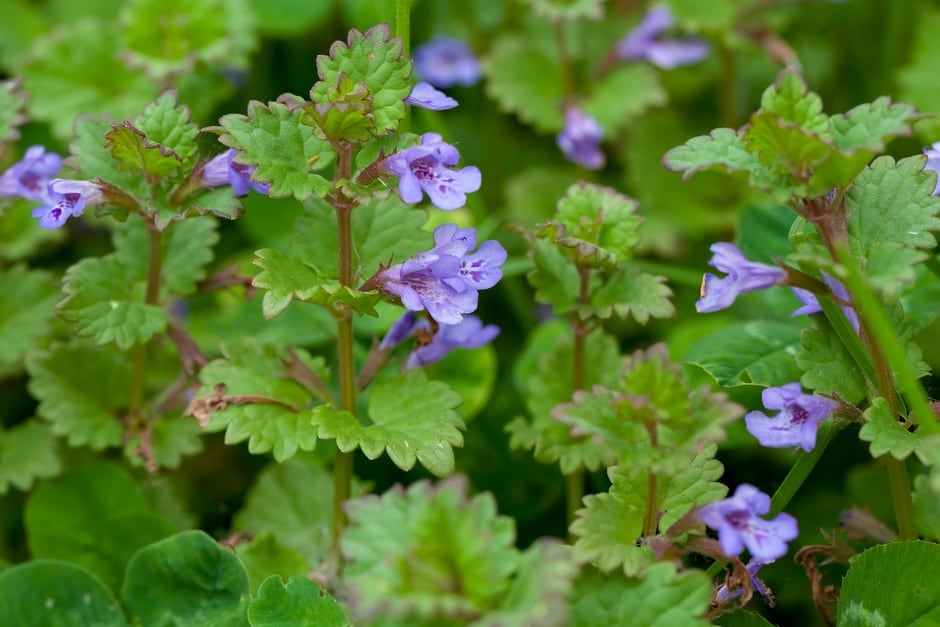
Medicinal Facts
Glechoma hederacea, commonly known as Creeping Charlie, is rich in volatile oils, flavonoids, and phenolic acids, notably rosmarinic acid. This plant sits at the intersection of traditional European herbalism, where it has been used for respiratory and digestive support, and modern phytochemical research focused on its anti-inflammatory and antioxidant properties. The plant's essential oils and polyphenols are of particular interest for their antimicrobial and hepatoprotective potential, though its broad application in folk medicine remains underexplored in clinical settings.
What it helps with
Respiratory health
Glechoma hederacea has been traditionally used to support respiratory function, likely due to its volatile oils which may act as mild expectorants. Rosmarinic acid, a key compound, inhibits lipoxygenase pathways, reducing leukotriene synthesis and potentially easing bronchial inflammation. Evidence is primarily traditional, with limited clinical trials.
Digestive support
The plant's essential oils, including pulegone, may stimulate bile flow and aid digestion. Rosmarinic acid's inhibition of COX-2 and lipoxygenase pathways can reduce gastrointestinal inflammation, supporting traditional uses for dyspepsia and bloating. Evidence is largely anecdotal with some animal model support.
Anti-inflammatory action
Rosmarinic acid and other polyphenols in Glechoma hederacea modulate NF-kB and MAPK pathways, reducing pro-inflammatory cytokines like TNF-a and IL-1b. This action is supported by in vitro studies, suggesting potential in inflammatory conditions, though human data are sparse.
Antimicrobial properties
Creeping Charlie's essential oils exhibit antimicrobial activity against various pathogens. Rosmarinic acid and flavonoids disrupt microbial cell walls and inhibit enzyme activity, supported by in vitro assays. Traditional use aligns with these findings, though clinical validation is needed.
Hepatoprotection
Rosmarinic acid and other antioxidants in Glechoma hederacea enhance Nrf2 signaling, boosting endogenous antioxidant defenses like glutathione. Animal studies suggest liver protective effects against oxidative stress, though human trials are lacking.
Antioxidant support
The plant's phenolic compounds, including rosmarinic acid, scavenge free radicals and upregulate antioxidant enzymes through Nrf2 activation. This antioxidant capacity is well-documented in vitro, providing a basis for its traditional use in tonic formulations.
Skin health
Topical applications of Glechoma hederacea may benefit skin health due to its anti-inflammatory and antimicrobial properties. Rosmarinic acid can reduce inflammation and promote wound healing, although this is primarily supported by traditional use and preliminary studies.
Key active compounds
Rosmarinic acid
A polyphenol that inhibits lipoxygenase and COX-2, modulates NF-kB, and activates Nrf2. It is a major anti-inflammatory and antioxidant agent in the plant.
Pulegone
A monoterpene found in the essential oil, known for its potential to stimulate bile flow and exert mild antimicrobial effects. It is a key component in digestive support.
Menthone
Another monoterpene in the essential oil, contributing to the plant's aroma and potential respiratory benefits through mild expectorant action.
Luteolin
A flavonoid with anti-inflammatory and antioxidant properties, it inhibits NF-kB and MAPK pathways, enhancing the plant's overall efficacy.
Caffeic acid
A phenolic acid that contributes to the plant's antioxidant capacity by scavenging free radicals and modulating inflammatory pathways.
Ursolic acid
A triterpenoid that offers anti-inflammatory and antimicrobial benefits, potentially enhancing skin health and wound healing.
What the research says
Research on Glechoma hederacea is primarily preclinical, with a focus on its anti-inflammatory and antioxidant properties. Rosmarinic acid is the most studied compound, showing strong in vitro and animal model evidence for reducing inflammation and oxidative stress. Human data are limited, with most evidence remaining traditional or anecdotal. The main limitation is the lack of clinical trials, particularly those addressing bioavailability and standardized dosing of its active compounds. Future studies could focus on developing bioavailability-enhanced formulations to better translate its traditional uses into clinical practice.
Typical dosage
For tea or infusion, use 1-2 teaspoons of dried leaves per cup of boiling water, steep for 10-15 minutes, and consume up to three times daily. Tinctures can be taken at a dose of 2-4 ml up to three times per day. For poultices, apply directly to the skin as needed. Essential oils should be diluted before topical use. Capsules should be taken according to the manufacturer's instructions.
About Creeping Charlie
Traditional Use
Preparations & Dosage
Preparations
- Tea / Infusion: Boil water and pour over 1-2 teaspoons of dried Glechoma hederacea leaves. Steep for 10-15 minutes, strain, and drink warm. Add honey or lemon for taste if desired.
- Tincture: Use a dropper to take 2-4 ml of tincture under the tongue or diluted in water, up to three times daily.
- Poultice: Crush fresh leaves and apply directly to the skin over the affected area. Cover with a clean cloth and leave for 20-30 minutes.
Interactions & Warnings
Use with caution
Glechoma hederacea should be used with caution, as it may cause allergic reactions in some individuals. Pregnant and breastfeeding women should avoid it due to insufficient safety data. People with liver or kidney conditions should consult a healthcare provider before use.
Herb Interactions
May enhance photosensitivity, increasing the risk of sunburn.
Potential additive effects on circulation, though generally considered safe.
Community Plants
Real plants of this species grown and shared by the MyFloralVault community.

More in Respiratory Health


Was this helpful?
0 · 0