Drosera Falconeri
Drosera falconeri
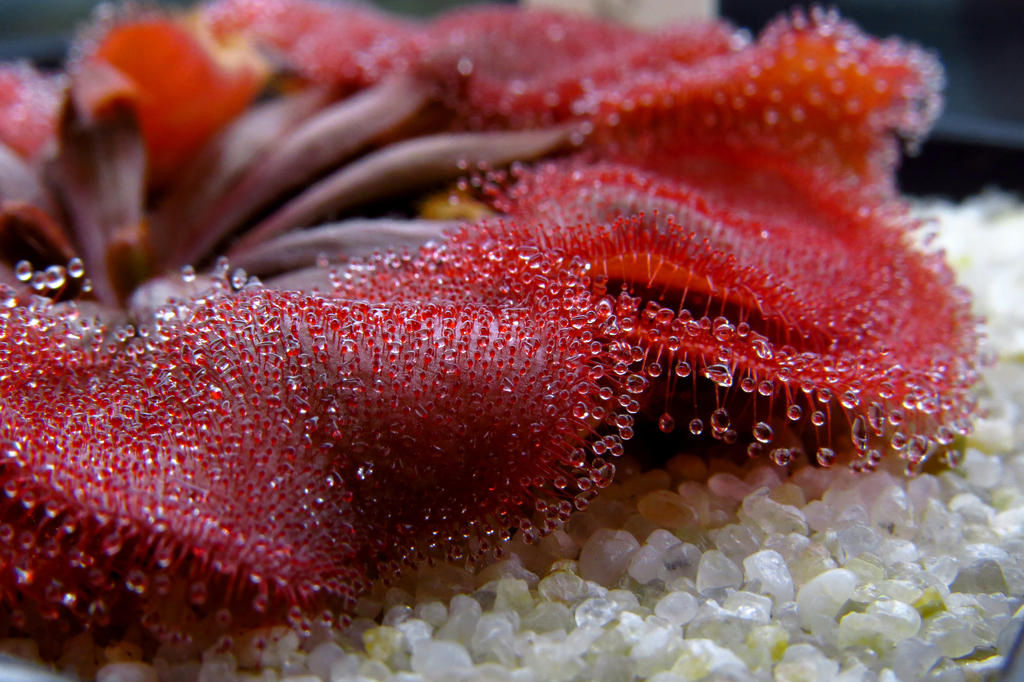
Medicinal Facts
Drosera falconeri's medicinal properties are attributed to its active compounds, including flavonoids and phenolic acids, which provide expectorant and antimicrobial effects. This plant sits at the intersection of traditional herbal medicine and modern phytotherapy, particularly in respiratory health.
What it helps with
Cough relief
The flavonoids in Drosera falconeri may help soothe the throat and reduce coughing by acting on the respiratory mucosa, providing symptomatic relief from dry and productive coughs.
Respiratory infections
Research suggests that the antimicrobial properties of Drosera falconeri may inhibit the growth of pathogens responsible for respiratory infections, supporting its traditional use in treating bronchitis.
Mucus clearance
The expectorant action of Drosera falconeri aids in loosening mucus in the airways, facilitating its expulsion and improving respiratory function.
Bronchitis
Historically used for bronchitis, the plant's active compounds may help reduce inflammation in the bronchial tubes, promoting easier breathing.
Key active compounds
Flavonoids
Provide antioxidant and anti-inflammatory effects, supporting respiratory health.
Phenolic acids
Exhibit antimicrobial properties, potentially inhibiting respiratory pathogens.
Droserone
A compound with potential antitussive effects, contributing to cough relief.
Tannins
May have astringent properties that help soothe irritated mucous membranes.
What the research says
Evidence for Drosera falconeri's effectiveness primarily revolves around its traditional uses for respiratory conditions. Studies on related species indicate that flavonoids and phenolic compounds may exert beneficial effects on respiratory health, particularly in reducing inflammation and promoting mucus clearance. However, the main limitation remains the lack of extensive clinical trials specifically on Drosera falconeri, necessitating further research to establish standardized dosages and confirm its therapeutic potential.
Typical dosage
For tincture, a common dosage is 1-2 ml taken 2-3 times daily. For tea, steep 1-2 teaspoons of dried leaves in hot water for 10-15 minutes, consuming 1-2 cups daily. Syrup preparations may vary, but a typical dosage is 5-10 ml taken as needed for cough relief.
About Drosera Falconeri
Preparations & Dosage
Preparations
- Tincture: Prepare by soaking fresh or dried leaves in alcohol for 4-6 weeks, shaking daily. Strain and store in a dark glass bottle.
- Tea / Infusion: Steep 1-2 teaspoons of dried leaves in boiling water for 10-15 minutes. Strain before drinking.
- Syrup: Combine an infusion of Drosera falconeri with sugar or honey, simmering until thickened. Store in a sealed container.
Interactions & Warnings
Use with caution
Drosera falconeri contains compounds that can be toxic in high doses, leading to gastrointestinal distress and potential allergic reactions. Individuals with known allergies to Droseraceae or those who are pregnant should avoid using this plant without professional guidance.
Herb Interactions
Combining with thyme may enhance the cough-suppressing effects, but caution is advised due to potential increased mucolytic activity.
Community Plants
Real plants of this species grown and shared by the MyFloralVault community.

More in Respiratory Health


Was this helpful?
0 · 0
Care Guide Available
Learn how to grow and care for Drosera Falconeri at home