Myrtus Communis
Myrtus Communis
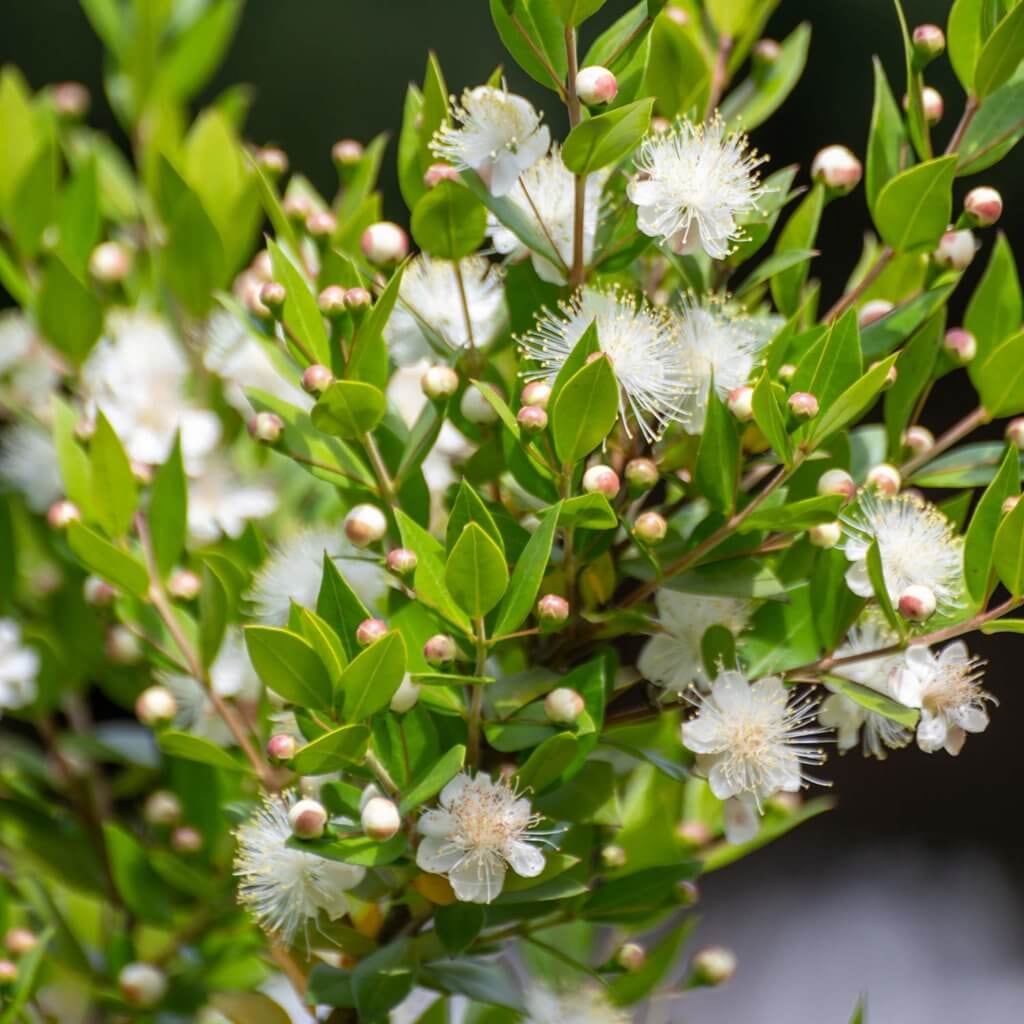
Medicinal Facts
Myrtus communis, commonly known as myrtle, is renowned for its essential oils rich in myrtenyl acetate, α-pinene, and 1,8-cineole. It bridges the gap between traditional Mediterranean and Middle Eastern medicine, where it is used for respiratory and digestive health, and modern pharmacological research focused on its antimicrobial and anti-inflammatory properties. The plant's essential oils are particularly noted for their ability to modulate inflammatory pathways and their potential as natural antimicrobial agents.
What it helps with
Respiratory health
Myrtus communis essential oil, particularly rich in 1,8-cineole, acts as a bronchodilator and mucolytic agent. It modulates the NF-kB pathway, reducing pro-inflammatory cytokines like IL-6 and TNF-alpha, which can alleviate symptoms of bronchitis and asthma. Human trials are limited, but traditional use is well-documented.
Antimicrobial activity
The essential oil's α-pinene and myrtenyl acetate components exhibit broad-spectrum antimicrobial activity by disrupting bacterial cell membranes and inhibiting microbial growth. In vitro studies have shown efficacy against strains like Staphylococcus aureus and Escherichia coli, supporting its traditional use for infections.
Anti-inflammatory effects
Myrtus communis essential oils inhibit COX-2 and lipoxygenase pathways, reducing the synthesis of pro-inflammatory prostaglandins and leukotrienes. This mechanism is supported by animal models demonstrating reduced edema and inflammation.
Digestive support
Traditionally used for digestive issues, myrtle's essential oils stimulate gastric secretions and enhance digestive enzyme activity. Myrtenyl acetate may modulate gut motility through interaction with the enteric nervous system, although direct human evidence is sparse.
Skin health
Myrtle's essential oil promotes wound healing and reduces inflammation through the modulation of TGF-beta signaling and collagen synthesis. Its antimicrobial properties further protect against skin infections, with traditional applications in treating acne and minor wounds.
Antioxidant support
The polyphenolic compounds in myrtle, such as myricetin, scavenge free radicals and upregulate Nrf2, enhancing cellular antioxidant defenses. This mechanism is primarily supported by in vitro studies and aligns with traditional uses for general health maintenance.
Mood and cognitive support
Myrtus communis may influence mood and cognition through its volatile compounds, which are believed to interact with the GABA-A receptor, promoting relaxation and stress relief. Evidence is largely anecdotal and based on traditional aromatherapy practices.
Key active compounds
Myrtenyl acetate
A major component of myrtle essential oil, it contributes to the oil's antimicrobial and anti-inflammatory properties by disrupting microbial membranes and modulating inflammatory pathways.
1,8-Cineole
Known for its mucolytic and bronchodilatory effects, 1,8-cineole modulates NF-kB and reduces cytokine production, aiding in respiratory conditions.
α-Pinene
An essential oil component with broad antimicrobial activity, α-pinene disrupts bacterial membranes and may enhance respiratory function through bronchodilation.
Myricetin
A flavonoid with potent antioxidant properties, myricetin scavenges free radicals and upregulates Nrf2, supporting cellular antioxidant defenses.
Linalool
Contributes to the calming effects of myrtle oil, potentially interacting with the GABA-A receptor to promote relaxation and reduce anxiety.
Tannins
Polyphenolic compounds that contribute to the astringent properties of myrtle, aiding in wound healing and providing antimicrobial effects.
Quercetin
A flavonoid with anti-inflammatory and antioxidant effects, quercetin modulates NF-kB and scavenges free radicals, supporting overall health.
What the research says
Research on Myrtus communis focuses on its essential oil's antimicrobial and anti-inflammatory properties. In vitro studies highlight the efficacy of 1,8-cineole and α-pinene against various bacterial strains, while animal models support its anti-inflammatory effects via COX-2 and lipoxygenase inhibition. Human trials are limited, but traditional uses provide a strong historical context. The main limitation is the variability in essential oil composition, which can affect bioactivity. Standardization of extracts and further clinical trials are needed to fully validate its therapeutic potential.
Typical dosage
For essential oil use, dilute 1-2 drops in a carrier oil and apply topically as needed, avoiding sensitive areas. For tea or infusion, use 1-2 teaspoons of dried leaves per cup of boiling water, steep for 10 minutes, and consume up to three times daily. Tinctures can be taken at a dosage of 1-2 ml up to three times a day. For poultices, apply directly to the skin for localized issues, ensuring the area is clean and the preparation is not too concentrated.
About Myrtus Communis
Traditional Use
Preparations & Dosage
Preparations
- Tea / Infusion: Boil water and pour over 1-2 teaspoons of dried myrtle leaves. Cover and steep for 10 minutes. Strain and drink warm. Optionally, add honey for taste.
- Essential Oil: Dilute 1-2 drops of myrtle essential oil in a tablespoon of carrier oil. Apply topically to affected areas, avoiding sensitive skin. Use sparingly.
- Tincture: Use a dropper to measure 1-2 ml of myrtle tincture. Mix with water or juice and consume up to three times daily.
Interactions & Warnings
Use with caution
Myrtus communis should be used with caution, especially in essential oil form, as it can be potent and may cause irritation or allergic reactions in sensitive individuals. Pregnant and breastfeeding women should avoid its use, and it should not be used on children without professional guidance.
Herb Interactions
Both have strong essential oils that can cause respiratory irritation if inhaled in large amounts.
Community Plants
Real plants of this species grown and shared by the MyFloralVault community.

More in Respiratory Health


Was this helpful?
0 · 0
Care Guide Available
Learn how to grow and care for Myrtus Communis at home