MyFloralVault
by @jominime•32 plants
Mandragora officinarum
has a long history in traditional medicine as a pain reliever, sleep aid, and surgical anesthetic due to potent tropane alkaloids like scopolamine and
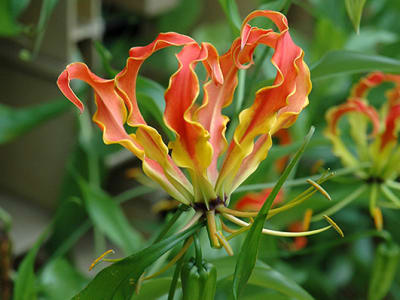
Gloriosa superba
Symptoms of ingestion can include numbness of the lips, tongue and throat. Nausea, vomiting and abdominal pain may develop after 2-12 hours; increased
Abrus precatorius
A single thoroughly-chewed seed can kill.contains abrin, a ribosome-inactivating protein even MORE potent than ricin.
Cerbera odollam
The kernels of fruit contain cerberin, which is a cardiac glycoside, a class of organic compound that attacks the heart and inhibits the production of
Gelsemium elegans
Shuts down the brain's breathing centers, leading to low oxygen, coma, and death within a short time.Causes dizziness, severe muscle weakness, spasms,
Ageratina altissima
tremetol, causes "milk sickness" through the milk of animals that graze it, it killed Abraham Lincoln's mother. tremetol, which can cause severe muscl
Toxicoscordion venenosum
a toxic plant that closely resembles edible camas bulbs historically gathered as food. every part of the plant contains strong steroidal alkaloids lik
Amanita phalloides
causes about 90 percent of all fatal mushroom poisonings worldwide. eating just half of one mushroom can kill an adult.
Conocybe filaris
grows in the New Jersey Pine Barrens.Conocybe filaris poisoning, caused by amatoxins, typically presents in stages starting 6-12 hours after ingestion
Cortinarius rubellus
orellanine, shuts down the kidneys 1 to 3 weeks after you eat it.
Gyromitra esculenta
gyromitrin turns into monomethylhydrazine, literally a rocket-fuel compound, causing seizures and liver failure. Mistaken for true morels.
Trichoderma cornu-damae
trichothecene toxins, one of the very few mushrooms that can poison you through skin handling, causes multi-organ failure.
Amanita smithiana
grows in fir forests and always has a bulb at the base.acute kidney failure via allenic norleucine.
Trogia venenata
linked to sudden cardiac deaths.
Paxillus involutus
triggers an immune reaction that destroys red blood cells, can be fatal.
Lilium bulbiferum
looks like: classic lily-shaped flowerswhere: cut flower arrangements (especially easter and mother's day), gardenstoxic part: ALL parts including pol
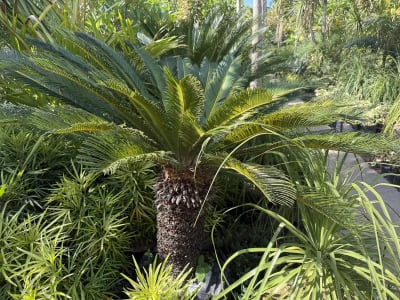
Cycas Revoluta
looks like: short palm-like plant with stiff dark green fronds, large reddish-orange seedswhere: indoor and outdoor ornamental, popular in florida, ca
Colchicum autumnale
looks like: pink/purple crocus-like flowers in autumn (real crocus blooms in spring — important distinction)where: lawns, meadows, ornamental gardens,
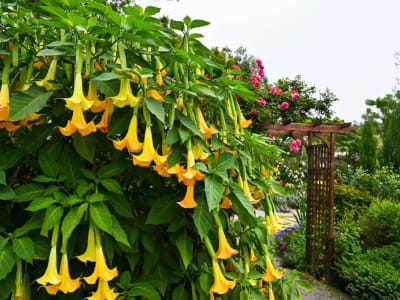
Brugmansia arborea
toxic part: all parts, especially seeds and flowerswhat happens: tropane alkaloids (scopolamine, atropine, hyoscyamine) cause severe hallucinations, h
Atropa belladonna
looks like: dark purple/black shiny berries (look like blueberries), bell-shaped purple-brown flowers, oval leaveswhere: woodland edges, abandoned gar
Cicuta maculata
different and even worse than poison hemlocklooks like: similar to poison hemlock, white umbrella flowers, but grows in wet areas (streams, marshes)wh
Conium maculatum
looks like: tall (6-10 ft) plant with feathery leaves, white umbrella-shaped flower clusters, purple-spotted stems (this is the key ID feature)where:
Aconitum napellus
Wolfsbanewhere: cottage gardens, shade gardens, wild in mountain regions across europe and north americatoxic part: ALL parts, including just touching
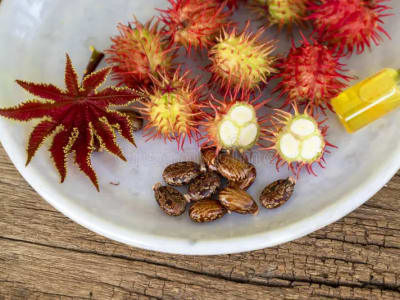
Ricinus communis
toxic part: the seeds (contain ricin, one of the most toxic substances known to nature)what happens: ricin shuts down protein synthesis in cells. just