Ice Cream Bean
Inga Edulis
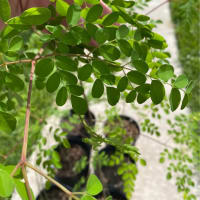
Inga edulis, commonly known as the Ice Cream Bean tree, is cherished for its sweet, edible pods that taste like vanilla ice cream. Native to tropical regions, this tree not only provides a unique treat but also enhances landscapes with its lush foliage and attractive flowers.
Everything it needs
9 essentials at a glance
Watering
Inga edulis prefers consistently moist soil, especially during its active growing season in spring and summer.
Water deeply once a week, allowing the top inch of soil to dry out between waterings. In the winter, reduce watering to every 10-14 days. Signs of over-watering include yellowing leaves and root rot, while under-watering may cause leaf drop and wilting.
Light
This tree thrives in full sun, requiring at least 6-8 hours of direct sunlight daily.
Ideal placement is in an open area where it can receive unobstructed light. While it can tolerate partial shade, too little light may hinder growth and flowering.
Soil
Inga edulis prefers well-draining, loamy soil with a pH range of 6.0 to 7.5.
A recommended potting mix includes a blend of peat moss, compost, and perlite to ensure proper drainage and aeration.
Humidity
This plant thrives in moderate to high humidity levels (50-70%).
To increase humidity, consider misting the leaves or placing a humidifier nearby. Signs of humidity stress include browning leaf tips and edges.
Temperature
Inga edulis prefers temperatures between 65-85°F (18-29°C) and is hardy in USDA zones 10-11.
It can tolerate brief periods of cooler temperatures but should be protected from frost.
Fertilizing
Use a balanced fertilizer with an NPK ratio of 10-10-10 during the growing season, applying every 4-6 weeks.
In the fall, switch to a low-nitrogen fertilizer to prepare the plant for dormancy. Signs of nutrient deficiency include yellowing leaves and stunted growth.
Pruning
Prune Inga edulis in late winter or early spring to shape the tree and remove any dead or damaged branches.
Use clean, sharp pruning shears for a clean cut. Regular deadheading of spent flowers can encourage more blooms.
Repotting
Repot Inga edulis every 2-3 years or when the roots outgrow the pot.
Signs it needs repotting include roots growing out of the drainage holes and stunted growth. Choose a pot 1-2 inches larger in diameter and follow the steps of gently removing the plant, loosening the roots, and placing it in fresh potting mix.
Propagation
Propagation can be done through seeds or cuttings.
For seeds, soak them in water for 24 hours before planting in a well-draining mix. For cuttings, take 6-8 inch stem cuttings in spring, dip them in rooting hormone, and plant them in a moist potting mix. Keep the cuttings in a warm, humid environment until roots develop.
When it's unhappy
Yellow leaves
Why it happens
Often caused by over-watering or nutrient deficiency.
How to fix it
Check soil moisture and adjust watering schedule. Fertilize with a balanced fertilizer if nutrient deficiency is suspected.
Root rot
Why it happens
Occurs due to poor drainage or over-watering.
How to fix it
Ensure proper drainage in the pot and reduce watering frequency. If root rot is severe, consider repotting with fresh soil.
Leaf drop
Why it happens
Can be caused by sudden temperature changes or under-watering.
How to fix it
Maintain consistent temperature and watering practices to prevent stress.
Browning leaf tips
Why it happens
Typically a sign of low humidity or over-fertilization.
How to fix it
Increase humidity around the plant and reduce fertilizer application.
Pests (aphids, spider mites)
Why it happens
Common pests that can infest the plant, especially in dry conditions.
How to fix it
Regularly inspect the plant and treat infestations with insecticidal soap or neem oil.
Care through the year
Spring
In spring, increase watering as the plant begins to actively grow. Fertilize every 4-6 weeks with a balanced fertilizer to support new growth.
Summer
During summer, ensure consistent moisture and monitor for pests. This is the peak growing season, so regular fertilization is essential.
Fall
In fall, gradually reduce watering as the plant prepares for dormancy. Switch to a low-nitrogen fertilizer to support root health.
Winter
In winter, water less frequently and protect the plant from frost. If indoors, ensure it receives enough light and humidity.
Toxicity & Safety
Inga edulis is considered non-toxic to pets and children. The seeds are edible and often consumed, but excessive consumption may lead to digestive upset.
Good to know
How often should I water my Inga edulis?
Water your Inga edulis once a week during the growing season, allowing the top inch of soil to dry out between waterings. In winter, reduce to every 10-14 days.
What type of soil is best for Ice Cream Bean?
Inga edulis thrives in well-draining loamy soil with a pH of 6.0 to 7.5. A mix of peat moss, compost, and perlite is ideal.
Can I grow Inga edulis indoors?
While it is possible to grow Inga edulis indoors, it requires ample sunlight and humidity. A south-facing window is ideal, but outdoor growth is preferred.
What are the signs of nutrient deficiency in Inga edulis?
Signs include yellowing leaves, stunted growth, and poor flowering. Regular fertilization during the growing season can help prevent deficiencies.
Is Inga edulis toxic to pets?
No, Inga edulis is non-toxic to both pets and children. The seeds are edible, but moderation is advised to avoid digestive issues.
When is the best time to prune my Ice Cream Bean tree?
The best time to prune Inga edulis is in late winter or early spring before new growth begins. This helps shape the tree and remove any dead branches.
How can I propagate Inga edulis?
You can propagate Inga edulis through seeds or stem cuttings. For seeds, soak them for 24 hours before planting. For cuttings, use 6-8 inch stems in a moist potting mix.
Grows well with
Related care guides
Explore remedies
Track this plant in your garden.
Set care reminders, log growth, and join a community of plant lovers.