Old Man's Beard
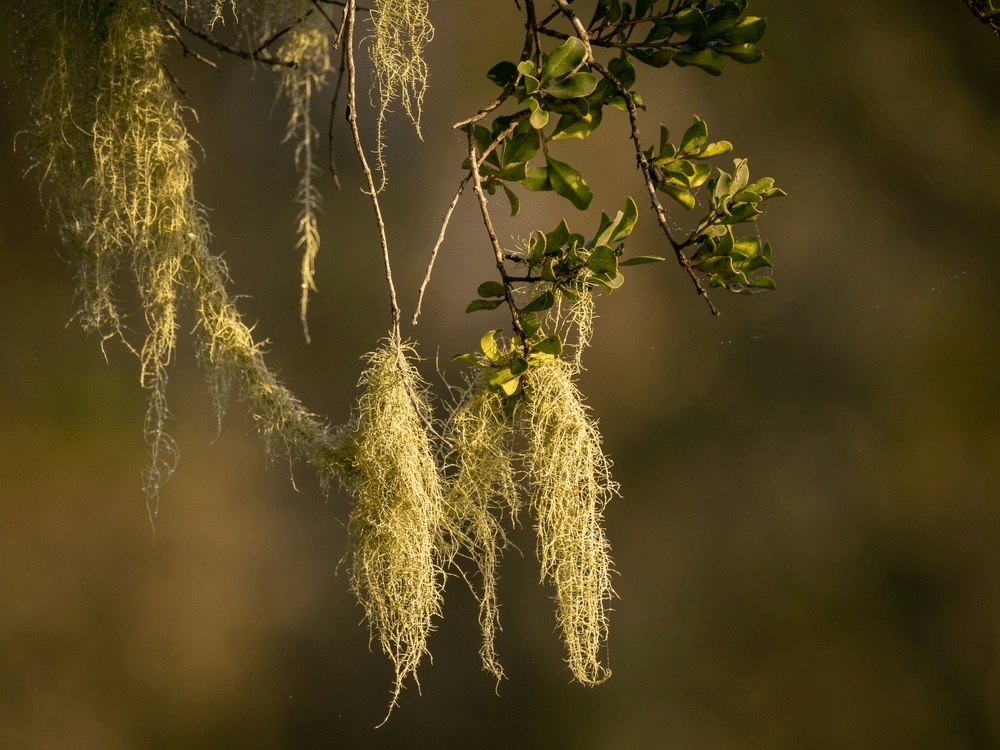
Description by @jominime
Usnea barbata isn't actually a plant. it's a lichen, which means it's a symbiotic organism made up of fungi and algae living together. it's one of the oldest medicinal organisms documented, appearing in the first Chinese herbal classic Shen Nong's Herbal, and in Perso-Arabic medicine centuries before that.
the main compound: usnic acid, disrupts bacterial cell membrane function and inhibits ATP formation and oxidative phosphorylation, without affecting human cells.
ram-positive bacteria are most sensitive. Staphylococcus aureus, Bacillus subtilis, Bacillus cereus, and Mycobacterium tuberculosis (including drug resistant tuberculosis) all respond to usnea extracts.
usnic acid exists in large quantities in low-polarity extracts and low concentration in high-polarity ones. meaning if you're making a water tea, you're getting the polysaccharide benefits but minimal usnic acid. ethanol or ethyl acetate extraction pulls the usnic acid out properly.
all dry extracts of U. barbata showed cytotoxic activity, with the ethyl acetate extract (highest usnic acid concentration) showing the highest cytotoxicity.
in TCM, usnea addresses the lung and liver meridians. in modern herbalism it's used for sinusitis, acute and chronic lung infections, and respiratory immune conditions.
keep doses low, because it may cause liver damage at high doses. around 6-9 grams.
Related Plants
Plant information is for educational purposes only.