Gentian
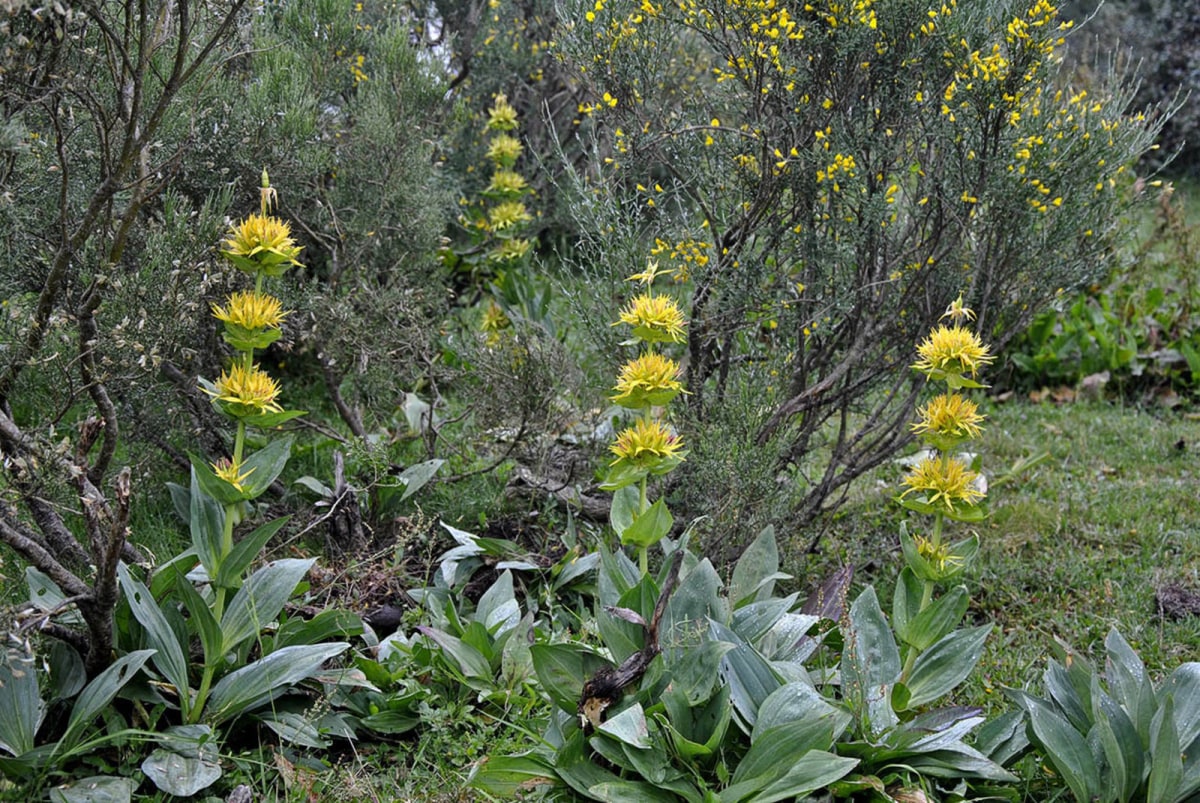
Description by @jominime
one of the most intensely bitter plants on earth (bitterness index 58m). used as the standard reference for measuring bitterness in chemistry.
also used to stimulate digestion, improve liver function, and increase appetite.
takes 5-10 years before producing harvestable medicinal root.
wild harvesting is illegal in many countries (Switzerland, France, Italy, Austria, Germany). only buy from sustainable cultivated sources
root is used in bitters, liqueurs, herbal preparations, too bitter to eat raw.
when you taste it, your bitter taste receptors signal your brain through the vagus nerve to immediately stimulate saliva, stomach acid, bile flow from your gallbladder, and pancreatic enzymes.
good for poor appetite (especially in elderly, post-illness recovery, eating disorders, anorexia), sluggish digestion, bloating after meals, indigestion, gas, slow stomach emptying, gallbladder dysfunction, and as a digestif after heavy meals.
protects liver cells from chemical damage and reduces liver inflammation. good for fatty liver disease, sluggish gallbladder, gallstones, alcoholic liver damage, post-meal heaviness after fatty food, and general liver detox support.
at low doses (a few drops of tincture before meals), gentian increases digestive juices to help digestion. but at higher doses, it actually PROTECTS the stomach lining from ulcers and reduces acid output.
also kills H. pylori. good for gastric ulcers, peptic ulcers, post-NSAID stomach damage, and H. pylori-related gastritis.
stimulates collagen production, accelerates skin cell division, kills wound bacteria, and reduces wound inflammation.
also boosts ceramide and lipid synthesis in your skin keratinocytes (the cells that build your skin barrier), which is why it helps heal damaged skin.
apply gentian root poultice (crushed dried root mixed with water or vinegar) topically to wounds, eczema, ulcers, burns, and slow-healing skin lesions.
good for slow-healing wounds, eczema, ulcers, boils, burns, post-surgical wounds, and chronic skin issues.
kills gram-positive bacteria (staph, strep), gram-negative bacteria (E. coli, Pseudomonas), yeasts (Candida), and tropical parasites (leishmania). also active against H. pylori (stomach ulcer bacteria). good for general antimicrobial support, candida overgrowth, gut dysbiosis, urinary tract infections, and as adjunct during infection recovery.
gentian helps with menstrual cramps and irregular periods through muscle relaxant activity. drink as tea or take as tincture starting 2-3 days before your period. mild emmenagogue activity (can help start a delayed period), so avoid during pregnancy.
lowers blood sugar through improved insulin sensitivity and slower carb digestion. also protects insulin-producing pancreatic cells.
gentian kills cervical, breast, and colorectal cancer cells in lab studies. amarogentin blocks topoisomerase I.
isogentisin specifically protects blood vessel walls from the damage caused by cigarette smoke.
useful for current smokers, ex-smokers, and people with secondhand smoke exposure.
treats heartburn, bloating, fever and muscle spasms.
gentian root used in combination with european elderflower, verbena, cowslip flower, and sorrel for treating symptoms of sinus infections.
Don’t confuse with the highly toxic white hellebore (Veratrum album), it’s a man made synthetic dye.
Related Plants
Plant information is for educational purposes only.