Prickly Water Lily
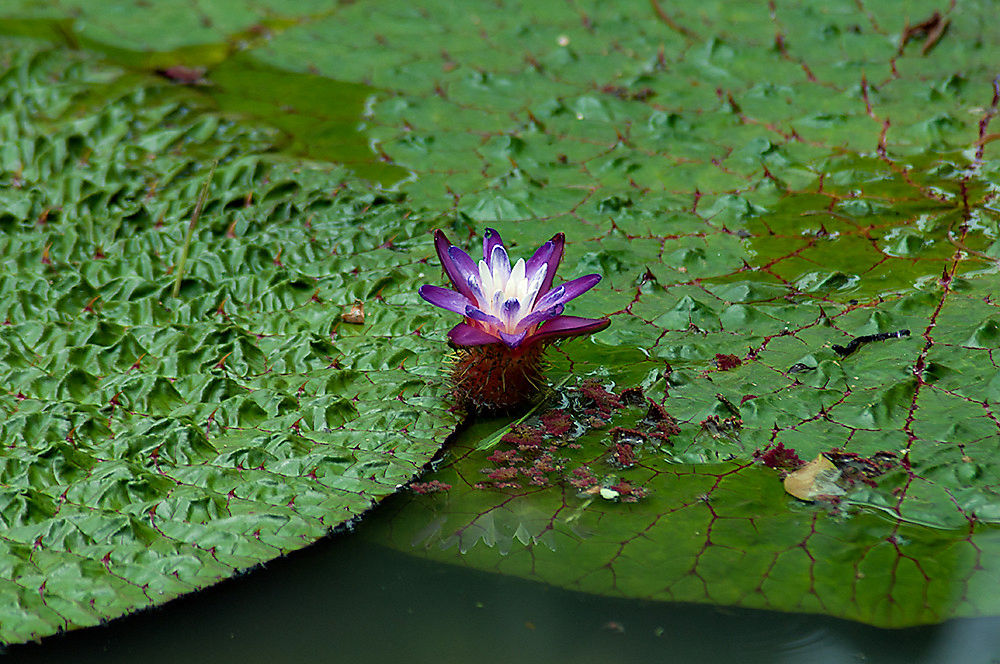
Description by @jominime
listed in Shennong's Herbal Classic as top-grade, non-toxic, and suitable for long-term consumption. in TCM it tonifies the kidney and essence, strengthens the spleen, alleviates diarrhea, and treats leucorrhea. the entire plant is used — seeds are primary, but the leaves, shells, rhizomes, and flowers all have documented applications.
the seeds contain polysaccharides, polyphenols, sesquineolignans, tocopherols, cyclic dipeptides, glucosylsterols, cerebrosides, and triterpenoids.
crude polysaccharides from E. ferox improved glucose uptake by insulin-resistant cells and induced insulin to reduce blood glucose. the active glucan decreased blood glucose via upregulation of GLUT-4 through the PI3K/Akt pathway. GLUT-4 upregulation through PI3K/Akt is the same pathway insulin itself uses to move glucose into cells — meaning the polysaccharide is mimicking a downstream effect of insulin signaling. histopathological examination of pancreas, liver, and kidney confirmed that diabetes-induced damage was reversed by the extract in animal models.
E. ferox seed could be used in the prevention of diabetic nephropathy.
diabetic nephropathy is the leading cause of kidney failure worldwide.
E. ferox seeds exert anti-aging, memory enhancement, and antidepressant properties through antioxidation, anti-inflammation, and neuroprotection mechanisms.
the extract activates AMPK-ULK1 — a pathway that regulates autophagy (cellular self-cleaning), the same pathway that rapamycin and caloric restriction work through for longevity.
protects against ischemia-reperfusion injury (the damage that happens when blood flow is restored to heart tissue after being cut off, which is actually when most of the damage during a heart attack occurs).
documented antimelanogenic activity — tyrosinase inhibition reducing melanin production, consistent with its use in TCM for skin-related conditions. Lactobacillus curvatus fermentation of E. ferox seed was shown to enhance bioactive components and reduce H₂O₂-induced oxidative stress in human skin fibroblasts.
You can pop the seeds like popcorn, though the popping process alters the chemical composition.
Related Plants
Plant information is for educational purposes only.