Haworthia cooperi
Haworthia cooperiUSDA | Grow Zone
10-11Outdoors all year in zones 10 to 11. Anywhere colder, keep it as a houseplant. Protect it below 40°F.
- Light
- Bright, indirect
- Water
- Every 2-3 weeks
- Humidity
- 30-50%
- Temperature
- 65-80°F
- Difficulty
- Beginner
- Growth
- Slow
- Mature size
- 4-6 in tall
- Pets
- Non-toxic to pets
Haworthia cooperi is a charming succulent known for its rosette shape and translucent leaves. Native to South Africa, it is a low-maintenance plant that thrives in bright, indirect light, making it a popular choice for indoor gardens.
Ask Vesper about Haworthia cooperi
Ideal temperature
50-80°F is where it grows fastest. Below 40°F cold damage starts.
Spacing and harvest
- Mature size
- 4-6 in tall
- Plant apart
- 6-12 in
- Frost
- Half hardy: light frost only
Everything it needs
9 essentials at a glance
Watering
Haworthia cooperi prefers to dry out between waterings, typically requiring water every 2-3 weeks during the growing season (spring and summer).
In fall and winter, reduce watering to once a month. Ensure the soil is completely dry before watering again. Signs of over-watering include mushy leaves and root rot, while under-watering may cause the leaves to wrinkle and shrivel.
Light
This plant thrives in bright, indirect light but can tolerate some direct sunlight.
Ideal placement is near a window with filtered light, receiving about 6 hours of light daily. It can also adapt to partial shade, but too little light may cause slow growth and leggy appearance.
Soil
Haworthia cooperi prefers well-draining soil, ideally a cactus or succulent mix with a pH range of 6.0 to 7.0.
Adding perlite or coarse sand can improve drainage. Ensure the pot has drainage holes to prevent water accumulation.
Humidity
This succulent prefers low humidity levels, ideally around 30-50%.
To increase humidity, you can place a humidifier nearby or group it with other plants. Signs of humidity stress include browning leaf tips and wilting.
Temperature
Haworthia cooperi thrives in temperatures between 65-80°F (18-27°C) and can tolerate temperatures as low as 50°F (10°C) during winter.
It is suitable for USDA hardiness zones 10-11. Avoid exposing it to frost or extreme heat.
Fertilizing
Use a balanced, diluted liquid fertilizer with an NPK ratio of 10-10-10 during the growing season, every 4-6 weeks.
In fall and winter, refrain from fertilizing. Signs of nutrient deficiency include yellowing leaves and stunted growth.
Pruning
Pruning is minimal for Haworthia cooperi.
Remove any dead or damaged leaves at the base using clean scissors or pruning shears. This helps maintain the plant's appearance and health. Deadheading is not necessary.
Repotting
Repot every 2-3 years or when the plant outgrows its pot, indicated by roots growing out of the drainage holes.
Choose a pot one size larger with drainage holes. Gently remove the plant from its pot, trim any damaged roots, and place it in fresh soil. Water lightly after repotting.
Propagation
Propagation can be done through offsets or leaf cuttings.
For offsets, gently separate them from the parent plant and allow them to dry for a few days before planting in well-draining soil. For leaf cuttings, cut a healthy leaf, let it callous for a few days, then place it in soil. The best time for propagation is during the spring or early summer.
When it's unhappy
Yellow leaves
Why it happens
Usually caused by over-watering or poor drainage.
How to fix it
Allow the soil to dry out completely and ensure proper drainage.
Wrinkled leaves
Why it happens
Indicates under-watering or insufficient humidity.
How to fix it
Increase watering frequency and check humidity levels.
Brown leaf tips
Why it happens
Often due to low humidity or exposure to direct sunlight.
How to fix it
Increase humidity or move the plant to a location with filtered light.
Root rot
Why it happens
Caused by over-watering and poorly draining soil.
How to fix it
Remove the plant from the pot, trim away rotten roots, and repot in fresh, dry soil.
Leggy growth
Why it happens
Occurs from insufficient light.
How to fix it
Move the plant to a brighter location with indirect light.
Care through the year
Spring
In spring, resume regular watering and fertilizing as the plant enters its growing season. Monitor for new growth and adjust care as needed.
Summer
During summer, ensure the plant receives bright, indirect light and water every 2-3 weeks. Keep an eye out for pests like mealybugs.
Fall
In fall, gradually reduce watering frequency as the plant prepares for dormancy. Stop fertilizing and ensure it is not exposed to cold drafts.
Winter
In winter, limit watering to once a month and keep the plant in a warm location away from frost. Avoid fertilizing during this dormant period.
Toxicity & Safety
Haworthia cooperi is non-toxic to pets (cats and dogs) and children. However, ingestion of large quantities may cause mild stomach upset.
Good to know
How often should I water my Haworthia cooperi?
Water your Haworthia cooperi every 2-3 weeks during the growing season, allowing the soil to dry out completely between waterings.
Why are my Haworthia cooperi leaves turning yellow?
Yellow leaves are typically a sign of over-watering or poor drainage. Ensure the soil dries out completely before watering again.
What type of soil is best for Haworthia cooperi?
A well-draining cactus or succulent mix is ideal for Haworthia cooperi, with added perlite or coarse sand to enhance drainage.
Can I propagate my Haworthia cooperi?
Yes, you can propagate Haworthia cooperi through offsets or leaf cuttings, ideally during the spring or early summer.
What temperature does Haworthia cooperi prefer?
Haworthia cooperi thrives in temperatures between 65-80°F (18-27°C) and can tolerate temperatures as low as 50°F (10°C).
How do I know when to repot my Haworthia cooperi?
Repot your Haworthia cooperi every 2-3 years or when roots grow out of the drainage holes, indicating it has outgrown its pot.
Is Haworthia cooperi toxic to pets?
No, Haworthia cooperi is non-toxic to pets and children, making it a safe choice for households.
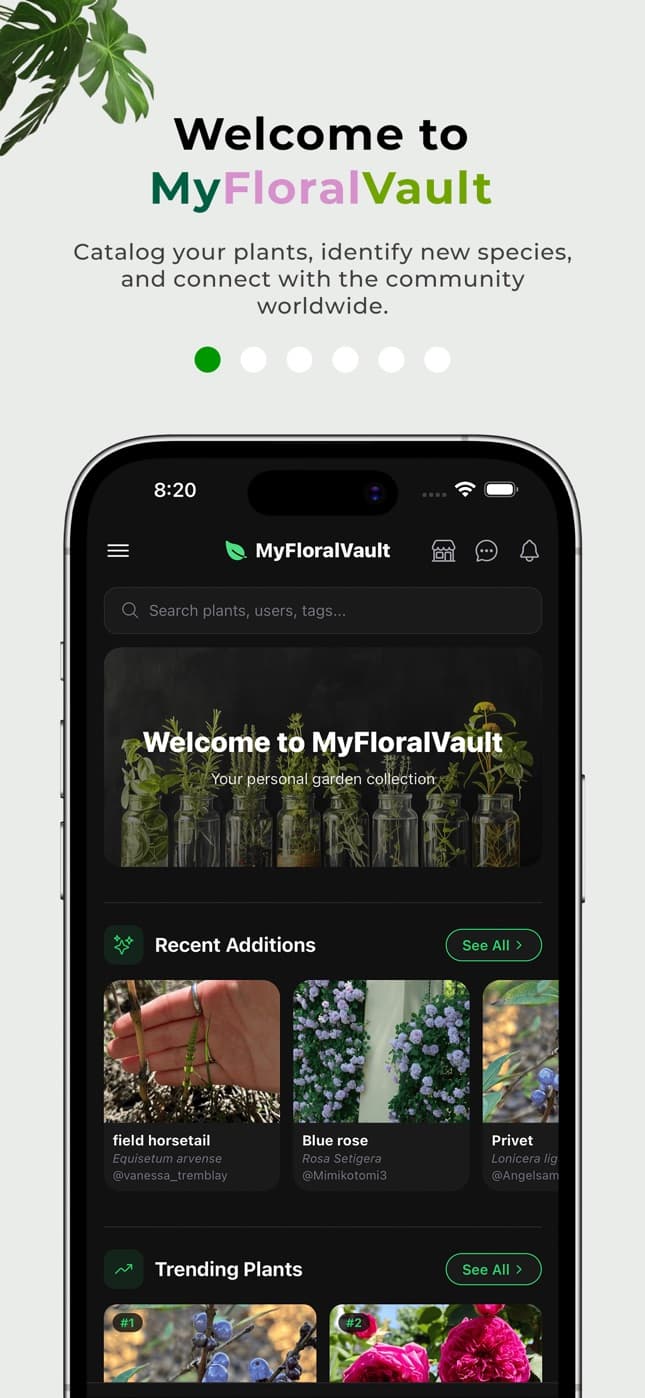
Track this plant in your garden.
Set care reminders, log growth, and join a community of plant lovers.