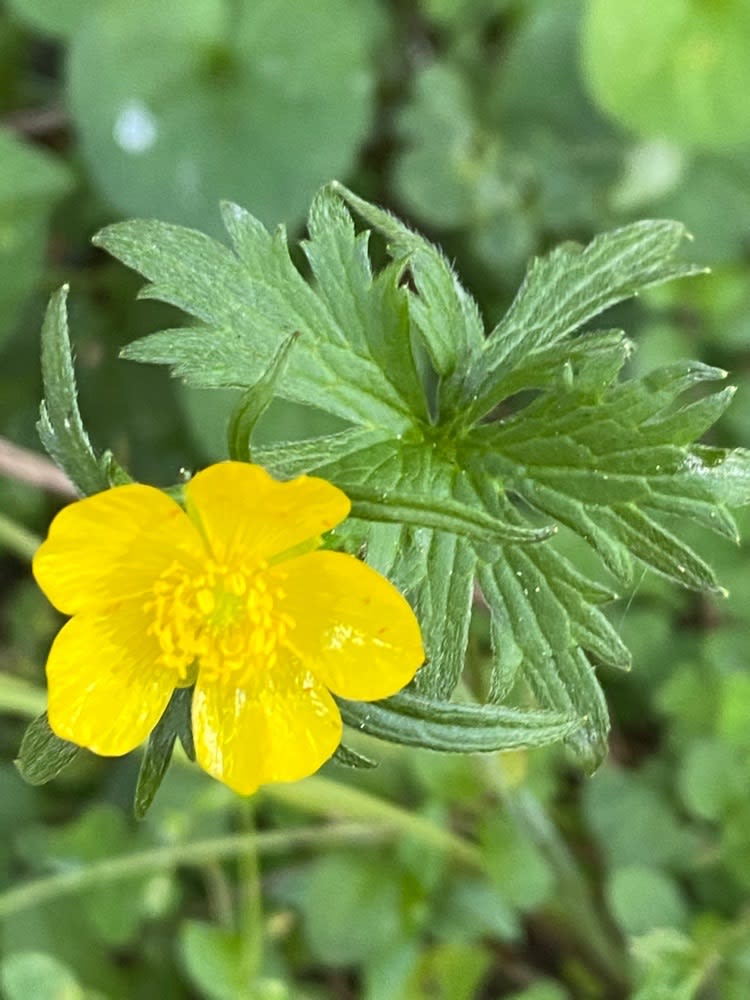
Meadow Buttercup
Ranunculus Acris
Medicinal Facts
Ranunculus acris, commonly known as Meadow Buttercup, is rich in the active compound protoanemonin, a volatile lactone with significant antimicrobial properties. This plant is situated at the intersection of traditional European herbalism, where it has been used for its counterirritant and antimicrobial effects, and modern pharmacognosy, which investigates its biochemical pathways and potential therapeutic applications. The plant's traditional use as a topical remedy for rheumatic pain and skin conditions is supported by protoanemonin's ability to interfere with microbial cell walls and inflammatory pathways.
What it helps with
Antimicrobial activity
Protoanemonin is known to exert antimicrobial effects by disrupting microbial cell membranes and inhibiting the growth of bacteria and fungi. It acts by forming covalent bonds with thiol groups in microbial proteins, leading to cellular dysfunction. Evidence is primarily from in vitro studies, highlighting its potential against common pathogens.
Rheumatic pain
Traditionally, Ranunculus acris has been used as a counterirritant for rheumatic pain. Protoanemonin may contribute to this effect by modulating inflammatory pathways, possibly through the inhibition of cyclooxygenase enzymes (COX-1 and COX-2), although direct evidence is limited to traditional use and anecdotal reports.
Skin conditions
The plant has been used topically for skin conditions such as warts and eczema. Protoanemonin's ability to disrupt keratinocyte proliferation and its antimicrobial properties are thought to underlie these effects. However, its use is cautioned due to potential skin irritation.
Wound healing
Ranunculus acris may support wound healing through its antimicrobial action and potential to modulate local inflammation. Protoanemonin's role in inhibiting microbial colonization at wound sites has been observed in vitro, though human trials are lacking.
Anti-inflammatory potential
Protoanemonin may exert anti-inflammatory effects by inhibiting the NF-kB pathway, which is a key regulator of inflammation. This action could reduce the expression of pro-inflammatory cytokines, although evidence is primarily from preclinical studies.
Digestive issues
In traditional practices, the plant has been used to address digestive issues, potentially due to its antimicrobial properties that may help balance gut flora. However, the specific mechanisms and efficacy in human digestion remain poorly studied.
Respiratory health
Ranunculus acris has been used in traditional medicine for respiratory conditions, possibly due to its antimicrobial and mild anti-inflammatory properties. Protoanemonin may help by reducing microbial load and inflammation in the respiratory tract, though clinical evidence is sparse.
Key active compounds
Protoanemonin
A volatile lactone with significant antimicrobial properties. It disrupts microbial cell membranes and forms covalent bonds with thiol groups in proteins, leading to cellular dysfunction. It is unstable and can convert to anemonin, which is less active.
Anemonin
A dimer of protoanemonin, formed upon its polymerization. It is less potent than protoanemonin but may still contribute to the plant's overall bioactivity.
Flavonoids
Present in small amounts, these compounds may contribute to the plant's antioxidant and anti-inflammatory effects by modulating signaling pathways such as NF-kB.
Saponins
These compounds may enhance the plant's antimicrobial and anti-inflammatory properties by disrupting microbial membranes and modulating immune responses.
Tannins
Contribute to the astringent properties of the plant, which may help in wound healing and reducing inflammation by precipitating proteins and forming protective layers on tissues.
Alkaloids
Minor constituents that may contribute to the plant's pharmacological effects, potentially affecting neurotransmitter systems or enzyme activity.
What the research says
Research on Ranunculus acris is primarily focused on its antimicrobial properties, with protoanemonin being the most studied compound. In vitro studies demonstrate significant activity against a range of bacterial and fungal pathogens, highlighting its potential as a natural antimicrobial agent. However, human trials are lacking, and most evidence remains preclinical. The main limitation of using Ranunculus acris is the potential for skin irritation and the instability of protoanemonin, which rapidly converts to the less active anemonin. This instability is addressed by using fresh plant material or stabilizing formulations in research settings.
Typical dosage
Due to its potential toxicity, Meadow Buttercup is not recommended for internal use. For external applications, such as a poultice, the fresh plant can be crushed and applied directly to the skin, but only for short periods and with caution to avoid irritation. It is crucial to perform a patch test before broader application. There are no standardized dosages due to the plant's toxic nature.
About Meadow Buttercup
Traditional Use
Preparations & Dosage
Preparations
- Poultice: Crush fresh Meadow Buttercup leaves and flowers to release the juices. Apply the crushed plant material directly to the affected area. Cover with a clean cloth or bandage. Leave in place for a short duration, no longer than 15 minutes, to avoid skin irritation.
Interactions & Warnings
Use with caution
Ranunculus acris, or Meadow Buttercup, contains toxic compounds that can cause skin irritation and blistering upon contact. It should not be ingested due to its potential toxicity. Individuals with sensitive skin or allergies should avoid handling this plant.
Herb Interactions
May increase skin sensitivity when used together, leading to enhanced irritation or blistering.
Community Plants
Real plants of this species grown and shared by the MyFloralVault community.

More in Skin & Wound Care


Was this helpful?
0 · 0