Tomato yellow leaf curl virus
Tomato yellow leaf curl virus (TYLCV) is a viral disease affecting tomato plants, characterized by yellowing and curling of leaves, stunted growth, and reduced fruit yield. It is transmitted by the whitefly vector, Bemisia tabaci.
About this problem
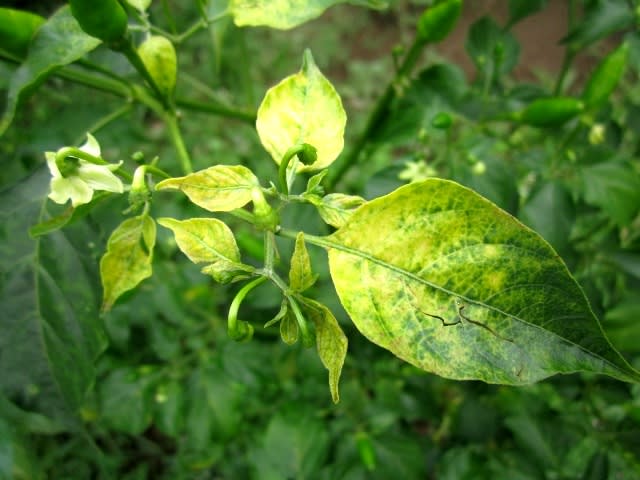
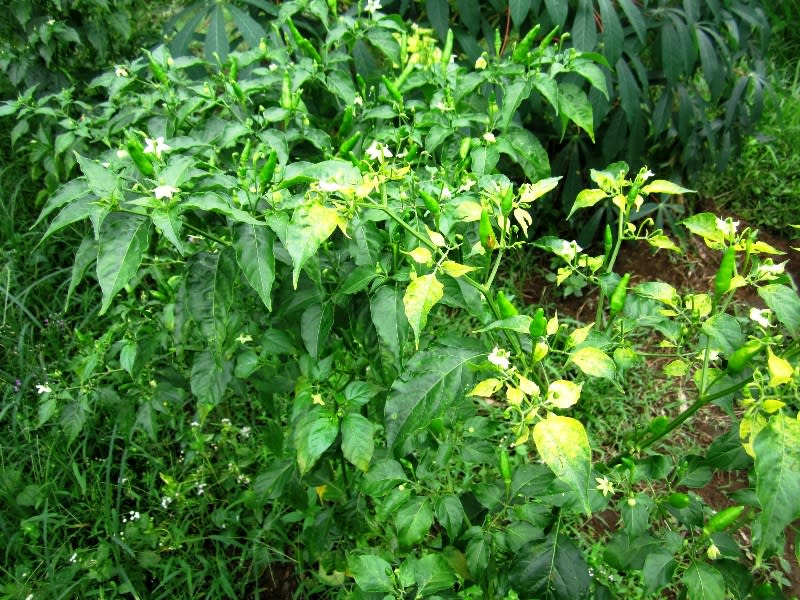
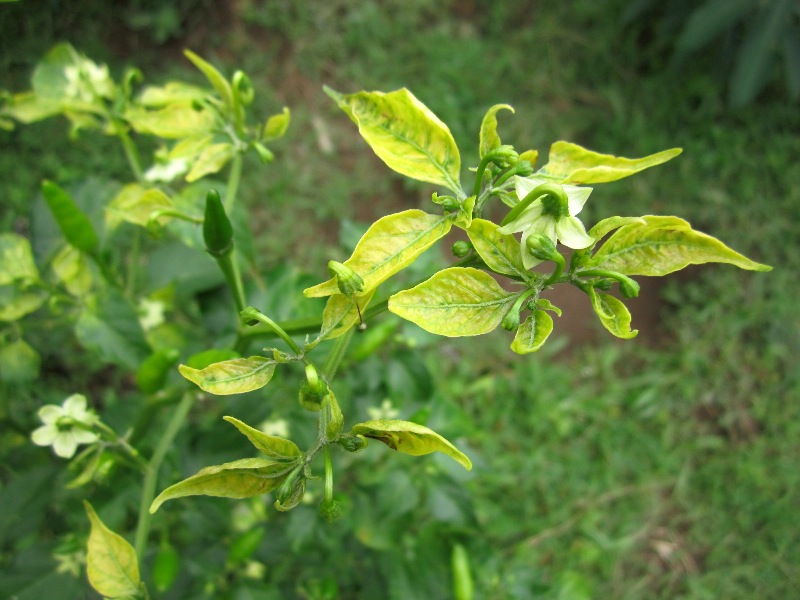
Tomato yellow leaf curl virus (TYLCV) is a significant viral pathogen of tomato plants, caused by a virus in the Begomovirus genus. The virus primarily affects the leaves, causing them to yellow and curl, which can severely impact the plant's ability to photosynthesize effectively. Over time, infected plants exhibit stunted growth and reduced fruit yield, making it a serious concern for tomato growers. The virus is transmitted by the whitefly, Bemisia tabaci, which acts as a vector, spreading the disease from plant to plant. Once a plant is infected, the virus replicates within the plant cells, leading to the characteristic symptoms. The disease is often confused with nutrient deficiencies or other viral infections, but the distinctive leaf curling and yellowing are key indicators of TYLCV. Management of TYLCV involves controlling the whitefly population and using resistant tomato varieties. Cultural practices such as removing infected plants and maintaining good sanitation can help reduce the spread of the virus. However, once a plant is infected, there is no cure, and management focuses on prevention and control of the vector.
Symptoms
- Yellowing of leaves
- Curling of leaves
- Stunted growth
- Reduced fruit yield
- Distorted leaf appearance
Cause
Tomato yellow leaf curl virus is caused by a Begomovirus, transmitted by the whitefly Bemisia tabaci. Warm temperatures and high whitefly populations favor the spread of the virus.
Conditions that favour it
- Warm temperatures
- High whitefly populations
- Dense plantings
- Poor air circulation
- Lack of resistant varieties
Lifecycle and spread
The virus spreads through the feeding activity of whiteflies, which acquire the virus from infected plants and transmit it to healthy ones. It does not overwinter in the soil but persists in living host plants and whiteflies. Breaking the cycle involves controlling whitefly populations and removing infected plants.
Plants most affected
- Tomato
- Pepper
- Eggplant
- Tobacco
- Bean
- Cucumber
- Squash
- Melon
- Potato
- Soybean
Treatment
Educational information only, and not a substitute for professional diagnosis. Identify the problem before treating it, and check that any product is registered for this plant and this use where you live.
Cultural control
- Remove and destroy infected plants
- Use resistant tomato varieties
- Implement crop rotation
- Increase plant spacing for better air circulation
- Maintain good field sanitation
Organic options
- Neem oil for whitefly control
- Insecticidal soap to reduce whitefly populations
- Horticultural oils to disrupt whitefly feeding
Chemical options
- Imidacloprid Used for controlling whitefly vectors
- Thiamethoxam Applied to manage whitefly populations
Read and follow the product label. The label is the legally binding instruction. Confirm the product is registered for this plant and for this use in your area before applying it.
Prevention
- Use virus-free seedlings
- Install insect-proof screens in greenhouses
- Monitor and control whitefly populations
- Implement reflective mulches to deter whiteflies
- Practice good field sanitation