Tomato spotted wilt virus
Tomato spotted wilt virus (TSWV) is a significant viral disease affecting a wide range of plants, including tomatoes. It is characterized by distinctive ring spots, wilting, and stunted growth, leading to reduced yield and quality.
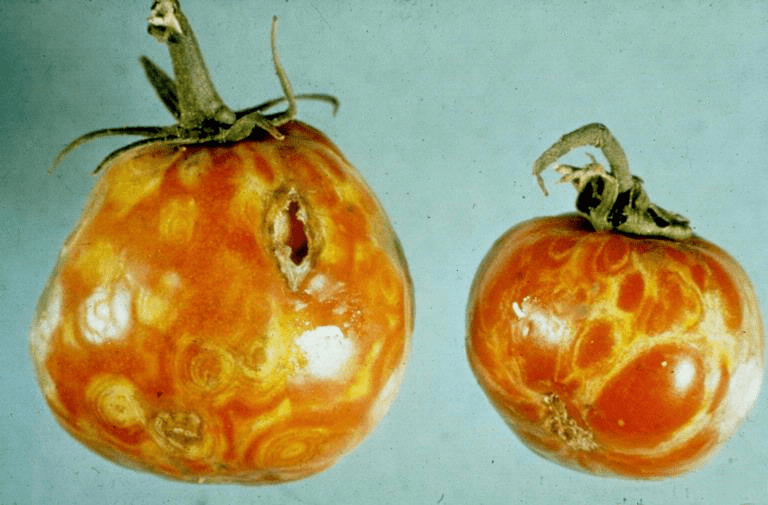
About this problem
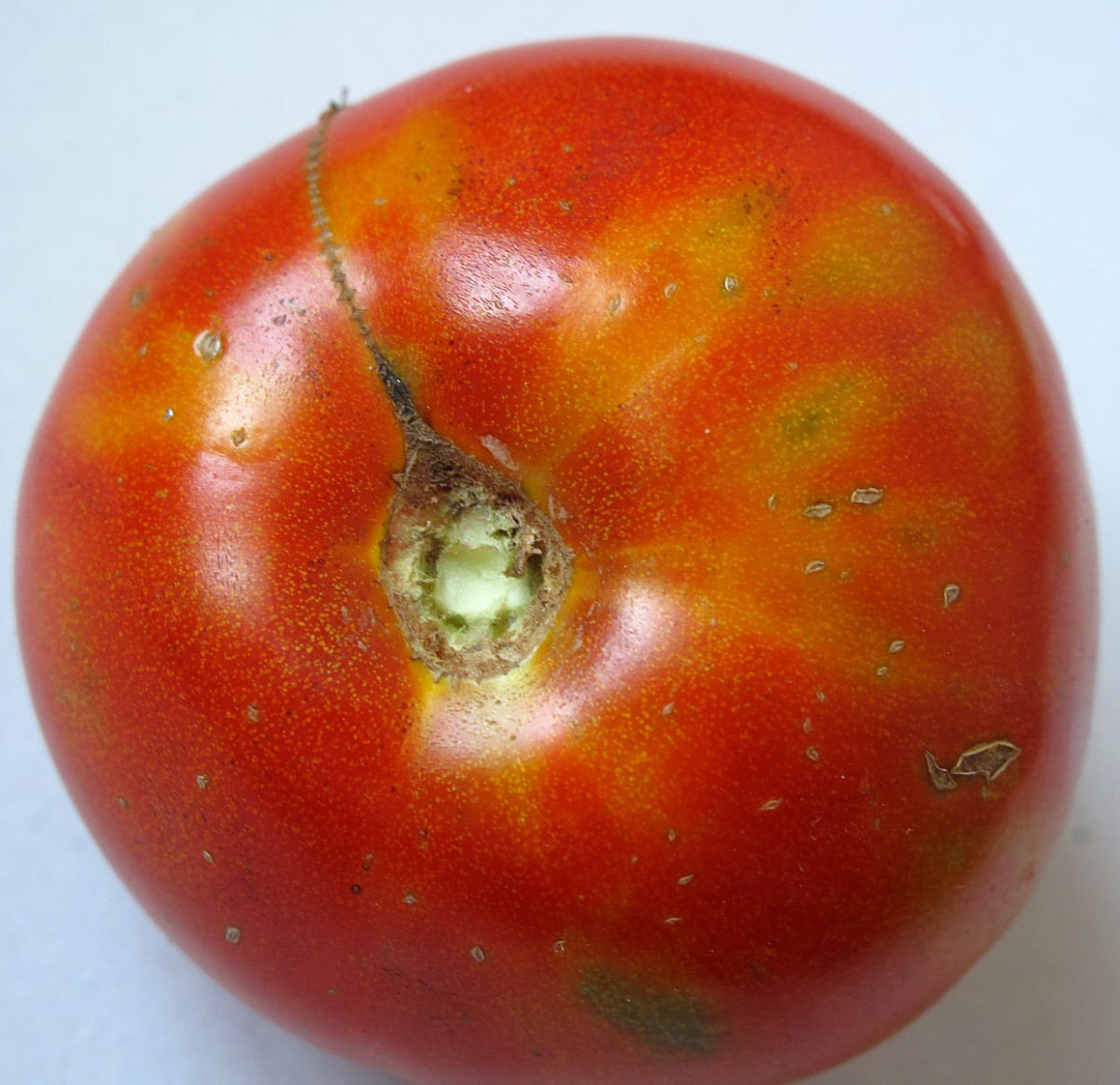
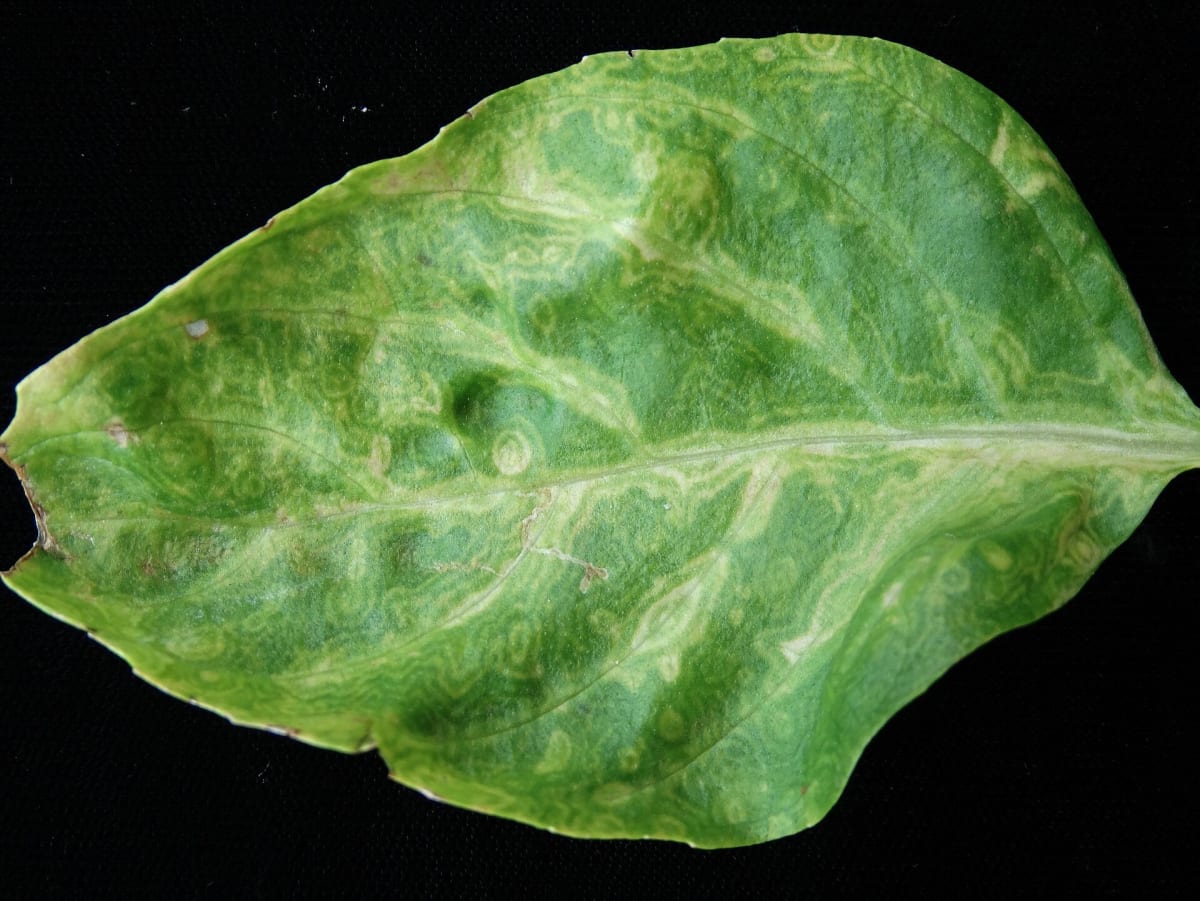
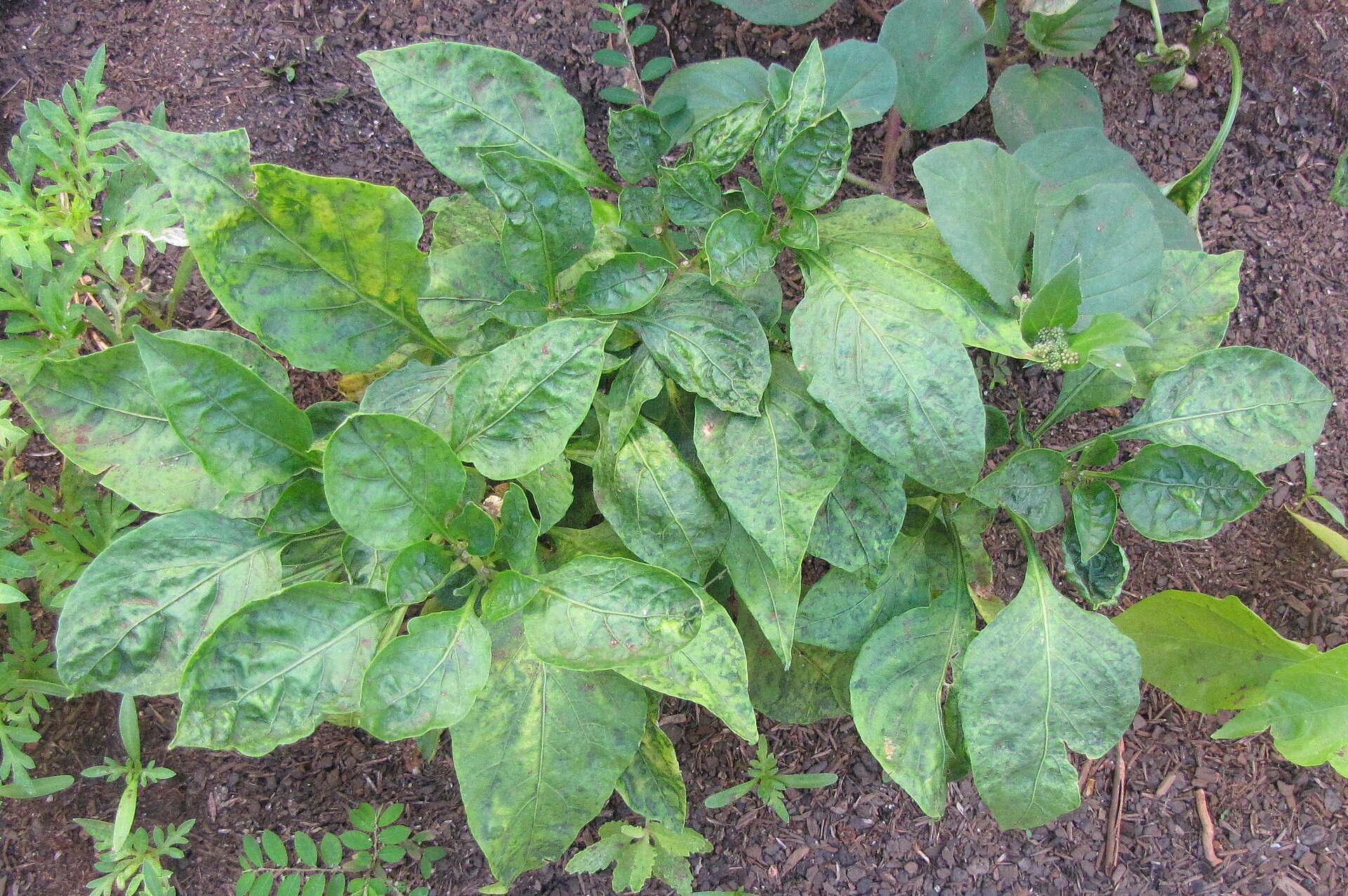
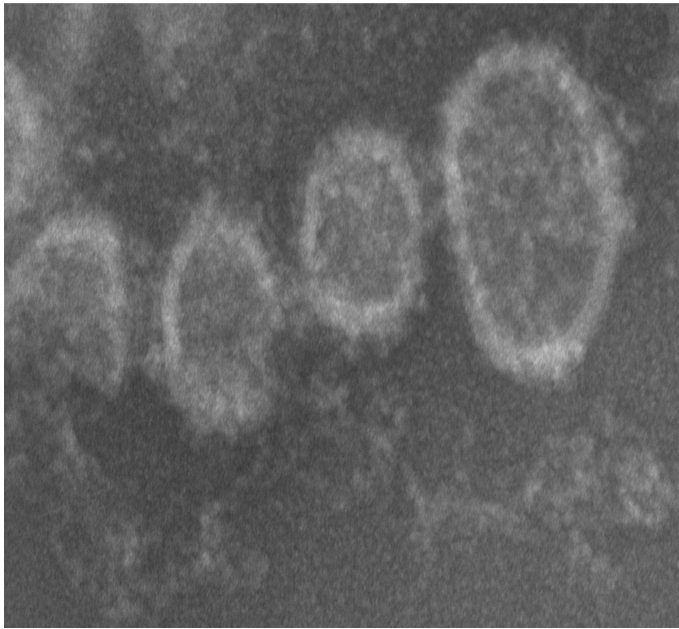
Tomato spotted wilt virus (TSWV) is caused by the Orthotospovirus and is transmitted primarily by thrips. This virus is notorious for its wide host range, affecting over 1,000 plant species, including many economically important crops. The virus attacks the plant by entering the cells and hijacking the plant's machinery to replicate itself, leading to systemic infection. Initially, growers may notice small, necrotic spots on the leaves, which can develop into larger ring spots. As the disease progresses, plants may exhibit wilting, stunted growth, and reduced fruit quality. TSWV can be confused with other viral diseases, such as tomato mosaic virus, but the presence of ring spots is a distinguishing feature.
Symptoms
- Ring spots on leaves
- Wilting of plants
- Stunted growth
- Necrotic spots on leaves
- Reduced fruit quality
- Leaf curling
Cause
Tomato spotted wilt virus is caused by the Orthotospovirus, primarily spread by thrips. The virus thrives in environments where thrips populations are high, often due to warm temperatures and abundant host plants.
Conditions that favour it
- High thrips population
- Warm temperatures
- Presence of susceptible host plants
- Poorly managed weeds
- Lack of crop rotation
Lifecycle and spread
TSWV is spread by thrips, which acquire the virus by feeding on infected plants and transmit it to healthy plants. The virus overwinters in perennial host plants and weeds. Breaking the cycle involves controlling thrips populations and removing infected plants.
Plants most affected
- Tomato
- Pepper
- Eggplant
- Lettuce
- Potato
- Peanut
- Tobacco
- Chrysanthemum
- Dahlia
- Petunia
Treatment
Educational information only, and not a substitute for professional diagnosis. Identify the problem before treating it, and check that any product is registered for this plant and this use where you live.
Cultural control
- Remove and destroy infected plants
- Implement crop rotation
- Maintain proper plant spacing
- Control weeds
- Increase airflow around plants
Organic options
- Neem oil
- Insecticidal soap
- Horticultural oil
Chemical options
- Spinosad For thrips control
- Imidacloprid For thrips control
Read and follow the product label. The label is the legally binding instruction. Confirm the product is registered for this plant and for this use in your area before applying it.
Prevention
- Monitor and control thrips populations
- Use resistant plant varieties
- Implement strict sanitation practices
- Remove weeds and alternate hosts
- Use reflective mulches to deter thrips