Tomato mosaic virus
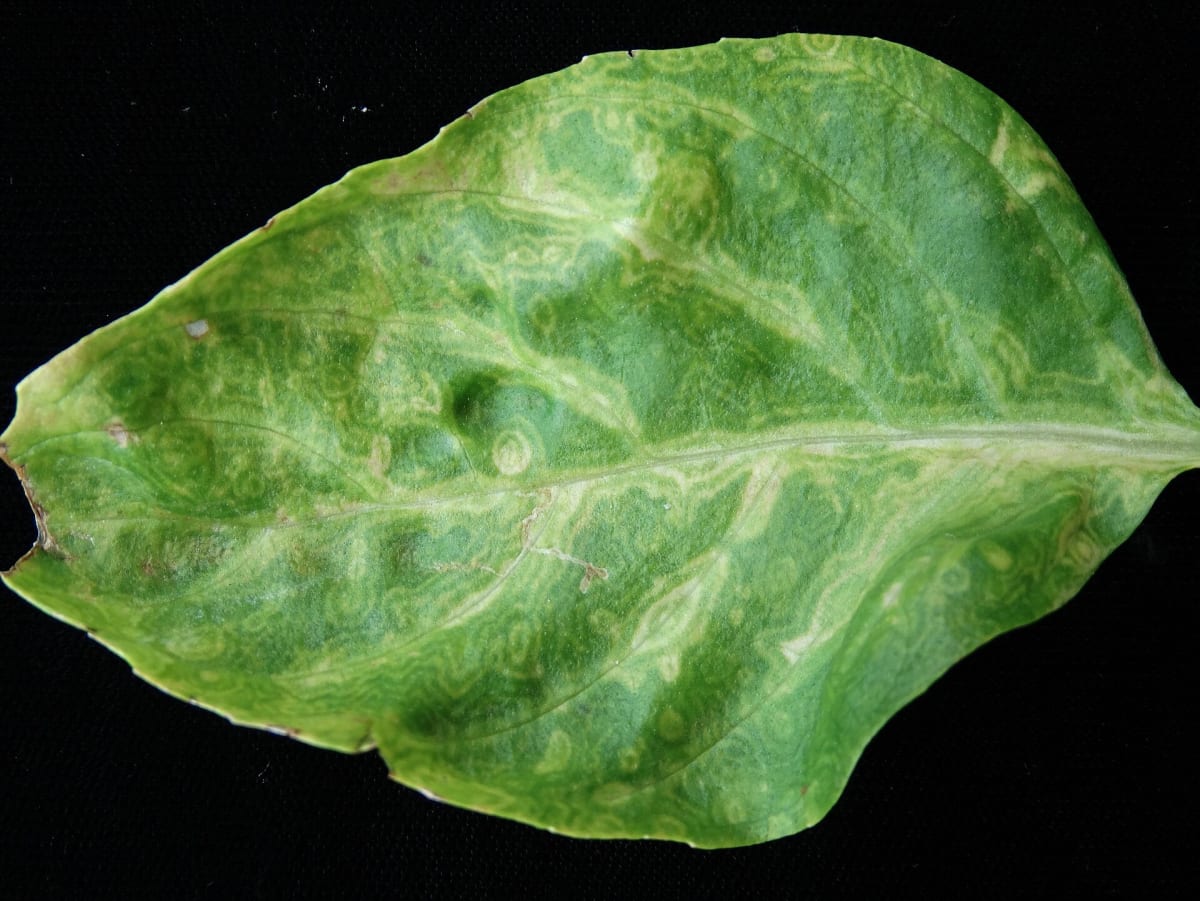
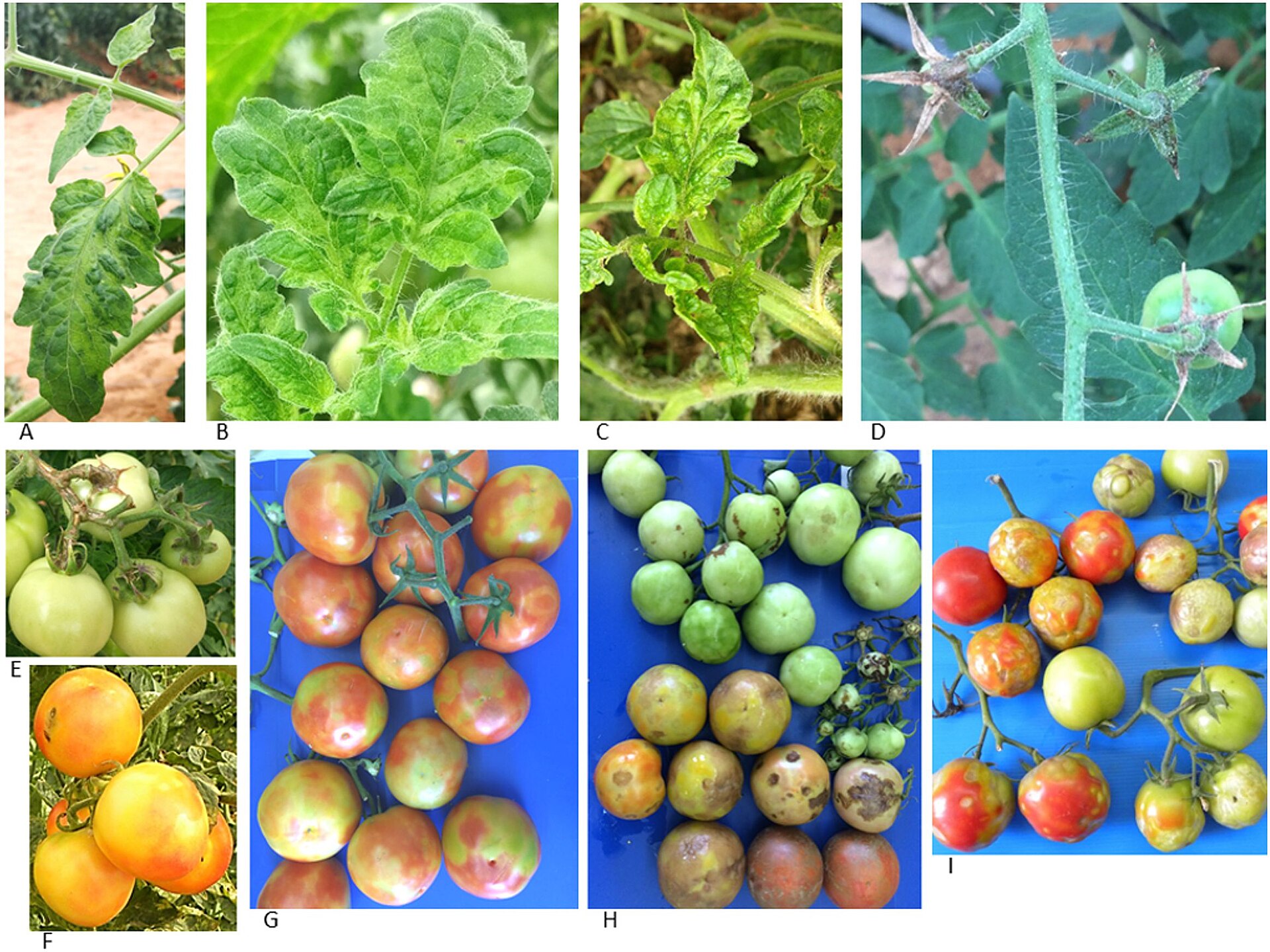
Tomato mosaic virus (ToMV) is a viral disease affecting tomatoes, causing distinctive mosaic patterns on leaves, stunted growth, and reduced yield. Infected plants exhibit mottled, distorted leaves and may show yellowing or curling.

About this problem
Tomato mosaic virus is a member of the Tobamovirus genus and is known for causing significant damage to tomato crops. The virus is transmitted mechanically through contaminated tools, hands, or plant debris. Once a plant is infected, the virus disrupts normal cell function, leading to the characteristic symptoms. Initially, growers may notice a mosaic or mottled pattern on the leaves, which can progress to leaf curling and distortion. Over time, the plant's growth may become stunted, and fruit production can be severely affected. Tomato mosaic virus is often confused with tobacco mosaic virus, as they share similar symptoms, but they are distinct viruses requiring different management strategies.
Symptoms
- Mosaic or mottled pattern on leaves
- Curled or distorted leaves
- Yellowing of leaves
- Stunted growth
- Reduced fruit yield
Cause
Tomato mosaic virus is caused by the Tobamovirus, which spreads through mechanical means such as contaminated tools, hands, or plant debris. The virus can persist in soil and plant material, making sanitation crucial.
Conditions that favour it
- Poor sanitation practices
- Use of contaminated tools
- Presence of infected plant debris
- High humidity
- Dense planting
Lifecycle and spread
The virus spreads primarily through mechanical transmission. It can survive in plant debris and soil for extended periods. Breaking the cycle involves removing infected plants and debris, and practicing good sanitation.
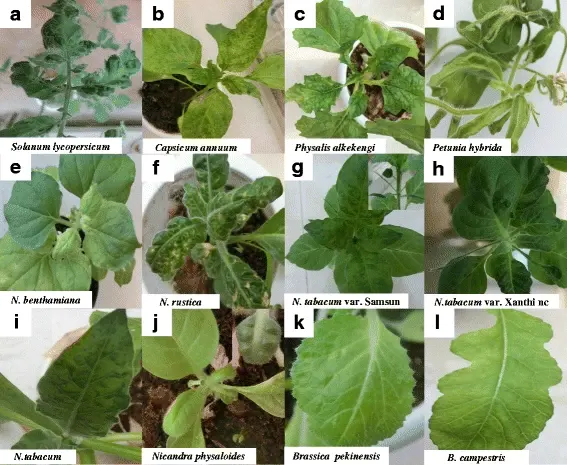
Plants most affected
- Tomato
- Pepper
- Tobacco
- Petunia
- Snapdragon
- Geranium
- Marigold
- Cucumber
- Eggplant
- Potato
Treatment
Educational information only, and not a substitute for professional diagnosis. Identify the problem before treating it, and check that any product is registered for this plant and this use where you live.
Cultural control
- Remove and destroy infected plants
- Sanitize tools regularly
- Avoid working with wet plants
- Increase plant spacing for better airflow
- Rotate crops to non-host species
Organic options
- Neem oil for general plant health
- Compost tea to boost plant immunity
- Horticultural oils for surface sanitation
Chemical options
- Copper-based fungicides Used for surface sanitation and to reduce viral spread
Read and follow the product label. The label is the legally binding instruction. Confirm the product is registered for this plant and for this use in your area before applying it.
Prevention
- Use virus-free seeds and transplants
- Implement strict sanitation measures
- Rotate crops regularly
- Control weeds that may harbor the virus
- Avoid tobacco use near plants